Minnesota Brings Affordable Solar Power to Renters
Minnesota could become the next state to legalize plug-in solar panels that cost hundreds instead of thousands and work for renters. The simple devices could cut electricity bills by up to 25% without needing an electrician or utility approval.
Minnesotans might soon slash their electric bills with a solar panel as easy to install as plugging in a toaster.
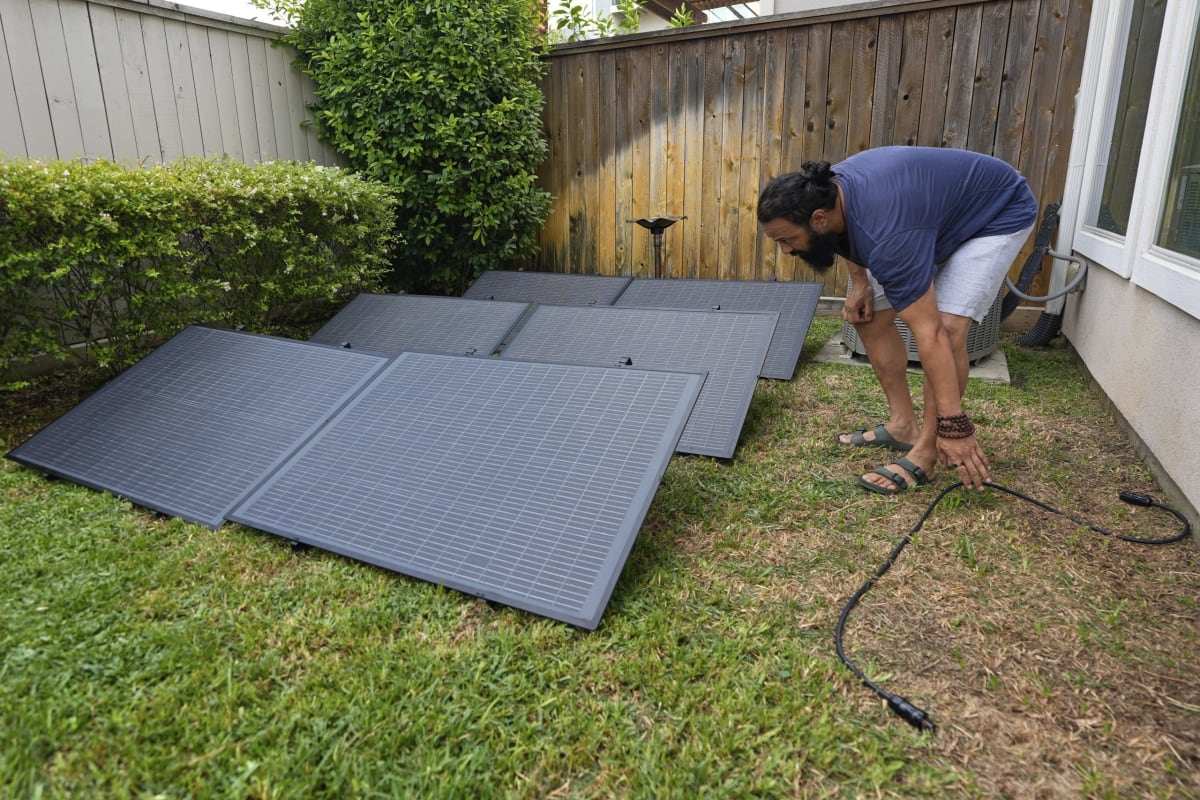
A new bill working through the state legislature would legalize plug-in solar devices, sometimes called balcony solar. Unlike rooftop arrays that cost tens of thousands of dollars, these compact units range from the high hundreds to low thousands and require no professional installation.
The best part? Renters can use them too.
"Solar is expensive," said Sen. Rob Kupec, who authored the bill. "This is a much more low-cost option for people to get in on and save a little money on their electric bill."
The devices can reduce a home's energy use by 5% to 25%, translating to monthly savings between $35 and $55. Rep. Larry Kraft, who introduced the House version, highlighted the dramatically lower upfront costs compared to traditional solar.
Minnesota joins dozens of states pursuing plug-in solar after Utah became the first to approve regulations in 2025 with unanimous bipartisan support. The goal is making renewable energy accessible to everyone, not just homeowners with suitable roofs.
Kupec's own home has three roof peaks that make traditional solar installation difficult. But a south-facing wall at ground level would be perfect for a plug-in panel.
The legislation caps units at 1,200 watts, about the same as a household blender. "So we're not talking about a lot of wattage here," said Patty O'Keefe from Vote Solar.
Safety concerns have sparked some pushback. Utilities in other states worried about workers facing live wires during outages, but Minnesota's bill requires automatic shutoffs. The devices must meet Underwriters Laboratories standards, which recently released UL 3700 specifications for plug-in solar safety.
"As long as people are buying UL equipment and staying under the 1,200-watt limit, I'm in favor of the plug-it-in approach," said John Goeke, a Duluth electrician specializing in solar.
Unlike rooftop arrays that can generate excess power flowing back to the grid, plug-in units simply offset a portion of what homes draw from utilities. They provide power rather than produce surplus, making them fundamentally different from systems requiring utility interconnection agreements.
The Ripple Effect
The simplicity changes everything about who can access solar power. Apartment dwellers, people with unsuitable roofs, and anyone without thousands for upfront costs can now participate in clean energy. Germany has already embraced the technology, and advocates see it spreading across America as states recognize the potential.
Minnesota's Department of Labor confirmed no electric code changes are needed if devices meet UL standards, clearing a major hurdle for the legislation.
Affordable solar power for everyone might be just one legislative session away.
More Images
Based on reporting by Google News - Clean Energy
This story was written by BrightWire based on verified news reports.
Spread the positivity!
Share this good news with someone who needs it