Minnesota Copter Crew Saves Stranded Canoeists in First
Two canoeists trapped in frigid waters were hoisted to safety in a bold nighttime helicopter rescue that marks a major milestone for Minnesota's air rescue team. Both paddlers made it out uninjured after strong currents left them stranded without gear or warm clothes.
When a canoe capsized in the Boundary Waters Canoe Area Wilderness on a cold May evening, two Minnesota paddlers found themselves in serious trouble. Soaked, stranded, and missing most of their gear as temperatures dropped toward freezing, they had little more than a cellphone and hope.
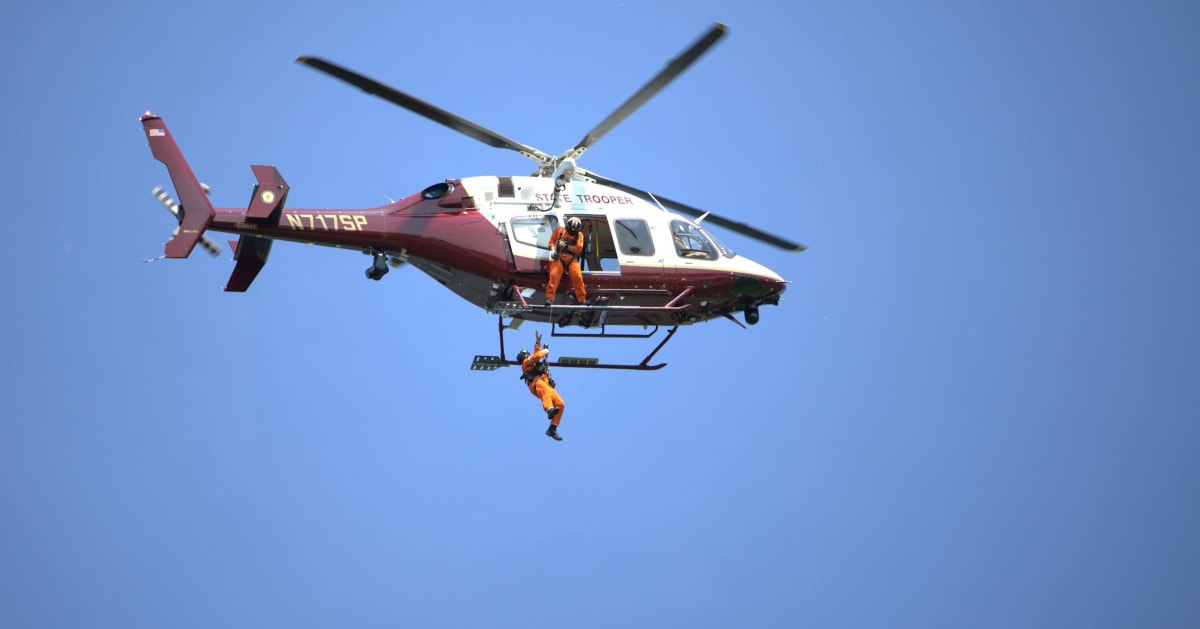
The Minnesota Air Rescue Team (MART) answered the call on May 14 with their most advanced rescue yet. Strong currents and rising water levels blocked ground crews from reaching the pair, so MART's helicopter team flew an hour and a half north for a nighttime extraction.
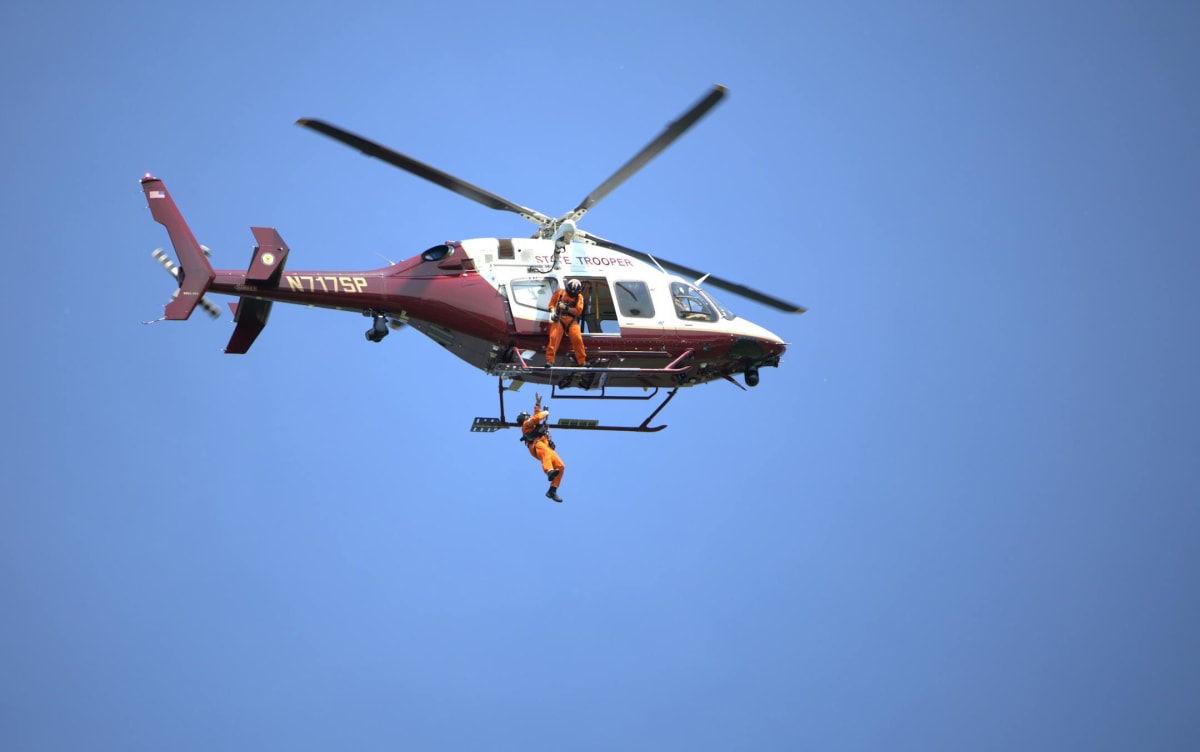
Captain Riley Onofrio of the St. Paul Fire Department operated the hoist system wearing night vision goggles as helicopter blades whirred 260 feet above the ground. The stranded canoeists had managed to light a small signal fire, which the crew spotted through infrared technology from half a mile away.
This marked MART's first ever helicopter hoist rescue and their second nighttime operation this year. The team received state funding last fall to expand their capabilities, which already proved vital when they rescued a hunter trapped in waist-deep snow this January.
The Ripple Effect
For rural Minnesota counties with vast wilderness but limited resources, MART has become a lifeline. "We can get somebody in and out within a matter of hours that may take eight or nine hours otherwise," said Tim Luoma, chief deputy with the Lake County Sheriff's Office.
The rescue comes free to residents, a crucial benefit as more visitors explore the Boundary Waters each summer. MART expects rescue calls to increase during peak camping season.
Onofrio offers simple advice for wilderness travelers: pack multiple light sources, extra batteries, and a GPS locator. Their infrared goggles can spot flashlights from half a mile away, and GPS coordinates help crews find people quickly even in dense wilderness.
Both canoeists walked away uninjured and are doing fine. Thanks to Minnesota's growing air rescue capabilities, what could have been a tragic night in freezing temperatures became a story of innovation and teamwork saving lives.
More Images



Based on reporting by Google: rescue saves
This story was written by BrightWire based on verified news reports.
Spread the positivity!
Share this good news with someone who needs it