Minnesota Doubles Wind Energy Line in $900M Upgrade
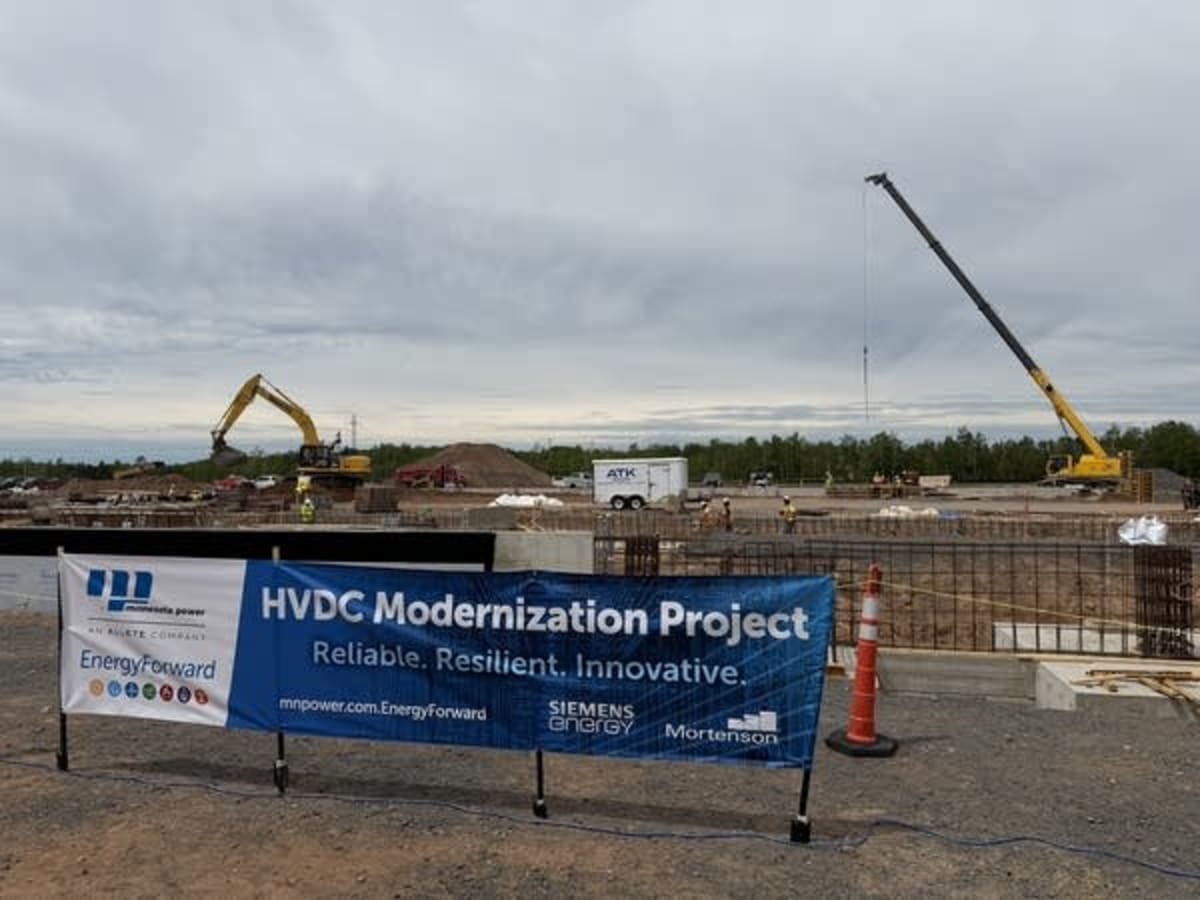
A Minnesota utility just broke ground on a massive project that will nearly double the amount of clean wind energy flowing from North Dakota to northern communities. The upgrade to a 50-year-old power line puts the state on track to meet its goal of 100% carbon-free electricity by 2040.
Minnesota just took a giant leap toward its clean energy future with a $900 million project that will transform how wind power reaches homes across the state.
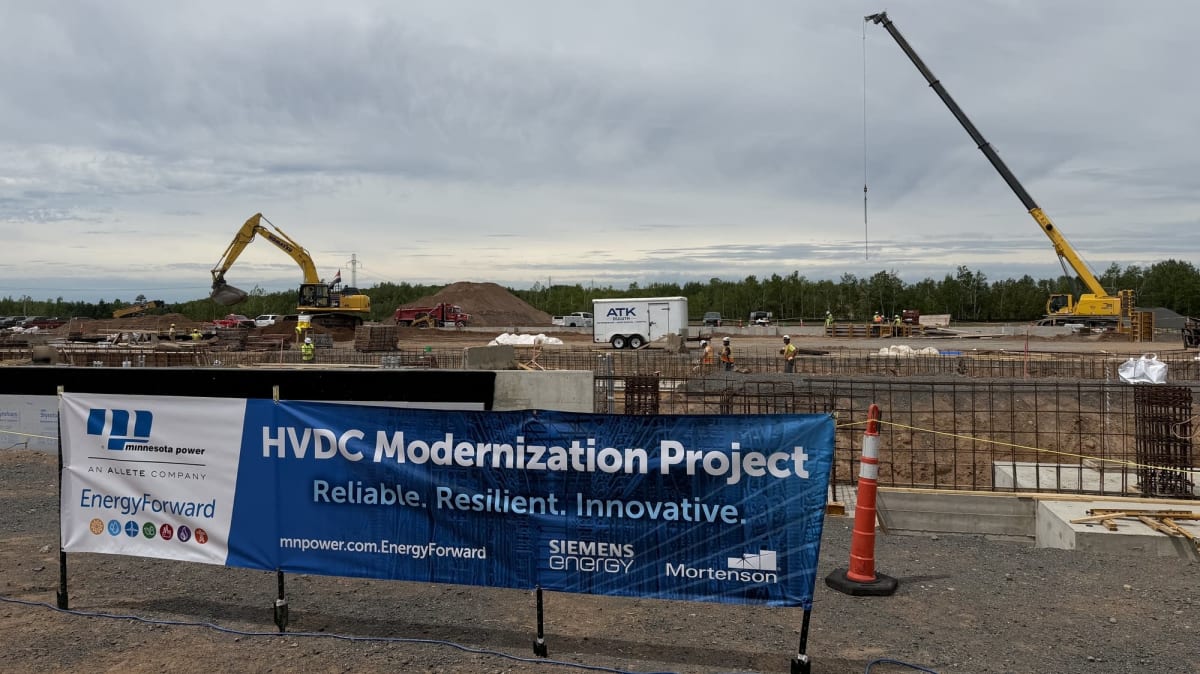
Duluth-based Minnesota Power broke ground this week on an ambitious upgrade to a 465-mile transmission line connecting North Dakota's wind farms to northern Minnesota. The project won't add new power lines but will build cutting-edge converter stations at both ends that nearly double the electricity the line can carry.
The transmission line is special because it uses high-voltage direct current technology, one of only two such lines in Minnesota. These rare HVDC lines are far more efficient at moving electricity over long distances than traditional power lines, making them perfect for delivering wind energy from rural areas to cities.
"This line is primarily driving a lot of our clean energy investments from North Dakota, where wind is most efficient," said Dan Gunderson, vice president of transmission planning for Minnesota Power. The upgrade directly supports Minnesota's requirement that utilities produce 100% of their electricity from carbon-free sources by 2040.
The project has an impressive origin story. Engineers in the 1970s built the original line with the largest cable possible at the time, deliberately designing it with future expansion in mind. That forward thinking is now paying off 50 years later.
The Ripple Effect
The new converter stations bring another game-changing feature: electricity can now flow in either direction on the line. This flexibility will help balance the grid as more renewable energy sources come online across the upper Midwest.
The project also demonstrates how infrastructure investments create opportunities for entire regions. It connects to a proposed 67-mile transmission line on the Iron Range, positioning St. Louis County as an emerging electricity hub.
Federal support for the project showed unusual bipartisan strength. After the Trump administration initially revoked $50 million in funding, lawmakers from both Minnesota and North Dakota worked together to restore it. The project also received $25 million in state support.
Minnesota Power already generates about 60% of its electricity from clean sources. This transmission upgrade removes a major barrier to reaching that ambitious 100% goal within the next 15 years.
The future of clean energy depends on infrastructure that can move renewable power from where it's generated to where it's needed, and Minnesota just proved that future is already being built.
More Images
Based on reporting by Google News - Clean Energy
This story was written by BrightWire based on verified news reports.
Spread the positivity!
Share this good news with someone who needs it