Minnesota Recovery Graduates Share Stories at State Capitol
Two women who turned their lives around through Minnesota's treatment courts traveled to the Capitol to inspire others. Their stories show how second-chance programs can create lasting change.
Standing before lawmakers and advocates at the Minnesota State Capitol, Brittney Petersen and Melissa Korby shared something more powerful than policy arguments: their own recovery journeys.
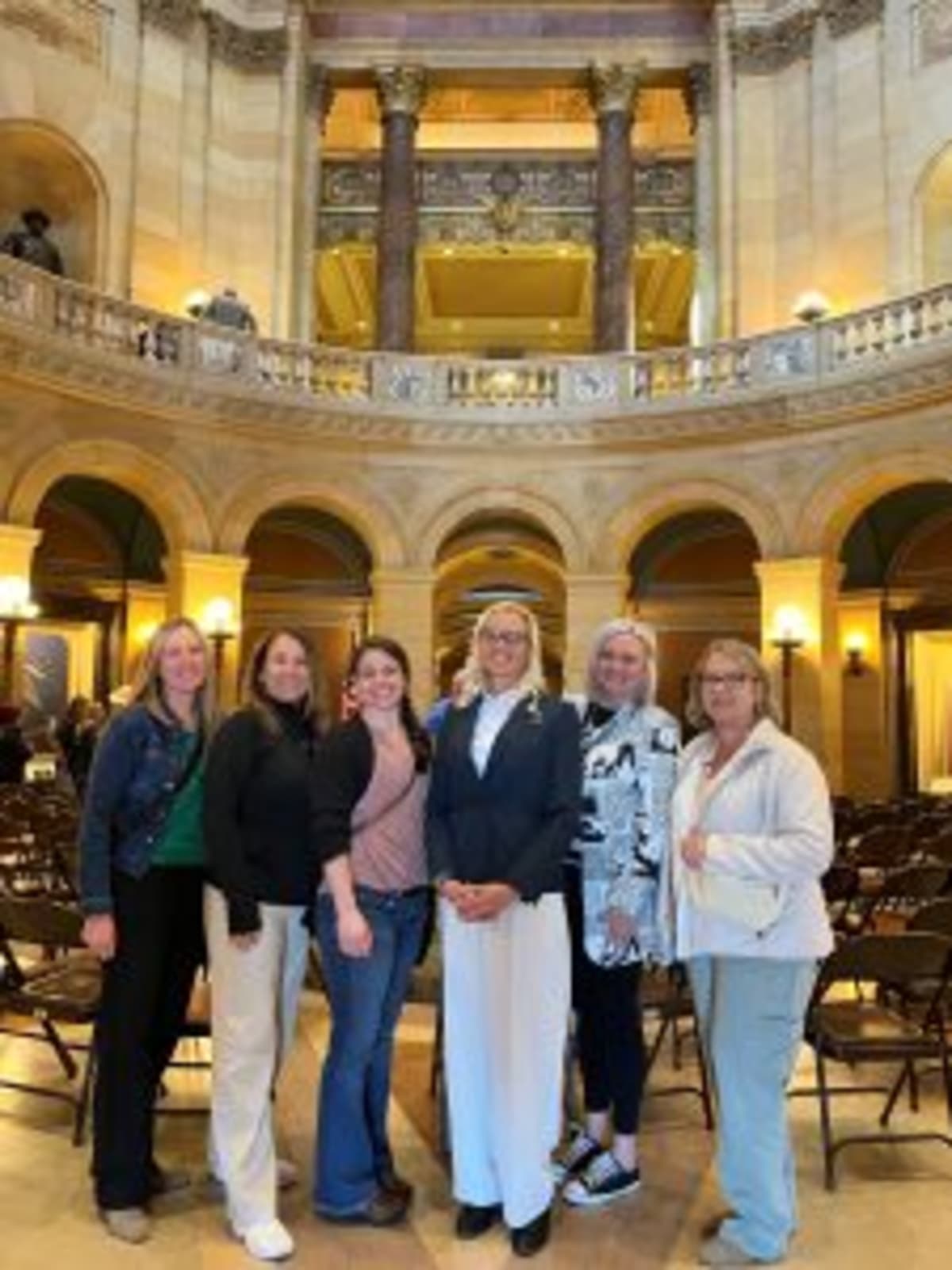
The two Otter Tail County residents joined nearly 100 people on May 7 for Treatment Court Capitol Day, an annual celebration of programs that offer alternatives to traditional prosecution for people struggling with substance use. Petersen graduated from the county's Drug Court program in 2024 with two years of recovery behind her, while Korby marked an impressive milestone: 10 years since completing DWI Court in 2016.
Both women spoke openly about how the programs changed their lives. Treatment courts combine accountability with support, giving participants access to counseling, monitoring, and community connections while working through the justice system.
"I'm so proud of the changes they were willing and are still making each day," said Hallie Metcalf, the treatment court probation agent who worked with both women. "It's not an easy path but I'm thankful they have recognized their worth and have chosen recovery for a better way of life."
The Otter Tail County delegation included more than just graduates. Tria Mann, the treatment court coordinator, and Dana McClaflin, a care coordinator, made the trip to St. Paul alongside the women they'd supported. Jenna Kavanagh attended too, bringing a unique perspective as both a treatment provider and a DWI Court graduate herself.
The Ripple Effect
Treatment courts offer something traditional prosecution often can't: a structured path forward that addresses the root causes of criminal behavior. Participants receive tools and accountability while staying connected to their communities, emerging with the foundation for long-term recovery.
The programs don't just change individual lives. Families reunite, children regain stable homes, and communities become safer. Every graduate represents potential that might have been lost to the cycle of addiction and incarceration.
Mann captured the significance simply: "Treatment courts change lives. Their courage and commitment represent the very best of what these programs can accomplish."
As Petersen and Korby stood at the Capitol sharing their stories, they offered something invaluable to those still struggling: proof that change is possible.
More Images



Based on reporting by Google News - Recovery Story
This story was written by BrightWire based on verified news reports.
Spread the positivity!
Share this good news with someone who needs it