Minnesota Wind-Powered Plant Makes Fertilizer for Farmers
A University of Minnesota facility is using wind power to produce ammonia fertilizer locally, helping protect farmers from global price swings. The groundbreaking plant could inspire dozens more across the Midwest.
Minnesota farmers just got a powerful new ally in their fight against unpredictable fertilizer costs: a wind turbine that turns air and water into the nutrients their crops need.
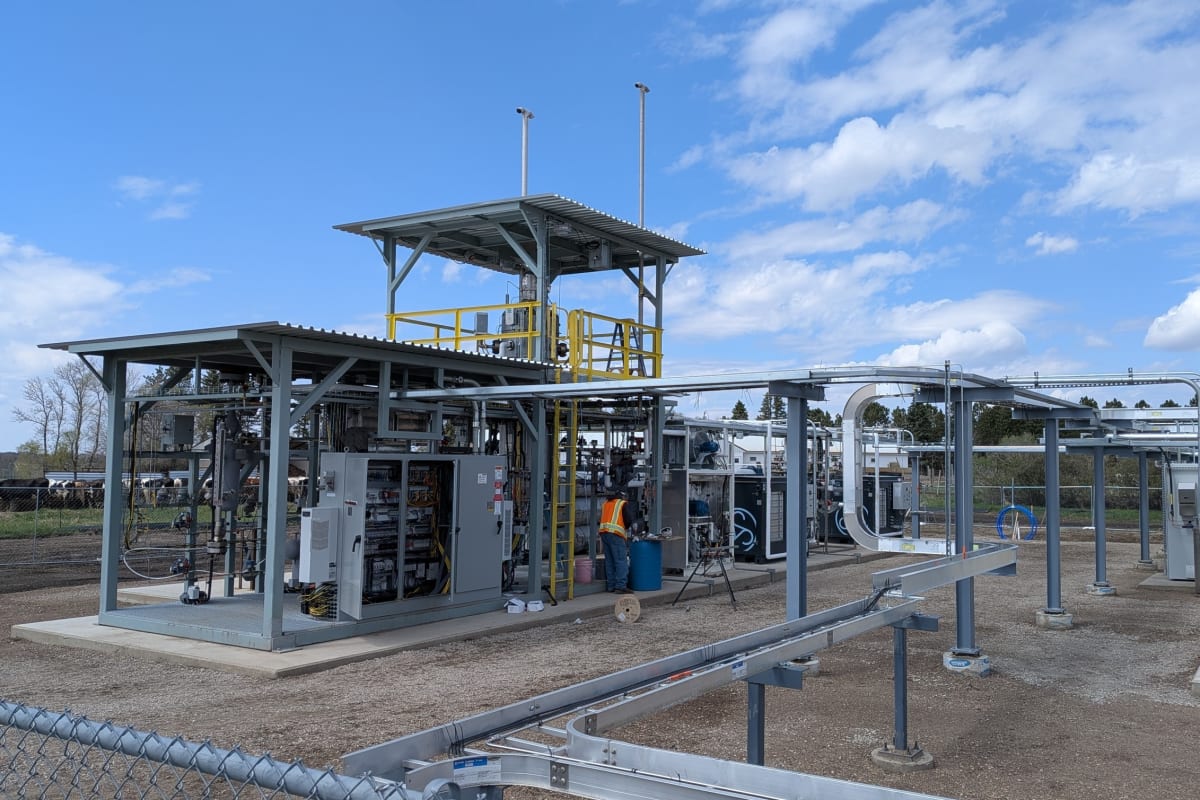
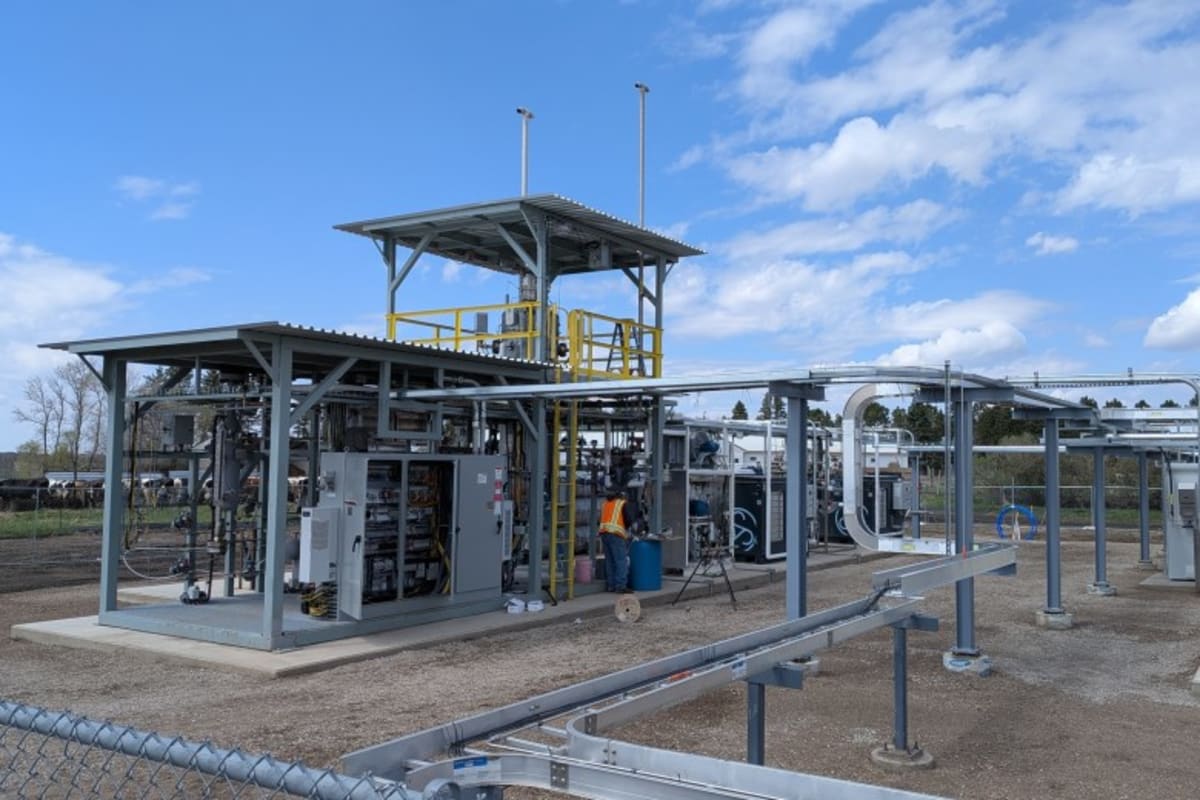
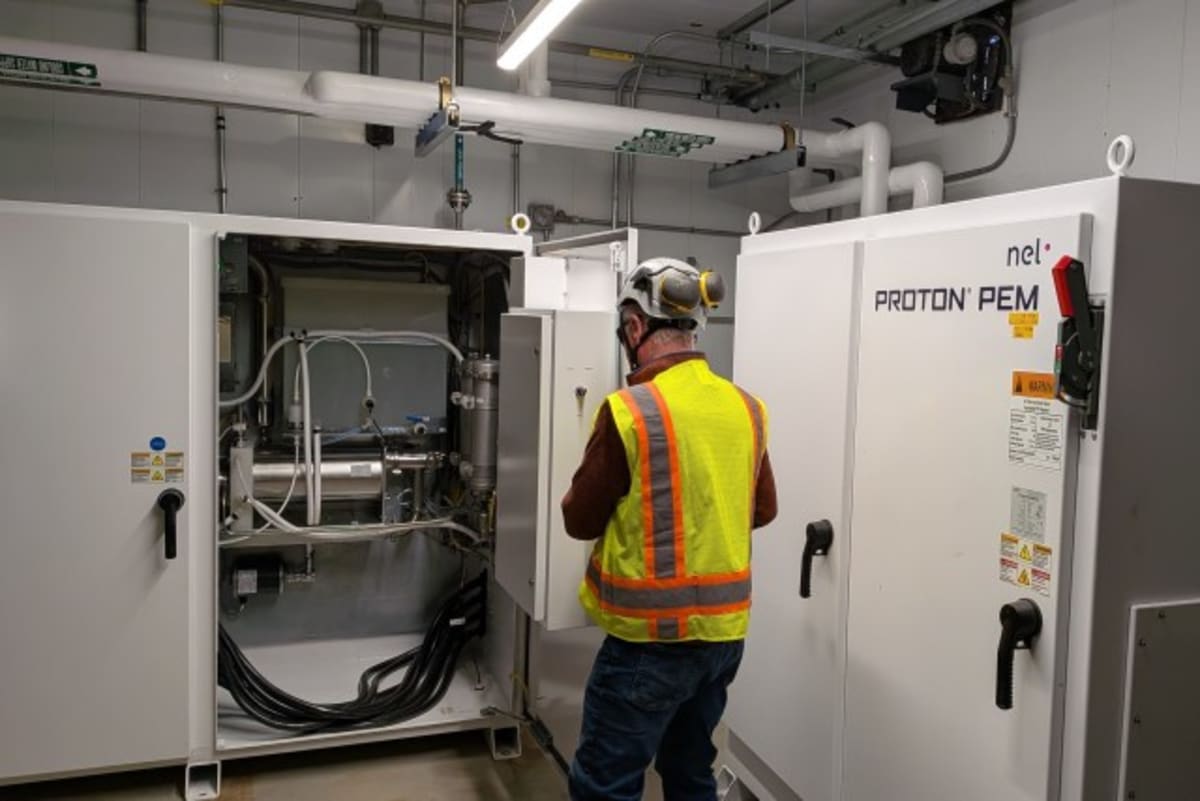
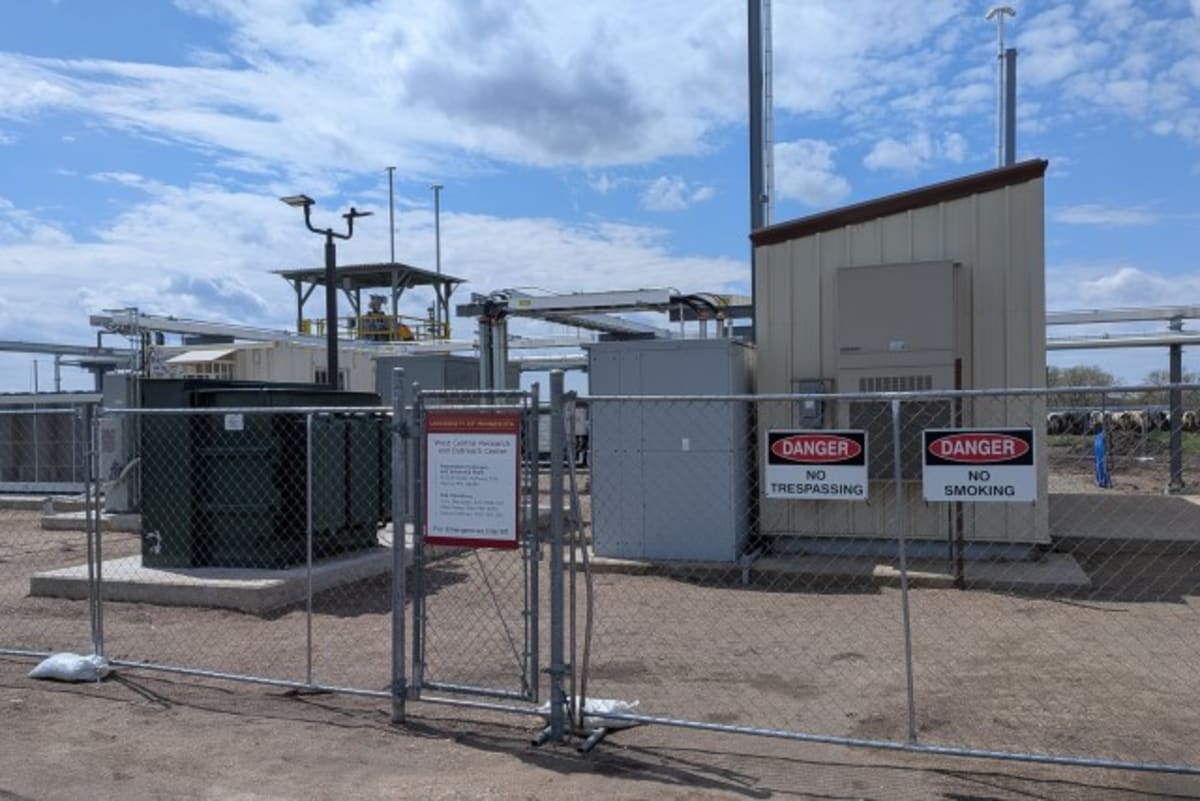
The University of Minnesota's West Central Research and Outreach Center near Morris commissioned a first-of-its-kind plant this spring. When wind blows across the prairie, the turbine powers machines that split hydrogen from water, pull nitrogen from air, and combine them into ammonia fertilizer.
The timing couldn't be better. Minnesota farmers spend at least $500 million every year buying fertilizer from Gulf Coast suppliers. When global conflicts shut down shipping routes, like the recent crisis in the Strait of Hormuz, those costs can double to over $1 billion almost overnight.
Right now, the Morris plant produces hundreds of kilograms of ammonia daily. That's tiny compared to the 900,000 tons Minnesota imports annually. But the technology proves something crucial: local, clean fertilizer production actually works.
Michael Reese, the green ammonia research lead at the center, sees this as just the beginning. Plans are already underway to triple the Morris facility's output to one metric ton daily.
Even more promising, a southern Minnesota farming cooperative announced in March they're building modular plants that could produce 12,000 tons annually. That would cover most of their farmers' needs within a few years.
The Ripple Effect
The benefits stretch far beyond fertilizer. Ammonia stores energy 100 times more cheaply than pure hydrogen, making it useful for transportation fuel and heavy industries like ironmaking.
Texas-based Talusag, the company behind the cooperative's technology, says their modular approach cuts ammonia costs by up to 50 percent. Their plants can set up anywhere with adequate power, whether in farm country or at remote mining sites.
KC Graner, president of Central Farm Service in Truman, Minnesota, told AgWeek that fertilizer prices have swung by more than 300 percent in recent years. That kind of volatility makes planning nearly impossible for farmers operating on thin margins.
Sameer Parvathikar from RTI International, which collaborated on the Morris project, called it an important milestone. At the April commissioning ceremony, he noted the crowd included university leaders and a North Carolina developer already looking at commercial applications.
The vision is clear: wind-powered ammonia plants dotting the Minnesota countryside, giving farmers control over a critical input they've always had to buy from far away. What started as hundreds of kilograms could soon scale to thousands of tons, keeping money in local communities while protecting against global supply shocks.
Minnesota is showing the country that the future of farming might be cleaner, cheaper, and a whole lot closer to home.
More Images
Based on reporting by Google News - Clean Energy
This story was written by BrightWire based on verified news reports.
Spread the positivity!
Share this good news with someone who needs it


