Minnesota Wind Surplus to Power Local Ammonia for Farmers
Minnesota farmers could soon get their fertilizer from local wind energy instead of overseas suppliers. A new partnership wants to turn wasted wind power into ammonia production, protecting farms from global price swings.
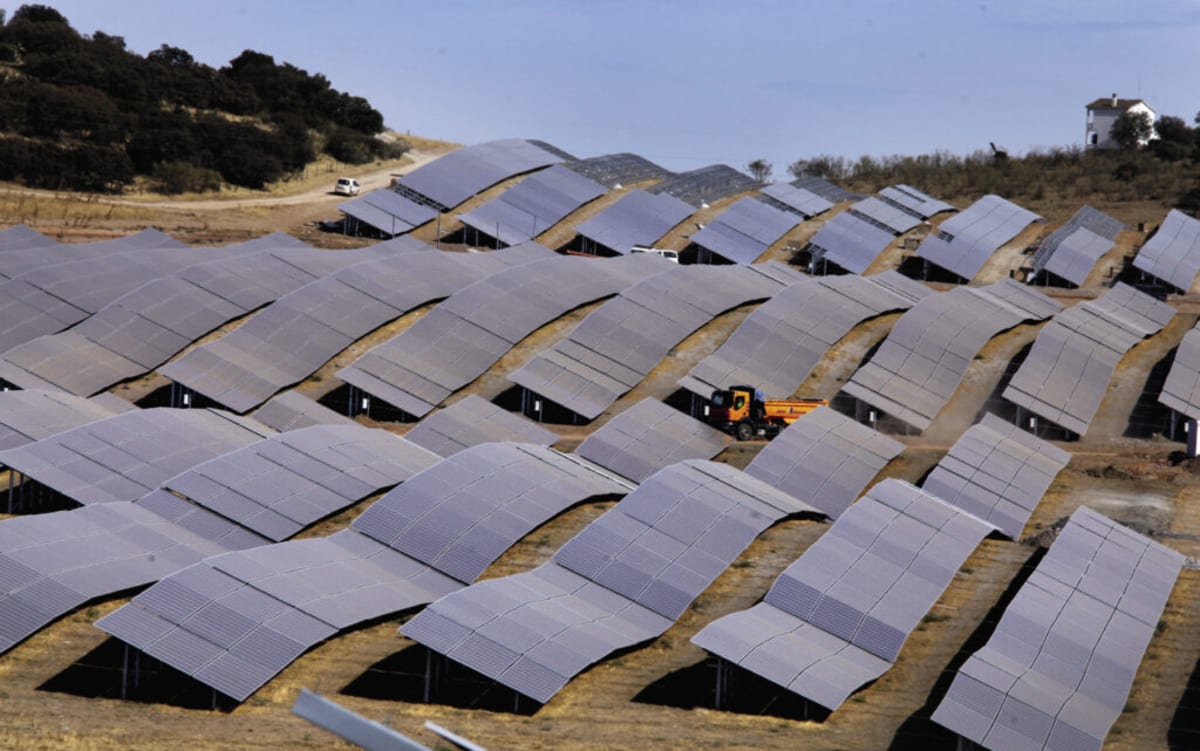
Minnesota has so much wind energy that turbines regularly get shut off because the grid can't handle it all. Now three organizations have figured out how to turn that wasted power into something farmers desperately need: stable, affordable fertilizer.
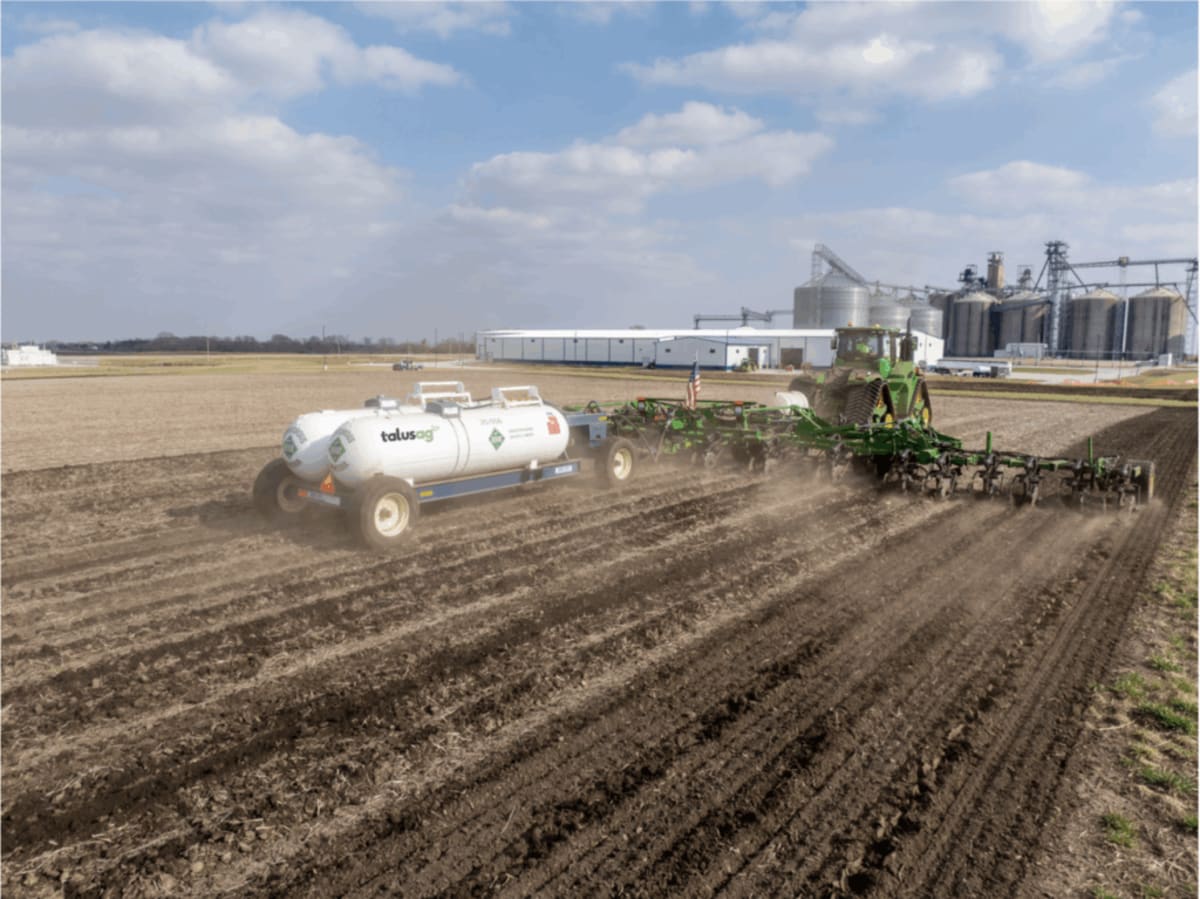
Central Farm Service, TalusAg, and CleanCounts are teaming up to create the first commercially available, wind-powered ammonia facility in southern Minnesota. The timing couldn't be better for local farmers who've watched their fertilizer costs swing wildly by over 300% in recent years.
The problem starts far from Minnesota fields. When Russia invaded Ukraine, ammonia prices spiked. When conflict erupted in Iran, they jumped again. Minnesota doesn't produce industrial-scale ammonia, so farmers depend entirely on imports vulnerable to every global crisis.
Meanwhile, wind turbines across the Midcontinent region waste 4 to 9 million megawatt hours annually because the electrical grid simply can't absorb it. That stranded energy hurts rural counties too, which collect taxes based on energy production but lose revenue when turbines shut down. Murray County alone saw property tax revenue from energy producers drop 34% between 2020 and 2022.
The partnership's solution connects these two problems brilliantly. By 2028, they project producing 40 tons of ammonia daily using surplus wind power. That's nearly enough to meet the annual needs of all CFS cooperative members.
KC Graner, CEO of Central Farm Service, calls it a no-brainer. "Local production gives our member-owners a level of control and predictability they've never had before," he says. His cooperative is investing several million dollars to build proper storage facilities.
The project builds on proven technology. Since 2013, the University of Minnesota Morris has operated the country's first wind-to-ammonia facility, currently producing one ton daily. Traditional ammonia production relies on natural gas and creates about 1% of global carbon emissions. Wind-powered production eliminates those emissions entirely.
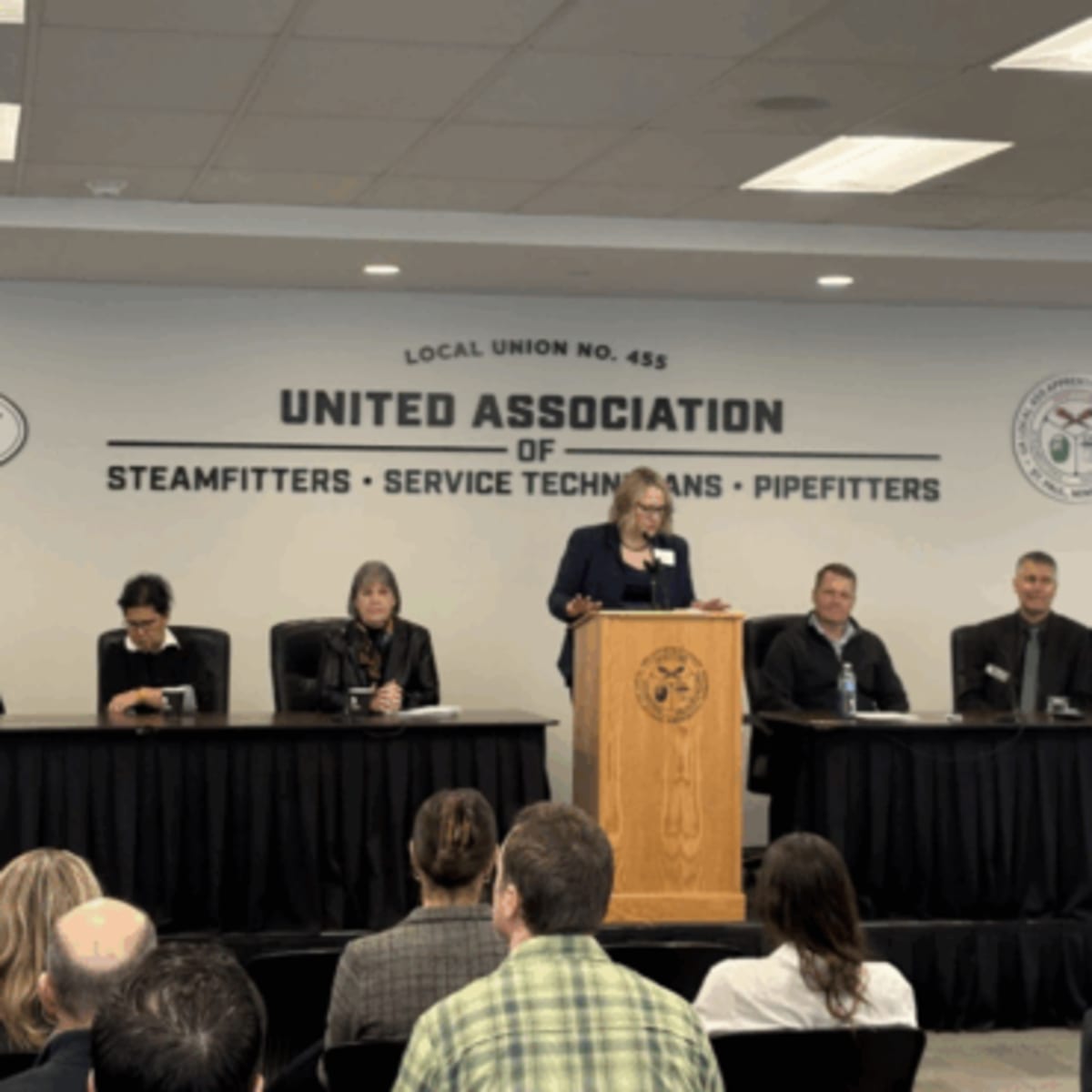
The partnership is asking Minnesota's legislature for $8 million from the Renewable Development Account to cover major startup costs. Rob Davis of CleanCounts believes this seed money could launch an entire green ammonia industry in the state.
The Ripple Effect
This project does more than stabilize fertilizer prices. It transforms a taxation headache into revenue for rural counties hosting wind turbines. It keeps farmer dollars local instead of sending them overseas. It proves that clean energy solutions can solve practical, everyday challenges for working people.
For southern Minnesota's farm communities, energy independence and food production are becoming the same goal.
More Images

Based on reporting by Google News - Wind Energy
This story was written by BrightWire based on verified news reports.
Spread the positivity!
Share this good news with someone who needs it