Mirror Molecule Starves Cancer Cells, Spares Healthy Ones
Scientists discovered a mirror-image amino acid that dramatically slows cancer growth while leaving healthy cells untouched. The molecule could offer a surprisingly simple new weapon against aggressive tumors.
Scientists at the University of Geneva just found a way to starve cancer cells without harming the rest of your body.
The breakthrough centers on D-cysteine, a mirror-image version of an amino acid your body normally uses. When researchers tested it on aggressive breast cancer cells, the molecule slowed tumor growth dramatically while healthy cells sailed through unaffected.
Most cancer treatments work like a sledgehammer, attacking fast-growing cells whether they're cancerous or not. That's why chemotherapy causes hair loss, nausea, and exhaustion. This new approach works more like a key fitting into a specific lock.
The secret lies in how cancer cells feed themselves. Certain tumors display a special transporter on their surface that sucks in D-cysteine. Healthy cells don't have this transporter, so they simply ignore the molecule floating past them.
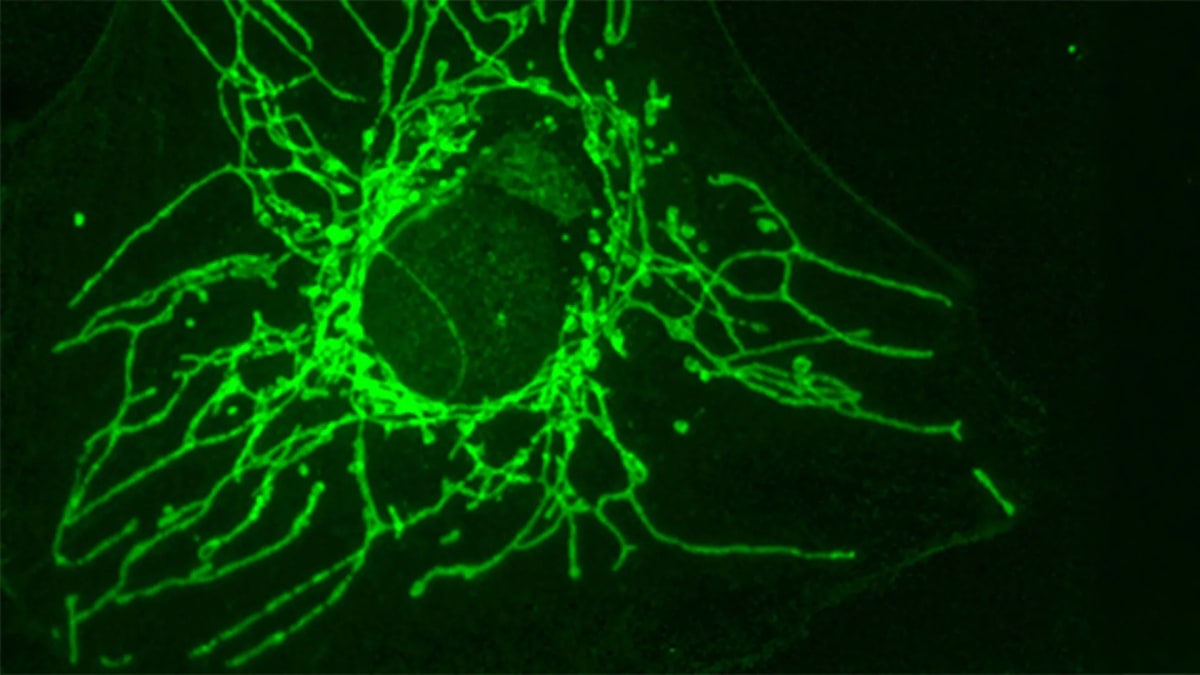
Once inside cancer cells, D-cysteine gets to work. It blocks an enzyme called NFS1 in the mitochondria, the tiny powerhouses that fuel cells. Without this enzyme, cancer cells can't produce iron-sulfur clusters, essential structures needed for breathing, making DNA, and staying alive.
Joséphine Zangari, the PhD student who led the experiments, proved just how specific this targeting is. When her team artificially added the transporter to healthy cells, those cells also stopped growing in the presence of D-cysteine. Remove the transporter, and the cells were fine again.
The researchers tested their discovery on mice with aggressive mammary tumors, the kind that typically resist treatment. Tumor growth slowed significantly, and the animals showed no major side effects.
Professor Jean-Claude Martinou, who led the study published in Nature Metabolism, is cautiously optimistic. The team still needs to determine safe and effective doses for humans, but the early results suggest D-cysteine could work against any cancer that produces high levels of the specific transporter.
Why This Inspires
For decades, cancer treatment has meant choosing between killing tumors and protecting healthy tissue. This discovery suggests we might not have to choose anymore.
The elegance of the solution is striking. No complex drugs or expensive procedures, just a mirror-image molecule that cancer cells mistake for food. It's a reminder that nature sometimes hides simple answers to our most complicated problems.
If human trials confirm what mice experienced, patients might one day take a relatively simple therapy that targets their cancer with sniper precision. The approach could even help prevent metastasis, when cancer spreads to new parts of the body.
The research represents more than a potential new treatment. It opens an entire pathway for developing cancer therapies that exploit the specific ways tumor cells differ from healthy ones.
Based on reporting by Science Daily
This story was written by BrightWire based on verified news reports.
Spread the positivity!
Share this good news with someone who needs it