Missouri Scientists Grow Sweet Corn Using 30% Less Water
University of Missouri researchers discovered a new way to grow sweet corn that saves water and money without changing its signature sweetness. The breakthrough could help small farmers across America cut costs while protecting the environment.
Farmers could soon grow the same delicious sweet corn Americans love while using significantly less water, thanks to a breakthrough from University of Missouri scientists.
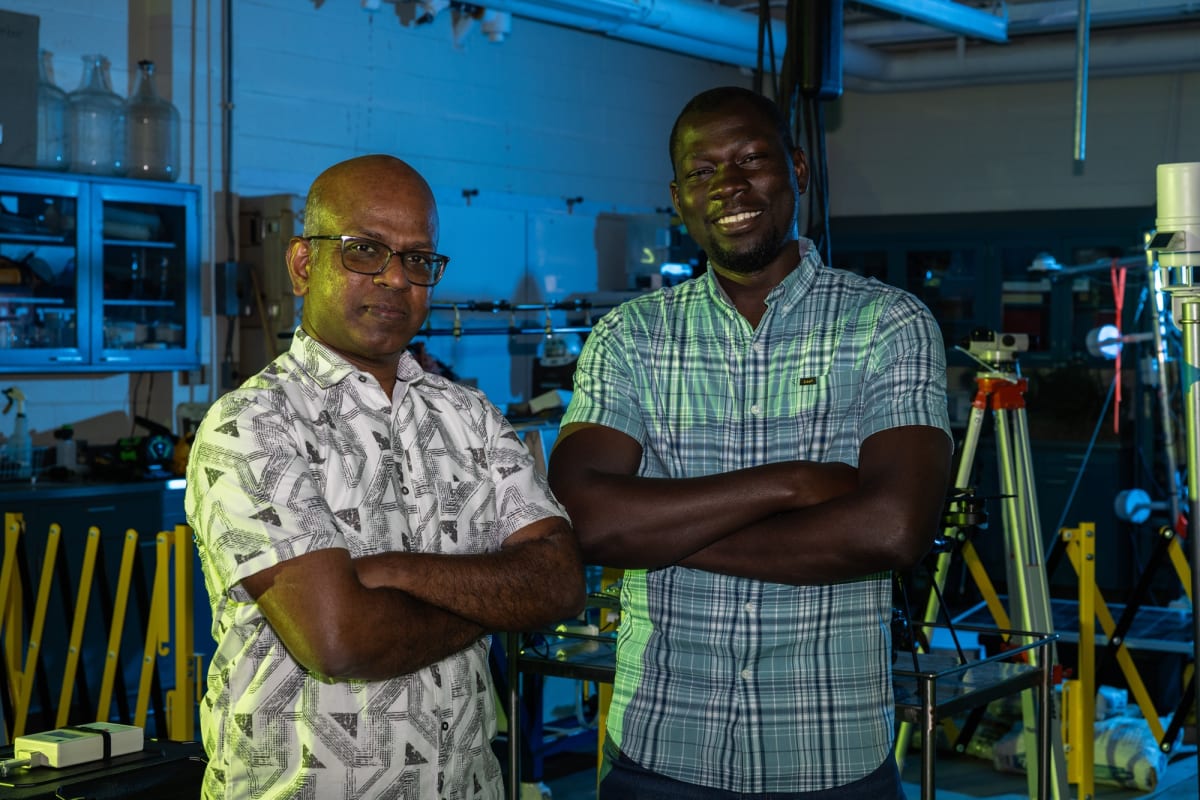
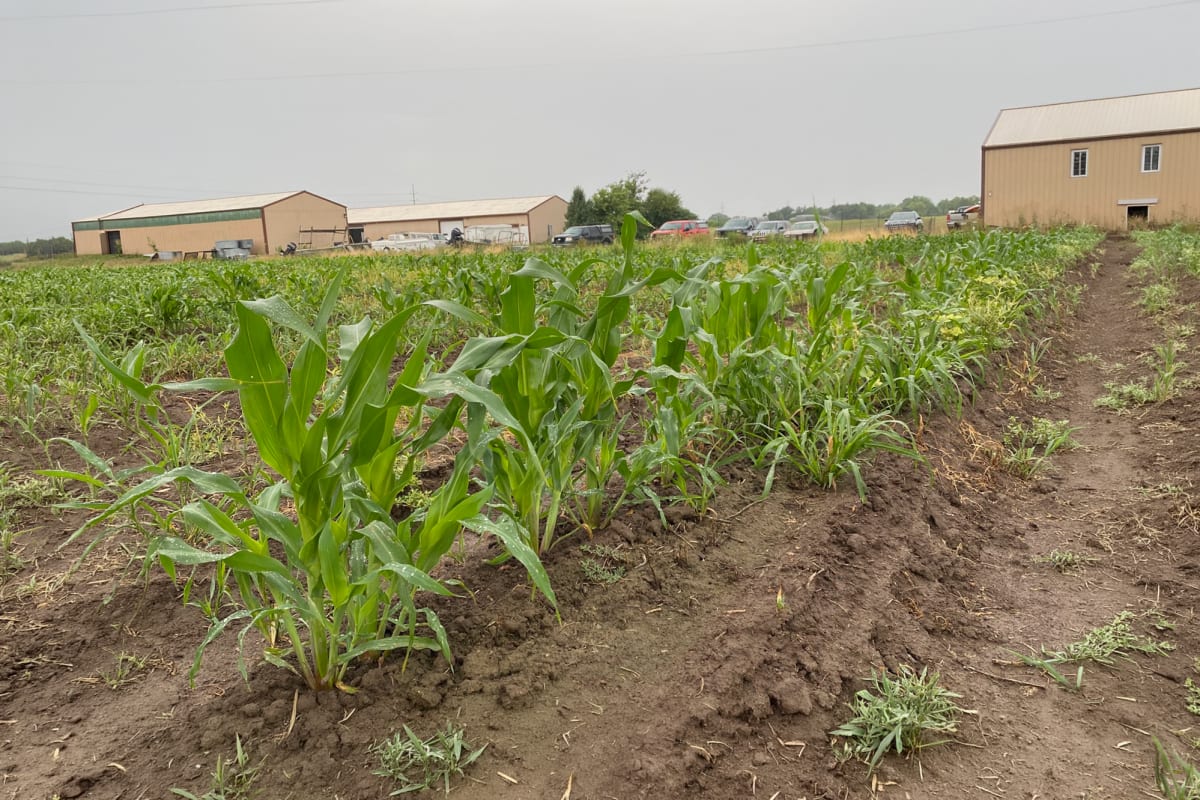
Associate Professor Noel Aloysius and graduate student Moussa Theodore Yatta tested three different watering methods on sweet corn crops at Mizzou's South Farm. They wanted to find out if farmers could cut water use without sacrificing the sweetness consumers expect.
The winning approach, called crop-specific evapotranspiration, adjusts water amounts based on what the corn actually needs at each growth stage. Sweet corn requires little water early on, but its thirst spikes dramatically when it starts reproducing.
The traditional method relied on weather data like temperature and humidity to estimate water needs. That approach consistently overwatered the plants, wasting a precious resource.
"When farmers rely only on weather to guide irrigation, they often apply more water than the crops truly need," Aloysius said. The targeted watering method conserved water without hurting the crop at all.
Here's the best part: taste tests showed virtually no difference in sugar content between corn grown with different watering strategies. Farmers can use less water while still delivering the sweet, tender kernels people crave.
This matters more than you might think. Sweet corn ranks second among processed vegetables in farm value across the United States and consistently places in the top 10 for fresh produce nationwide. The crop generates billions of dollars annually, mostly in the Midwest and Northeast.
The Ripple Effect
The real winners here could be small-scale farmers who struggle to compete with large commercial operations. Big farms can afford expensive advanced irrigation systems, but smaller producers often can't make those investments.
"Identifying strategies that reduce water use and costs without sacrificing quality can make a real difference for their success," Aloysius explained. His lab is now developing automated, data-driven tools specifically designed to help small farmers use resources more efficiently.
Yatta plans to expand this research as part of his doctoral work. He'll study how the watering method performs during unusually wet or dry seasons and test it on major grain crops like soybeans and field corn.
"If we can see how these approaches perform over time and at larger scales, farmers could apply water even more precisely," Yatta said. "That helps build more resilient farming systems."
The research comes at a crucial time as water resources face increasing pressure from climate change and growing populations. Finding ways to produce food more efficiently while protecting natural resources benefits everyone from farmers to families picking out corn at the grocery store.
Small changes in how we grow food can create big wins for sustainability and affordability across American agriculture.
More Images


Based on reporting by Google News - Researchers Find
This story was written by BrightWire based on verified news reports.
Spread the positivity!
Share this good news with someone who needs it