MIT 3D Prints Working Motor in 3 Hours for 50 Cents
MIT researchers built a 3D printer that can create an entire working electric motor, complete with moving parts, in just three hours for only 50 cents in materials. This breakthrough could revolutionize manufacturing by letting companies print their own hardware on demand instead of waiting for parts to ship.
Imagine printing a working motor the same way you print a document, except this one has moving parts and costs less than a candy bar.
MIT researchers just pulled off exactly that feat. Their retrofitted 3D printer created a fully functional electric linear motor in three hours using five different materials, including magnetic and conductive ones. The total materials cost? Just 50 cents.
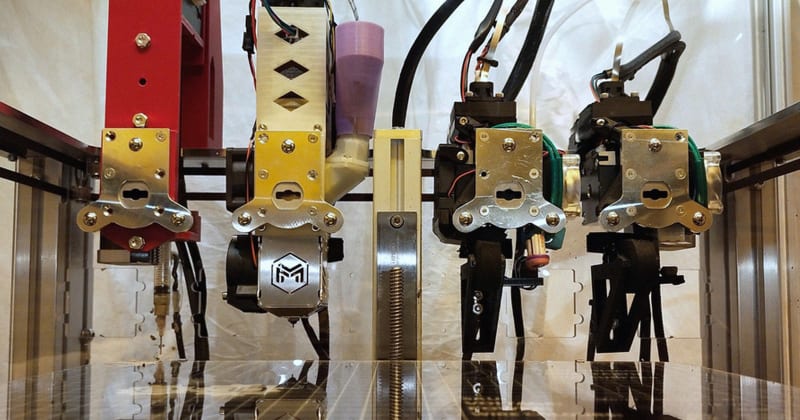
The team equipped their printer with four separate extruders that can deposit different materials by squeezing them through a nozzle. They used this setup to print solenoids (devices that convert electrical energy into motion), hard magnets, and springs, then assembled them into what they call the first fully 3D printed electric motor.
Here's the kicker: their printed motor actually works better than traditional ones. It generates several times more power than common linear engines that rely on complex hydraulic amplifiers.
The only step they couldn't print was magnetizing the hard magnets after printing. Everything else came straight from the printer, ready to work.
Lead researcher Luis Fernando Velásquez-García sees this as just the beginning. "We have an opportunity to fundamentally change the way things are made by making hardware onsite in one step, rather than relying on a global supply chain," he said.
The Ripple Effect
This breakthrough could transform how manufacturers work. Instead of ordering parts and waiting days or weeks for delivery, companies could simply print what they need on site. That means faster production, lower costs, and less dependence on complex supply chains that can break down.
The technology could spread to industries from robotics to medical devices. Small manufacturers and startups could prototype and produce hardware without massive upfront investment in parts inventory.
The team published their findings in the journal Virtual and Physical Prototyping and continues improving their platform. They're working to bring this technology from the lab to real world manufacturing floors where it can make the biggest difference.
This isn't just about printing motors faster or cheaper, it's about reimagining how we make things in the first place.
Based on reporting by Futurism
This story was written by BrightWire based on verified news reports.
Spread the positivity!
Share this good news with someone who needs it