MIT AI Finds Path to Clean Fertilizer Production
MIT researchers developed an AI tool to identify materials that could slash greenhouse gas emissions from ammonia production, the chemical that feeds the world. The breakthrough could make green fertilizer economically viable for the first time.
Scientists just cracked a major code in the quest to feed the world without heating the planet.
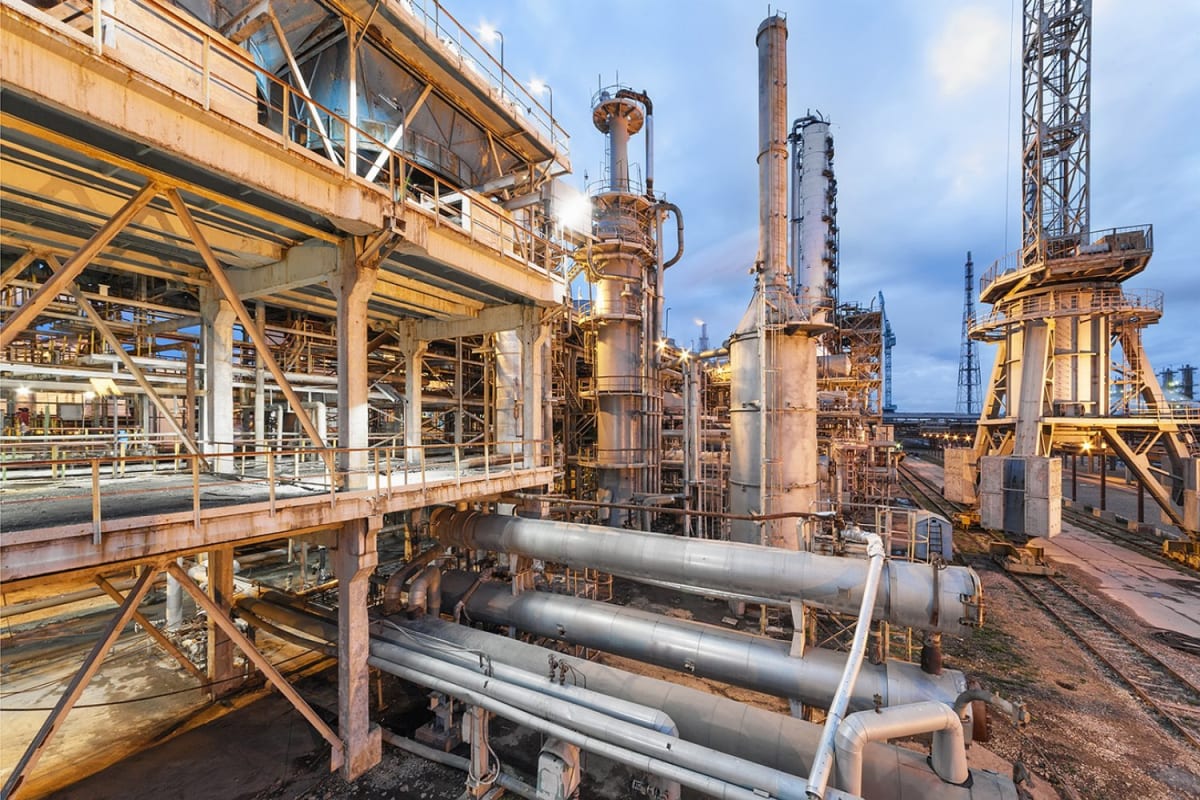
Ammonia might not sound exciting, but it's the second most produced chemical globally and the backbone of fertilizer that feeds billions of people. The problem? Making it currently devours 2 percent of the world's energy and pumps out 1.5 percent of global greenhouse gases.
For over a century, we've relied on the Haber-Bosch process, which uses fossil fuels to create the heat and pressure needed to produce ammonia. As the world's population grows and food demand rises, that carbon footprint keeps expanding.
Researchers at MIT just published a solution that could change everything. Led by Professor Bilge Yildiz and doctoral students Constantine Athanitis and Filip Grajkowski, the team developed a computational approach using AI to identify the best catalyst materials for making ammonia electrochemically, using electricity instead of heat.
The electrochemical method already exists, but it's never been efficient enough to compete with traditional production at the massive scales the world needs. We produce 200 million metric tons of ammonia annually, and companies won't switch to greener methods unless they're cost competitive.
The MIT team focused on metal nitride compounds, which show promise as catalysts that could drive the chemical reactions more efficiently. Instead of testing millions of possible alloy combinations through years of trial and error, their AI system predicts which materials will perform best by identifying the key physical properties that boost catalytic activity.
"If we can somehow find a catalyst that reduces the energy needed and is more selective for ammonia production, then we could essentially hit the jackpot," Athanitis explains. A more selective catalyst means more ammonia with fewer unwanted side reactions.
The Ripple Effect
This breakthrough arrives at a critical moment. Meeting global climate targets requires transforming how we make essential chemicals, not just changing what we drive or how we power our homes.
The team published their findings in the open-access journal EES Catalysis, meaning researchers worldwide can immediately build on this work. By dramatically accelerating the search for effective catalysts, the AI approach could help make sustainable ammonia production economically viable within years instead of decades.
The beauty of this solution is that it doesn't require inventing entirely new technology or changing how farmers fertilize crops. It simply makes the clean alternative to an old process finally competitive enough for industries to adopt.
Every major chemical process that shifts away from fossil fuels brings us closer to sustainable food security for a growing planet.
Based on reporting by MIT News
This story was written by BrightWire based on verified news reports.
Spread the positivity!
Share this good news with someone who needs it