MIT Anthropologist Shows How to Save Workers' Stories
An MIT professor created a free model that lets any community preserve their working-class history using family photos and keepsakes. The project honors Chicago steelworkers and gives families everywhere a blueprint to tell their own stories.
What if your grandmother's hard hat or your grandfather's lunch pail could unlock an entire community's history?
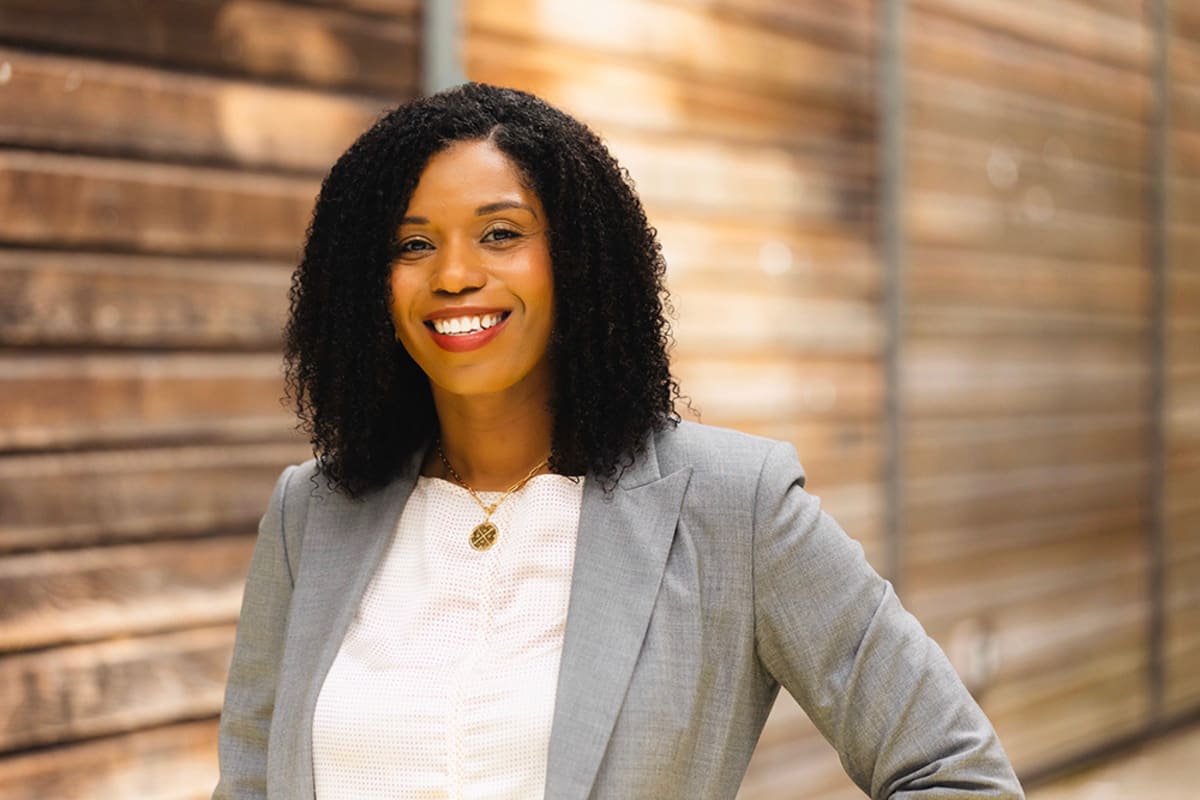
MIT anthropologist Christine Walley grew up in Southeast Chicago, where her father worked at Wisconsin Steel until it closed in 1980. She watched as the shutdown devastated families across the region. Years later, she turned that pain into something communities everywhere can use.
Walley partnered with the Southeast Chicago Historical Society to create an online archive that anyone can learn from. The project shows families how to use everyday objects to tell the stories of their parents, grandparents, and neighborhoods.
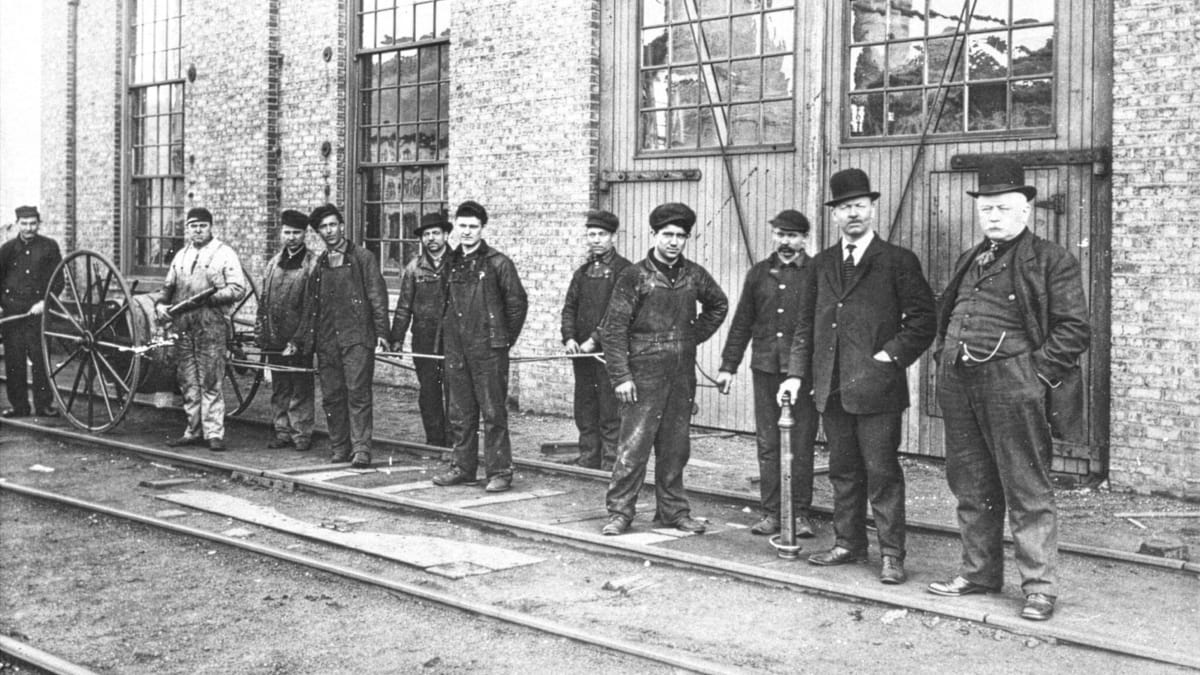
The collection features more than 1,100 items from steelworking families. Welding helmets, family photos, work clothes, and scrapbooks all become windows into industrial history. At their peak, the Southeast Chicago mills employed 120,000 people across facilities stretching for miles.
One standout story belongs to Kitty Kalwasinski Markovich, who immigrated from Poland as a child in 1913. During World War II, she became a welder at U.S. Steel's South Works. She painted her five brothers' names on her welding helmet while they served in the military, marking one with a solid star after he was killed in action.
Warner Brothers even considered making a film about her as a real-life "Rosie the Riveter." Unlike many wartime women workers, Markovich kept welding for 23 years after the war ended, retiring in 1967.
The Ripple Effect
Walley's project has won awards and received support from MIT and the National Endowment for the Humanities. But its biggest achievement might be its simplicity.
"People tend to experience history in their day-to-day lives not through books written by experts, but by telling stories around family objects and photos," Walley explains. Any community can adopt this approach without special expertise or expensive technology.
The archive includes items from Howard Johnson, MIT's 12th president, who grew up in Southeast Chicago during the Great Depression. His father worked for U.S. Steel for 50 years. Johnson attended the local high school, which still serves students today.
Walley asks a powerful question: "What is meaningful to us about the things we save from the past? Might these items be clues that take us on a deeper historical journey?"
The project proves that working people's histories deserve the same care as any other. It shows that a lunch pail can be as important as a museum artifact, and that every family has stories worth preserving for future generations.
Based on reporting by MIT News
This story was written by BrightWire based on verified news reports.
Spread the positivity!
Share this good news with someone who needs it