MIT Creates 3D-Printed Fabric That Heals and Stretches Like Skin
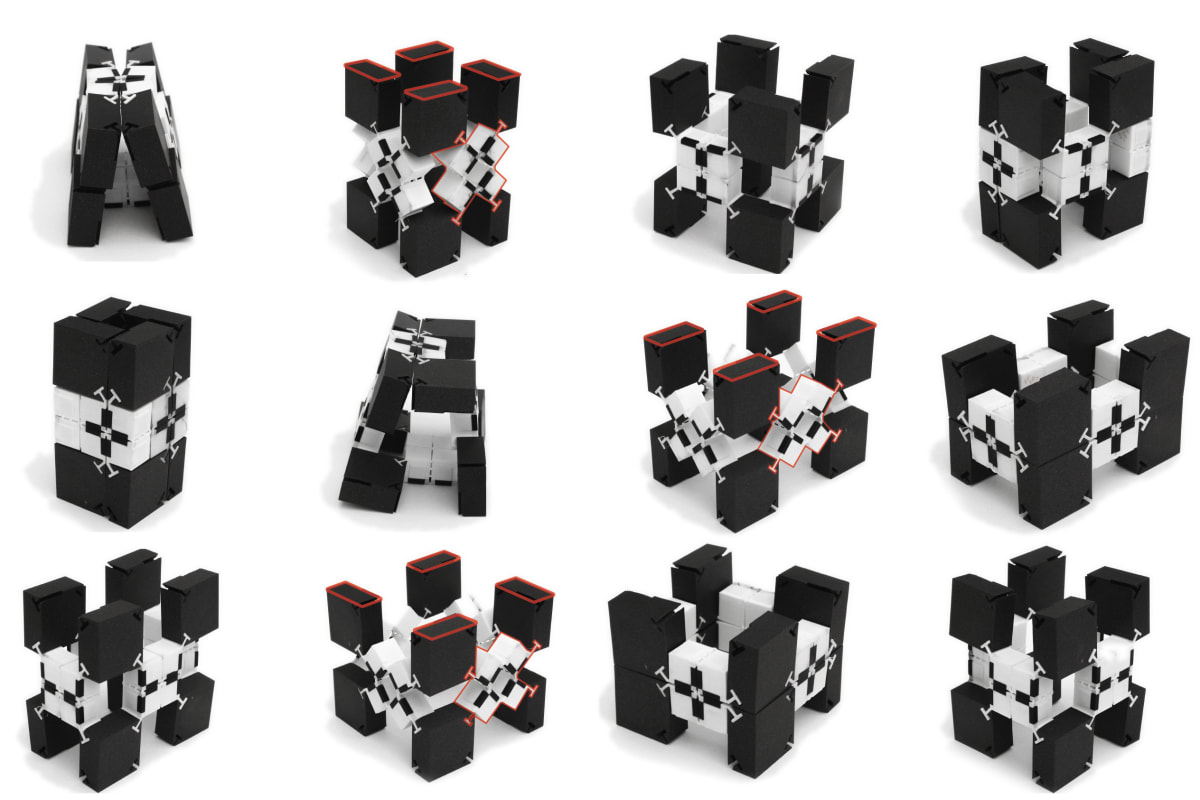
Scientists just invented a way to 3D-print fabrics that can bend, stretch, and even heal themselves, opening doors for smarter clothing and medical devices. The breakthrough gives designers unlimited freedom to create materials that move with our bodies.
Imagine a bandage that stretches perfectly with your skin, or a shirt that responds to your movements like a second layer of tissue. MIT engineers just made that future possible with a groundbreaking design tool that 3D-prints flexible, woven materials unlike anything we've had before.
For decades, metamaterials have mostly meant one thing: strong, rigid structures. But a team from MIT's Department of Mechanical Engineering just flipped the script, creating soft, stretchy materials that behave in totally new ways.
These aren't your grandmother's woven fabrics. The new materials use intertwined fibers that touch and tangle in precise patterns, giving them properties impossible to achieve with traditional weaving machines. Think of them as smart textiles that can be programmed to stretch in one direction, resist tearing in another, or change shape as you move.
"Normal knitting or weaving have been constrained by the hardware for hundreds of years," says Carlos Portela, associate professor of mechanical engineering at MIT. "But that changes if hardware is no longer a limitation."
The real magic happens in the design software. The team created an algorithm that lets anyone design these complex woven structures on a computer, then print them directly on a 3D printer. No expensive machinery, no centuries-old limitations.
Lead researcher Molly Carton, now at the University of Maryland, explains what makes this special: "Until now, these complex 3D lattices have been designed manually, painstakingly, which limits the number of designs that anyone has tested." The new tool automates the process, letting designers create unlimited variations in minutes.
The materials can be tailored to be soft in one spot and firm in another, all within the same piece of fabric. Even more impressive, the software can predict exactly how these materials will stretch, tear, or deform under stress. That means designers can build in specific failure points or reinforced areas wherever needed.
The Ripple Effect
The applications reach far beyond fashion. Doctors could use these materials for wearable sensors that move naturally with skin, making medical monitoring more comfortable and accurate. Soft robotics engineers finally have materials that can grip delicate objects without crushing them.
Aerospace and defense industries are already interested in fabrics that can adapt to extreme conditions. Flexible electronics could finally become truly wearable, bending and stretching without breaking circuits. Even everyday clothing could become smarter, adjusting support and comfort based on how you move.
The team published their findings in Nature Communications and made their design code open source. That means researchers, designers, and entrepreneurs anywhere can start creating their own versions right now. The tool works with existing 3D printers, making the technology accessible to universities and small companies, not just major corporations.
What started as a scientific challenge has become a practical toolkit for designing the future of flexible materials. From medical devices that heal alongside human tissue to athletic wear that supports muscles in real time, the possibilities are just beginning to unfold.
More Images


Based on reporting by Phys.org - Technology
This story was written by BrightWire based on verified news reports.
Spread the positivity!
Share this good news with someone who needs it