MIT Creates Gel That Delivers Drugs to the Esophagus
MIT engineers developed a breakthrough gel that coats the esophagus and delivers medicine directly where it's needed, offering hope to people with painful inflammatory conditions. The innovation could replace harsh immunosuppressant drugs with targeted treatment that has fewer side effects.
Swallowing food should be simple, but for people with esophageal inflammation, it can become impossible.
MIT engineers just solved a problem that's plagued medicine for years. They created a gel-like drug formulation that delivers medication directly to the esophagus, a notoriously difficult part of the body to treat.
The challenge has always been that pills and liquids rush through the esophagus too quickly to work. The tissue lining is also extremely resistant to absorbing medication. Until now, doctors had to prescribe powerful immunosuppressant drugs that travel through the whole body, causing unwanted side effects like increased infection risk.
Giovanni Traverso, an MIT professor and gastroenterologist at Brigham and Women's Hospital, led the team behind this breakthrough. "There are many people with esophageal disease, and drugs for these conditions are very limited in their ability to target this part of the body," he explains.
The new formulation works through clever chemistry. The team tested about 100 different compounds to find ingredients that could temporarily loosen the tight barriers between esophageal cells. They discovered that two bile salts, when combined, create just enough space for medicine to pass through without causing harm.
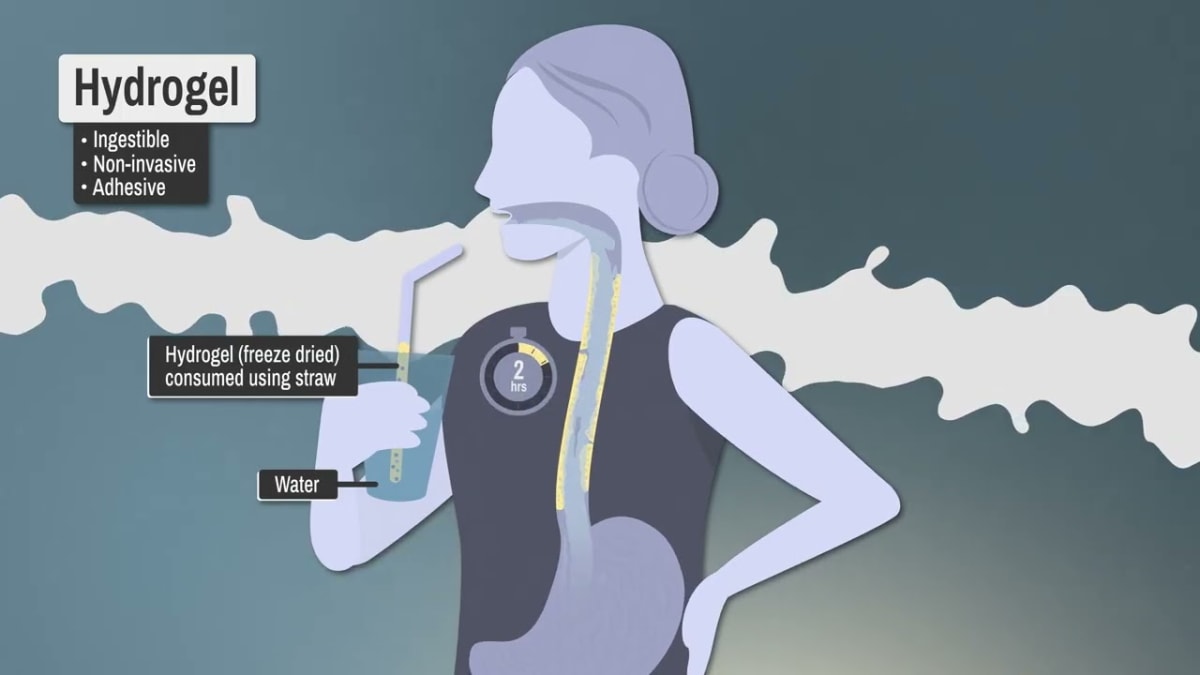
These salts get mixed into a thick hydrogel that sticks to the esophageal lining after you swallow it. The gel stays in place long enough for the medicine to be absorbed where it's needed most.
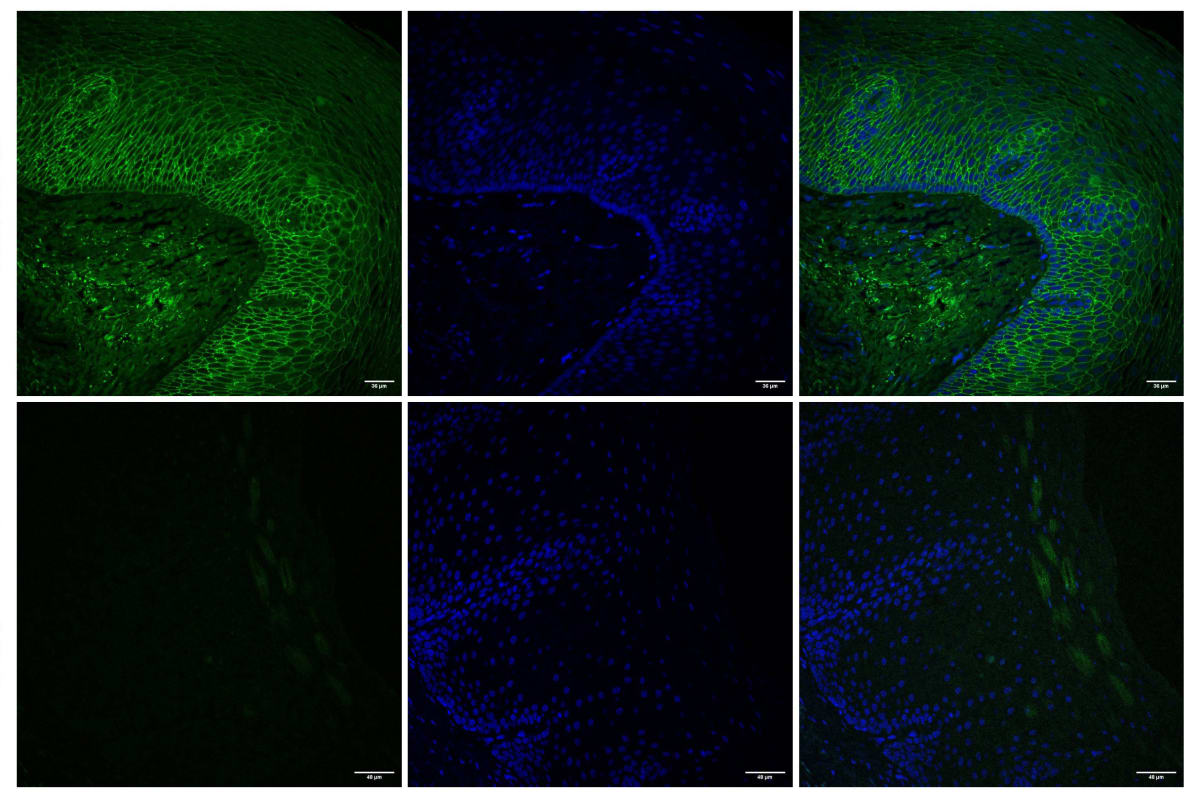
The researchers built a special testing system that mimics real esophageal tissue to prove their concept works. They can now measure exactly how much medication passes through and adjust the formulation accordingly.
This could transform treatment for eosinophilic esophagitis, a condition where food allergies cause the esophagus to swell and close up. It might also help people with Crohn's disease affecting the esophagus. Currently, these patients take infliximab, a drug that suppresses the entire immune system.
The study, published in Nature Biomedical Engineering, shows the gel can deliver antibodies and other medications directly to inflamed tissue. Lead author Christina Karavasili, now a professor in Greece, helped demonstrate that the formulation works without damaging healthy tissue.
The Ripple Effect
Beyond esophageal conditions, this platform opens doors for treating other hard-to-reach parts of the digestive system. The same approach could potentially deliver vaccines, cancer treatments, or biologics that currently require injections or infusions at a doctor's office.
Patients could take their medicine at home as a simple swallow instead of scheduling clinic visits for uncomfortable injections. The reduced side effects mean better quality of life and fewer complications from treatment.
The research team hopes this will encourage development of more localized treatments for digestive disorders. When medicine goes exactly where it's needed, healing becomes more effective and life becomes more comfortable.
Better treatments for inflammation mean more people able to enjoy meals with family again.
More Images
Based on reporting by MIT News
This story was written by BrightWire based on verified news reports.
Spread the positivity!
Share this good news with someone who needs it