MIT Creates Light-Activated Gel for Soft Robotics
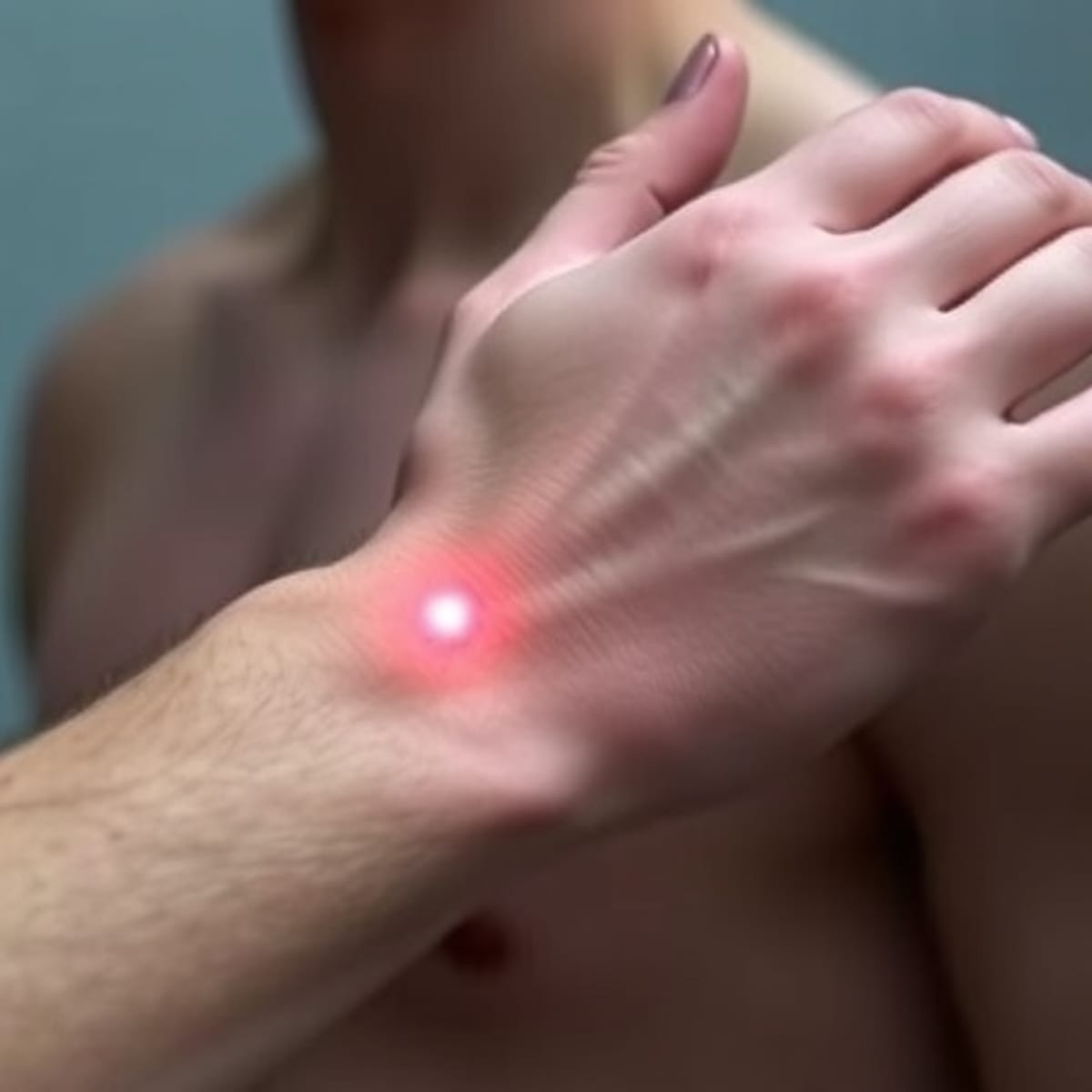
Engineers at MIT have developed a flexible gel that becomes 400 times more conductive when exposed to light, opening doors for wearable tech that communicates directly with human tissue. This breakthrough could revolutionize how machines interact with our bodies.
Imagine a world where your smartwatch doesn't just sit on your skin but actually speaks the same language as your cells.
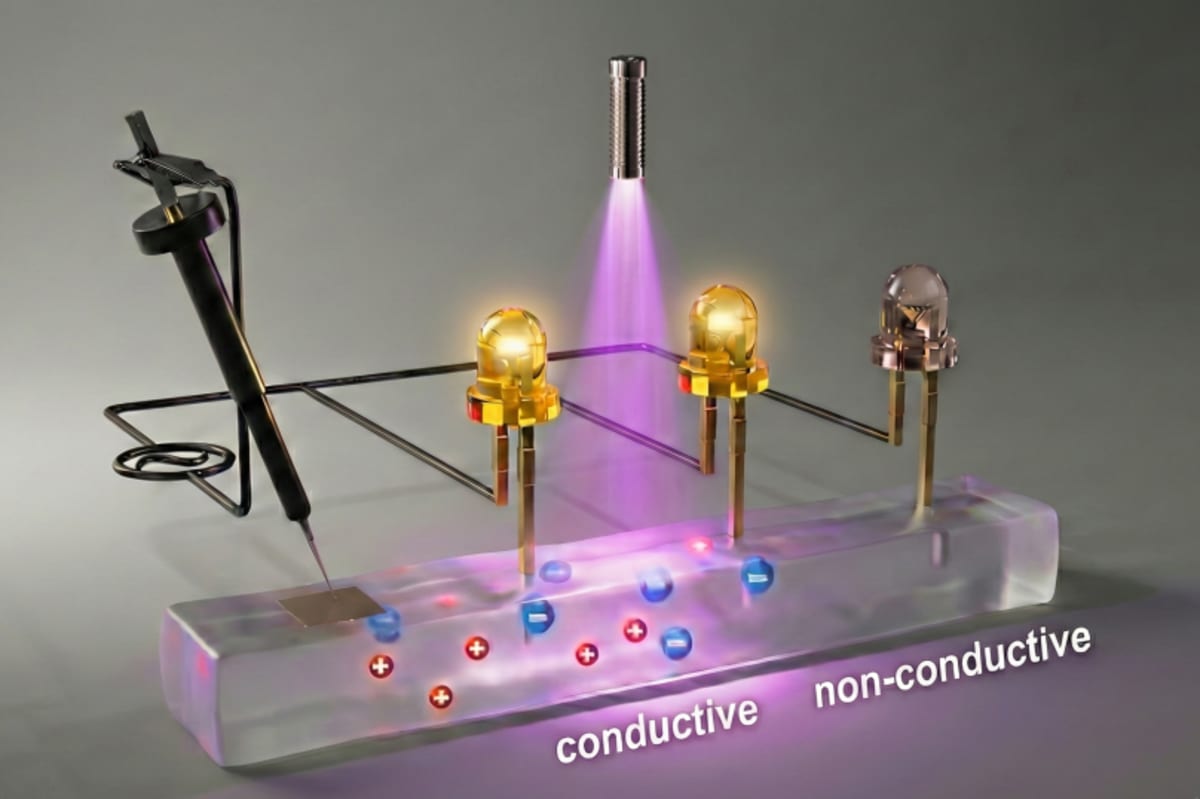
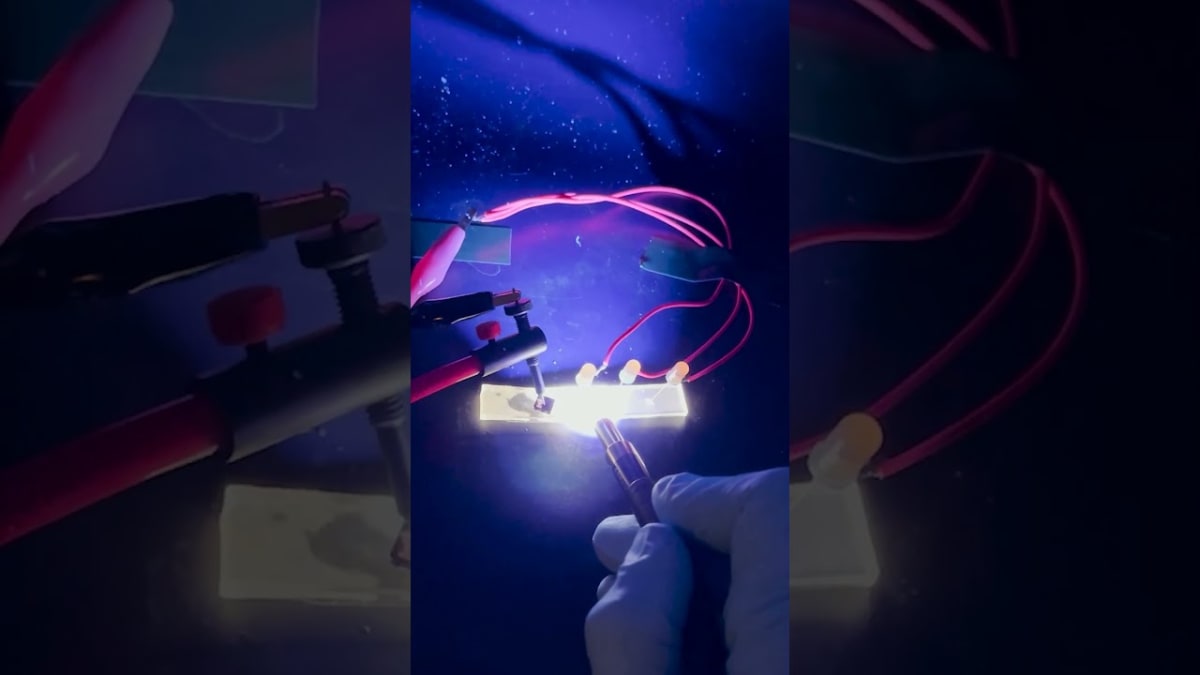
MIT engineers just brought that future closer by creating a soft, flexible gel that transforms from an insulator to a highly conductive material when light hits it. The change is dramatic: 400 times more conductive in an instant.
The secret lies in bridging two different worlds. Our bodies run on ions, those charged particles that help our cells communicate. Electronics, on the other hand, rely on electrons flowing through rigid circuits.
This new gel operates in the growing field of ionotronics, where information travels through ions instead of electrons. That means it can potentially connect seamlessly with biological tissue, speaking the body's native electrical language.
Thomas Wallin, who leads the research at MIT's Department of Materials Science and Engineering, says the team found a way to dynamically control ion populations in soft materials. The system can automatically respond to changes in light, enabling complex signal processing without rigid electronics.
The breakthrough came from incorporating materials called photo-ion generators into polyurethane rubber. Researcher Xu Liu, who is now headed to King's College London, notes they've only scratched the surface with one type of these generators, one polymer, and one solvent.
Why This Inspires
This research represents something bigger than just another lab experiment. It's about erasing the boundaries between living systems and technology in ways that feel natural rather than invasive.
The applications stretch across multiple fields that touch everyday lives. Soft wearable technology could monitor health without uncomfortable rigid sensors. Human-machine interfaces might help people with disabilities control devices as naturally as moving their own limbs. Biocompatible devices could work inside the body without causing irritation or rejection.
Liu's team is already thinking beyond light activation. Future versions might respond to heat, magnetism, or other environmental triggers. They envision an entire subfield they're calling "soft photo-ionotronics."
Right now, the conductivity change is permanent once light activates it. But Liu feels confident that future versions will switch back and forth between insulating and conducting states, making the material even more versatile.
The research, published in Nature Communications as an open-access paper, represents collaboration between MIT and Meta's Reality Labs. That partnership hints at real-world applications already in development.
For anyone who's ever felt constrained by bulky electronics or wished for technology that works more naturally with the human body, this gel offers a glimpse of a softer, more comfortable future.
More Images
Based on reporting by MIT News
This story was written by BrightWire based on verified news reports.
Spread the positivity!
Share this good news with someone who needs it