MIT Creates Living Computer Circuits From Bacteria
MIT engineers built the first biological circuit boards using bacteria that work like transistors, opening doors for plants that could sense drought or pests and respond on their own. The breakthrough connects simple living cells into complex computing systems that perform calculations.
Scientists just turned bacteria into tiny living computers that could one day protect crops from the inside out.
Researchers at MIT engineered bacteria to function as transistors, the on-off switches that power every computer chip. By connecting these bacterial switches together, they created living circuit boards that can perform complex calculations right on a petri dish.
The team designed two different bacterial transistors and three relay strains that pass information between them. These five building blocks can combine to create almost any type of circuit, just like the components in your phone or laptop.
Instead of electricity, these biological circuits use small molecules that flow between bacterial colonies. One transistor switches on when it detects a specific molecule, while another switches off. They then send signals to neighboring colonies, which relay the information forward like a biological assembly line.
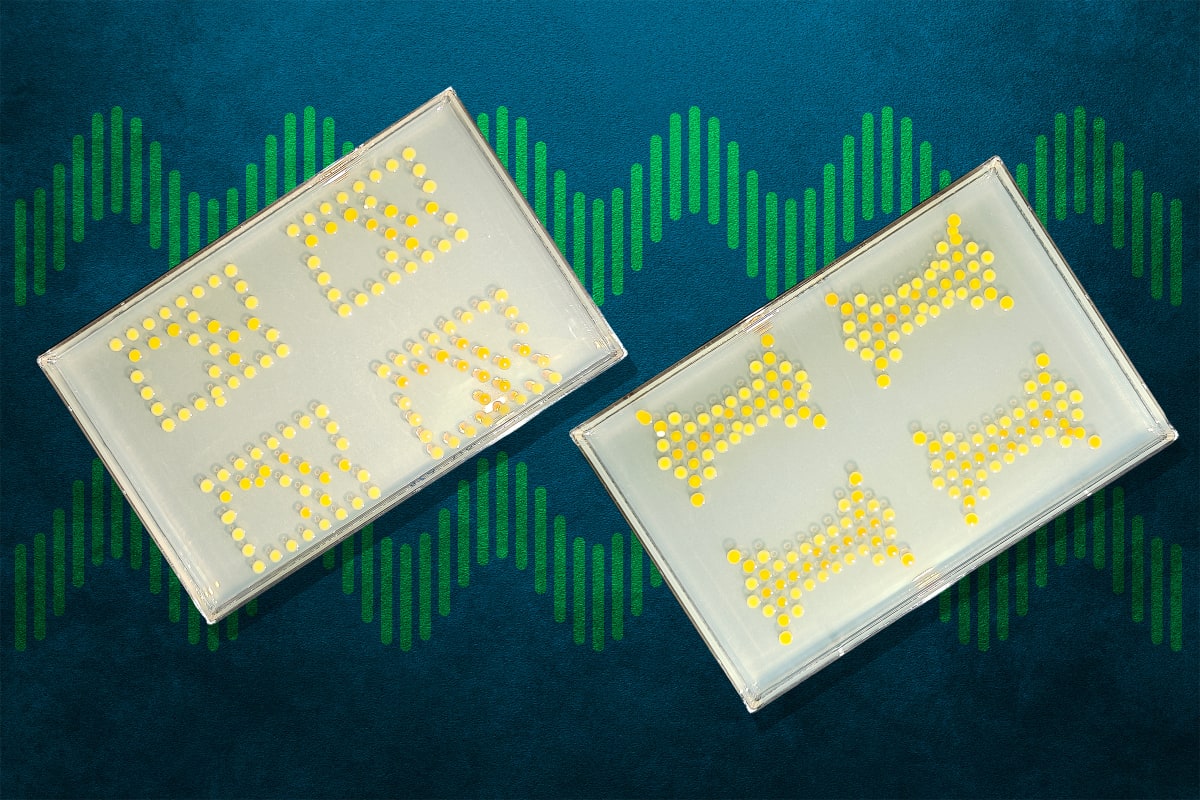
The researchers printed bacteria onto growth medium in patterns spaced about 5 millimeters apart. This spacing ensures signals travel only to the nearest colony, directing information flow in one specific direction through the circuit.
Lead author Hamid Doosthosseini and his team demonstrated circuits that can add numbers, process multiple signals at once, and route information to different destinations. Their largest circuit contains 24 bacterial colonies working together to add two inputs.
The bacteria they chose, Pantoea agglomerans, naturally grows on plant surfaces. That's no accident.
The Ripple Effect
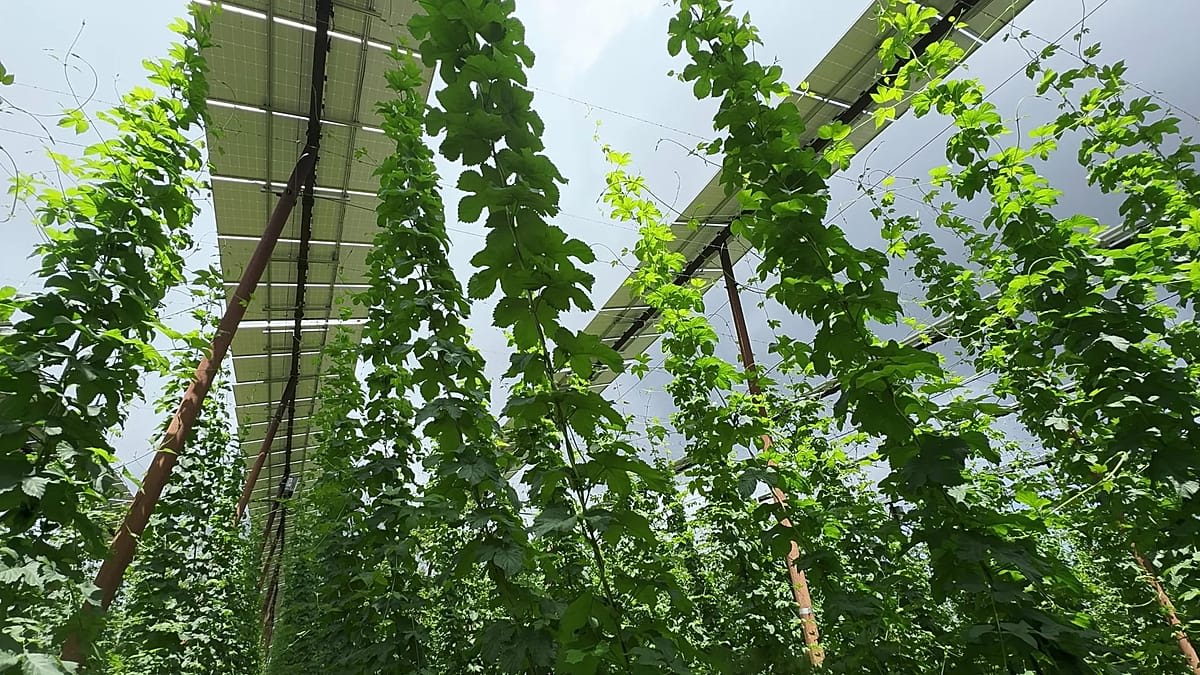
This breakthrough could transform agriculture in ways that sound like science fiction. Imagine coating plant leaves or roots with these living circuits, creating crops that compute their own survival strategies.
These bacterial computers could sense environmental threats like drought, disease, or insect attacks, then trigger protective responses automatically. A plant might detect water stress and adjust its own defenses before visible damage occurs.
The approach solves a major problem in synthetic biology. Previous biological circuits crammed everything into single cells, which overwhelmed their protein-making machinery and limited complexity. By spreading functions across multiple bacterial colonies that work together, the MIT team bypassed these limitations entirely.
Each bacterial transistor performs one simple job, but connecting them creates sophisticated processing power. It's the same principle that makes your computer powerful: billions of simple switches working in concert.
The technology remains in early stages, growing in lab dishes over seven days. But the proof of concept shows that living organisms can perform the same logic operations as silicon chips.
Department head Christopher Voigt, who led the research published in Nature Chemical Biology, envisions scaling this approach to real-world applications. The building blocks now exist to design nearly any computational function using these five bacterial strains.
The next frontier isn't just smarter technology but living technology that grows, adapts, and computes right where it's needed most.
Based on reporting by MIT News
This story was written by BrightWire based on verified news reports.
Spread the positivity!
Share this good news with someone who needs it