MIT Discovers How Cells Turbocharge Their Own Growth Signals
Scientists at MIT have unlocked a cellular secret: enzymes that cluster into tiny droplets work faster and smarter. This discovery could revolutionize how we design cancer treatments.
Scientists just discovered that your cells have been using a clever chemistry trick to speed up their own reactions, and it could change how we fight disease.
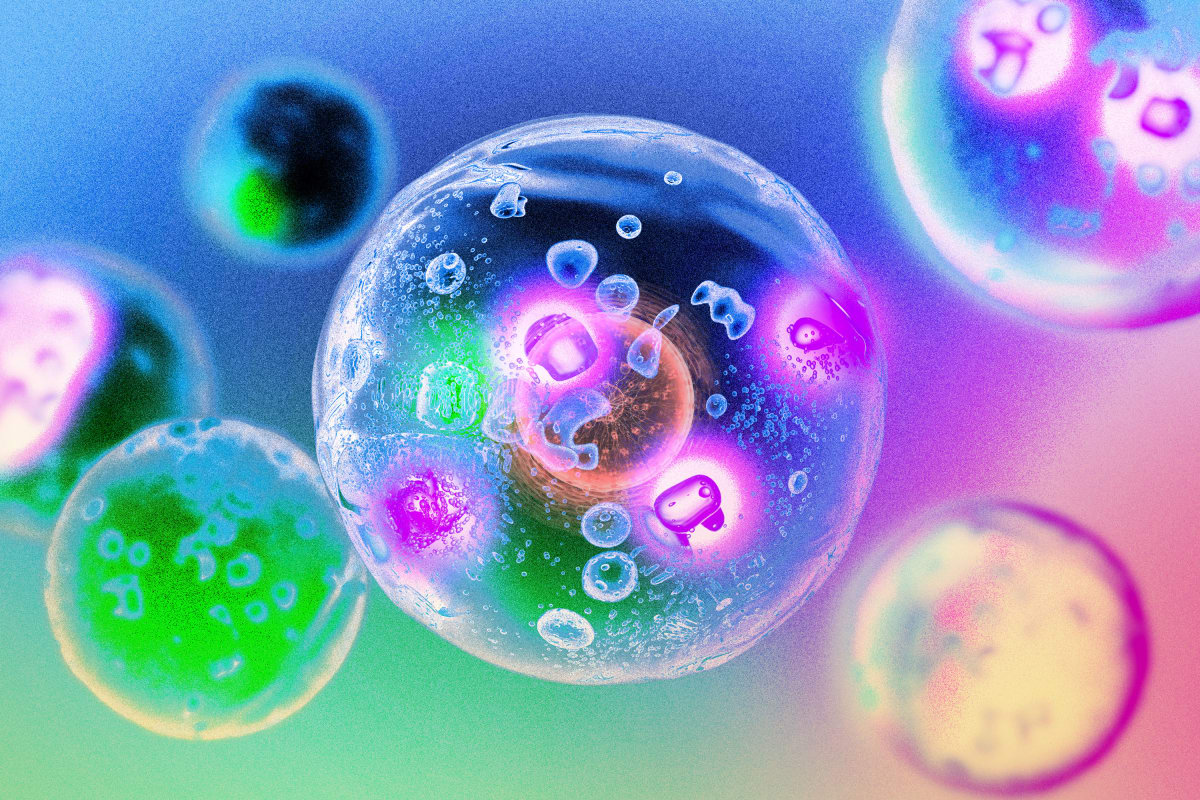
Researchers at MIT found that enzymes called kinases can squeeze themselves into microscopic droplets inside cells, similar to how oil beads up in water. When they do this, they work dramatically faster at sending important signals that tell cells when to grow and survive.
"Inside of the cell, you have these kinase molecules that are responsible for carrying a signal through the cell, and we know that the organization of these molecules changes," says Lindsay Case, an assistant professor of biology at MIT who led the study. The key insight is that having the right molecules in the right place makes all the difference.
The team focused on an enzyme called focal adhesion kinase, or FAK. Normally, FAK activates when cells attach to their surroundings, sending signals that it's safe to grow. But the researchers discovered something surprising: when FAK molecules get concentrated enough, they automatically form droplets and turn on growth signals even without the usual activation trigger.
Think of it like guests at a party. Spread out across a large room, people rarely bump into each other. But squeeze everyone into a small space, and suddenly interactions happen constantly. That's exactly what these droplets do for cellular reactions.
This finding matters beyond basic science. In cancer cells, FAK is often overproduced. The new research suggests this overproduction might cause unwanted droplet formation, creating an "always on" growth signal that helps cancer spread. Understanding this could help scientists design drugs that specifically target these droplets or prevent them from forming.
Why This Inspires
This breakthrough reveals that nature has been using nano-engineering for billions of years. Cells aren't just bags of randomly floating molecules. They're incredibly organized, using phase separation to create temporary workspaces exactly where and when they're needed.
The discovery opens doors for smarter medicine. If scientists can understand what goes into these droplets and what stays out, they can design drugs that reach their targets more effectively. It's like finally getting the instruction manual for cellular organization.
What makes this especially exciting is how a fundamental discovery about cell biology could translate into real treatments for patients struggling with cancer.
The research shows that sometimes the biggest medical breakthroughs come from simply watching cells do what they naturally do best.
Based on reporting by MIT News
This story was written by BrightWire based on verified news reports.
Spread the positivity!
Share this good news with someone who needs it