MIT Doubles Israeli Research Program Despite Campus Tensions
MIT's Kalaniyot program, launched to bridge divides during Middle East conflict debates, just welcomed its second cohort of scholars from Israel. The faculty-led initiative now spans all five MIT schools, proving that academic collaboration can flourish even in polarized times.
A bold experiment in bringing people together through science is growing at MIT, even as debates about Middle East politics divide campuses nationwide.
The MIT-Kalaniyot program just welcomed 11 new scholars from Israel to campus for its second year. What started as an idea on a drawing board less than two years ago now connects researchers across mathematics, materials science, behavioral economics, architecture, history, chemistry, quantum computing, and cellular biology.
Physics professor Or Hen and biological engineering professor Ernest Fraenkel founded the program as a constructive response to campus discord over Middle East conflict. Instead of arguments, they chose action. Instead of division, they built bridges through research.
"We designed Kalaniyot to strengthen MIT's research and its community at the same time," says Fraenkel. The results speak for themselves: scholars now work in each of MIT's five schools, and MIT faculty from across campus have stepped forward as research hosts.
The program welcomes both postdoctoral fellows and visiting professors from all nine of Israel's state-recognized universities. Scholars come from diverse backgrounds, including both Arab and Jewish citizens of Israel. Competition is fierce, with far more applicants than available positions.
Once at MIT, the scholars become fully embedded in labs and departments, working alongside regular MIT researchers. They're treated exactly like any other academic at the Institute, collaborating on real problems and producing real results. Hen has already co-authored a paper that emerged directly from program discussions.
The Ripple Effect
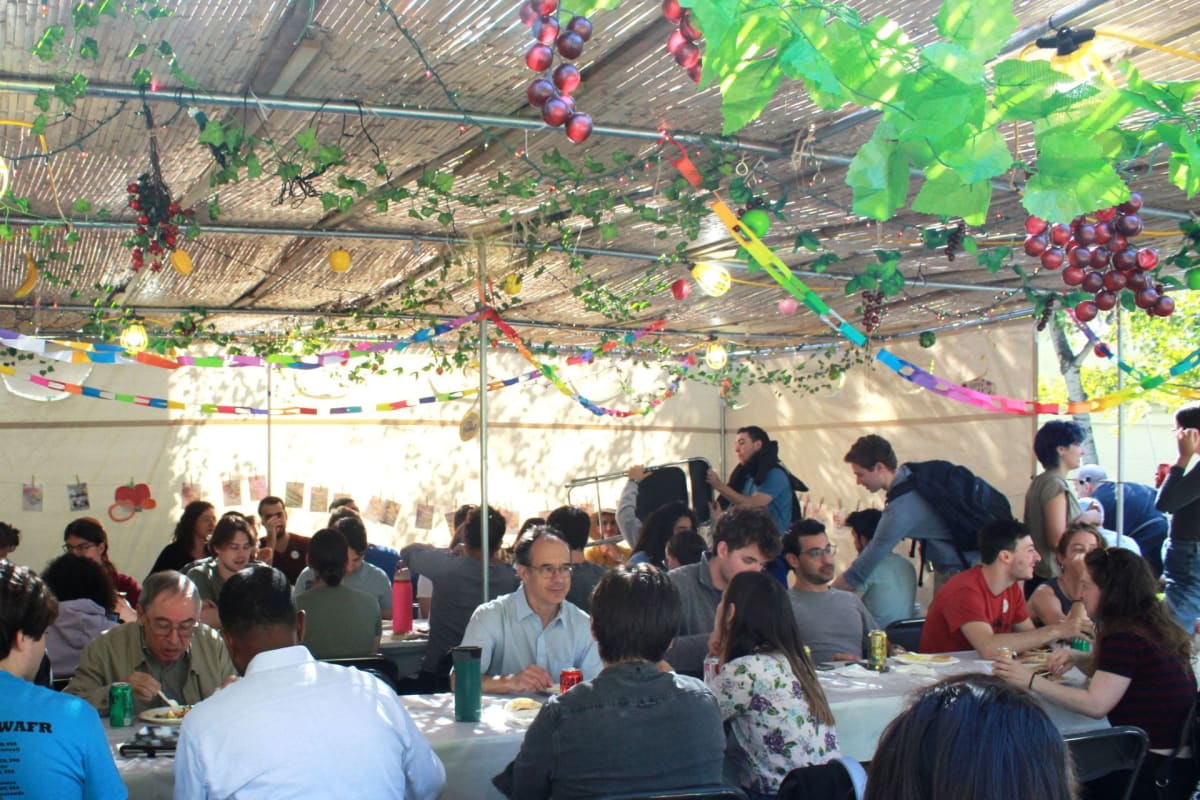
Beyond individual research projects, MIT-Kalaniyot is building something harder to measure but equally valuable: genuine community. Weekly lunches bring together scholars and the wider MIT community for connection and friendship. Informal academic talks spark unexpected collaborations across disciplines.
"We're all about finding practical solutions to society's biggest problems," Fraenkel says. "Kalaniyot brings extraordinary people here to do exactly that, and the whole Institute is stronger for it."
The program's success required buy-in from MIT's leadership, who understood the value of faculty-led initiatives. That institutional backing, combined with grassroots enthusiasm, created space for the program to thrive. Named for a flower that grows throughout the region, Kalaniyot represents growth even in difficult soil.
Hen reflects on what the program has achieved: "MIT today is home to one of the most accepting and welcoming communities for Israelis. The way our community grew these past years is remarkable."
The expansion to 11 new scholars this fall proves that building bridges works better than building walls, even when the world outside feels divided.
Based on reporting by MIT News
This story was written by BrightWire based on verified news reports.
Spread the positivity!
Share this good news with someone who needs it