MIT Drug Cuts Lung Cancer Risk in Early Trials
MIT researchers discovered that blocking a single inflammatory enzyme dramatically reduces lung tumor formation in mice, opening the door to preventing cancer before it starts. The drug is already in clinical trials for other diseases.
Imagine taking a pill that stops cancer before it ever begins. MIT scientists just moved that dream closer to reality by identifying an enzyme that fuels lung cancer development.
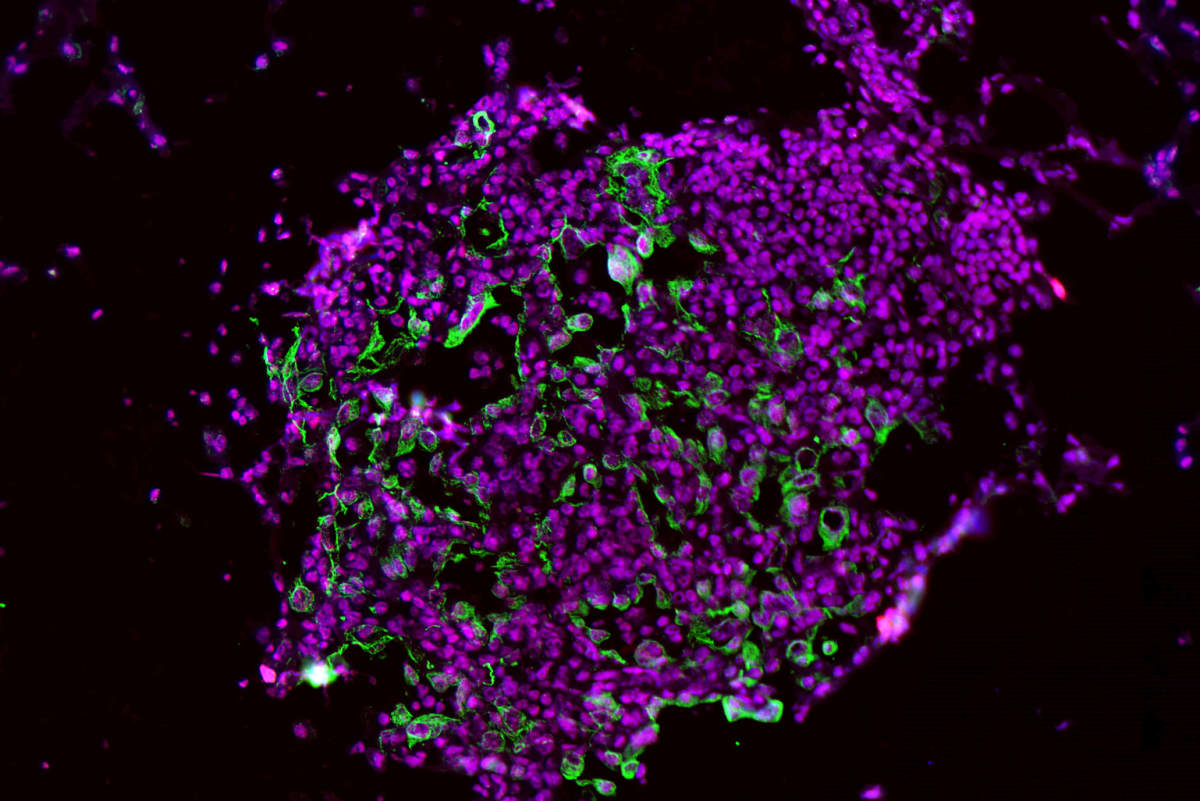
The enzyme, called caspase-1, drives inflammation that helps tumors take root in lung tissue. When researchers blocked it with a small molecule drug, mice at high risk for lung cancer were far less likely to develop tumors.
Lung cancer kills over 100,000 Americans every year, making it the deadliest cancer in the United States. Smoking causes most cases, but environmental exposures and genetic factors put many others at risk too.
The discovery builds on surprising findings from a 2017 heart disease trial. Patients taking an anti-inflammatory drug to prevent strokes unexpectedly developed lung cancer at lower rates, suggesting that targeting inflammation could intercept cancer early.
Sangeeta Bhatia, a professor at MIT's Koch Institute for Integrative Cancer Research, saw an opportunity. Her team had spent years developing tiny sensors that detect proteases, enzymes that help cancer cells break through tissue barriers and guide inflammatory responses.
They adapted these sensors to track which proteases were most active in early lung cancer development. Caspase-1 stood out as a key player, activating the same inflammatory pathway that the 2017 trial had targeted.
The team tested their theory in mice engineered to develop lung cancer. Treating these high-risk mice with a caspase-1 inhibitor dramatically reduced tumor formation.
The Bright Side
The drug they used is already being tested in humans for other inflammatory conditions. That means safety data exists, potentially speeding the path to testing it as a cancer prevention tool.
Bhatia envisions a future where people at high risk get screened, then take preventative medicine to intercept cancer before symptoms appear. This approach, called cancer interception, could save millions of lives by stopping the disease at its earliest stages.
The research especially offers hope for people who have never smoked but still face elevated cancer risk from environmental exposures or genetic factors. Traditional screening catches tumors after they form, but this strategy could prevent them from developing at all.
Clinical trials in high-risk patients could begin within the next few years, bringing the promise of cancer prevention one step closer to reality.
Based on reporting by MIT News
This story was written by BrightWire based on verified news reports.
Spread the positivity!
Share this good news with someone who needs it