MIT Engineers Create $20 Wearable That Cools Like AC
Four MIT teams just cracked one of climate change's deadliest problems: keeping people cool without wrecking the planet. Their breakthrough inventions use 97% less power than traditional air conditioning.
When MIT professor Kripa Varanasi stepped off a plane in New Delhi at midnight in June 2024, the thermometer read 104 degrees. Daytime temperatures would climb to 122 degrees, forcing him to stay inside his hotel for the entire conference.
"When I grew up in India, it was not like this," Varanasi says. That sweltering trip sparked an idea that became one of four groundbreaking cooling projects now offering hope to billions facing deadly heat.
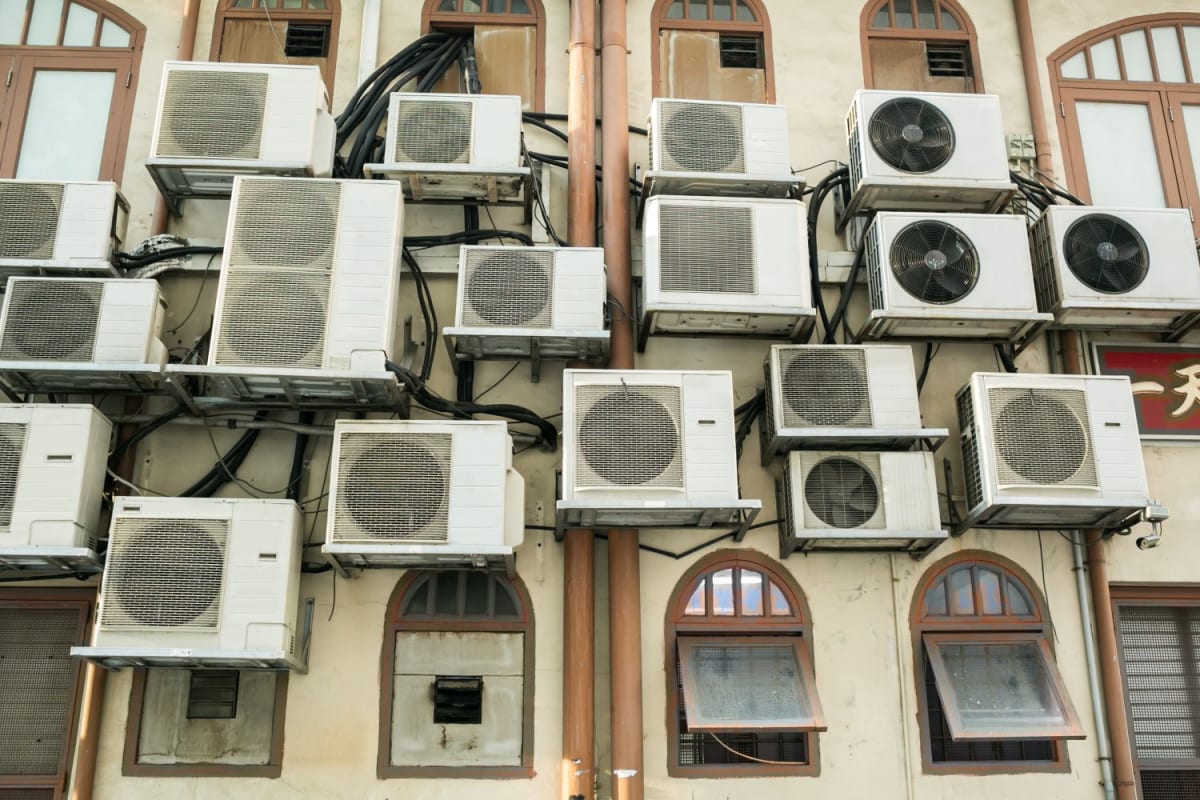
The MIT Climate Project awarded $450,000 in seed grants to tackle what researchers call "critical cooling." Right now, only 8% of people worldwide have access to air conditioning, yet existing AC units already contribute up to 4% of global warming emissions. As temperatures rise and demand triples in coming years, we're facing a dangerous catch-22.
Varanasi's solution thinks smaller and smarter. His team designed a wearable cooling device inspired by elephant ears, which naturally dissipate heat to cool blood. The prototype uses just 33 watts of power compared to a typical air conditioner's 1,000 watts. At U.S. prices, each device would cost only $20 to produce.
Gang Chen, a professor of power engineering, attacked the refrigerant problem head-on. Traditional AC units leak hydrofluorocarbons, greenhouse gases far more potent than carbon dioxide. His new chemical refrigerant has zero greenhouse impact and could transform cooling for homes and massive data centers alike.
Professor Yet-Ming Chiang explored an entirely different approach using subsurface wells filled with heat-absorbing materials. His system delivers cool air to apartment buildings and homes in India and across the Global South while consuming far less energy than conventional heat pumps.
Asegun Henry's team went even more radical, replacing chemical refrigerants with plain rubber and water. The cheap, abundant materials create a cooling effect without any harmful emissions.
Why This Inspires
These innovations target the people who need them most. Heat-related deaths strike hardest among vulnerable populations in the Global South who lack access to cooling and reliable electricity. By focusing on "cooling people, not spaces," these engineers are directly saving lives.
The projects grew from a workshop bringing together World Bank representatives, Global South leaders, industry experts, and engineers. All four teams produced working prototypes in just six months, and MIT is now seeking funding to develop the concepts further.
As Chen notes, the air conditioning market will triple or quadruple in coming years. These breakthroughs arrive at exactly the right moment, offering a path to keep people safe without cooking the planet in the process.
Based on reporting by MIT News
This story was written by BrightWire based on verified news reports.
Spread the positivity!
Share this good news with someone who needs it