MIT Expands Invention Education Across 19 US Schools
MIT is transforming how American students learn by turning classrooms into hubs of real-world invention from kindergarten to college. A new grant initiative across three regions equips 19 schools and colleges to guide young innovators as they build solutions and earn patents.
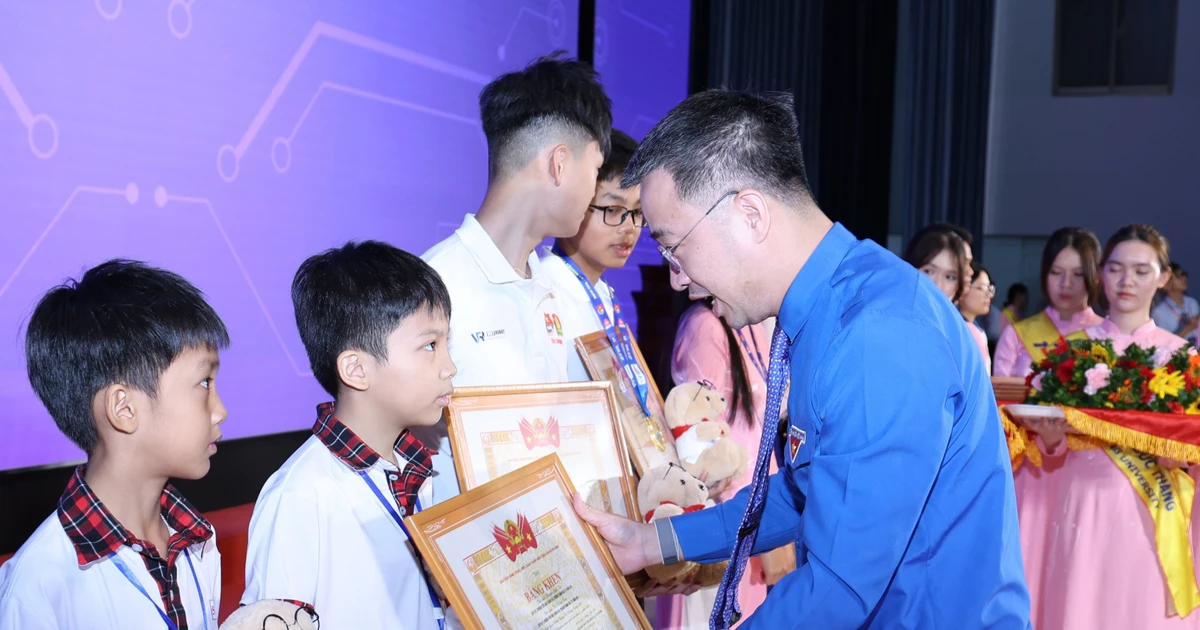
Imagine walking into a second-grade classroom and seeing children sketching blueprints to solve everyday problems in their hometowns. That creative spark is now becoming a permanent part of the school day for thousands of students across the country.
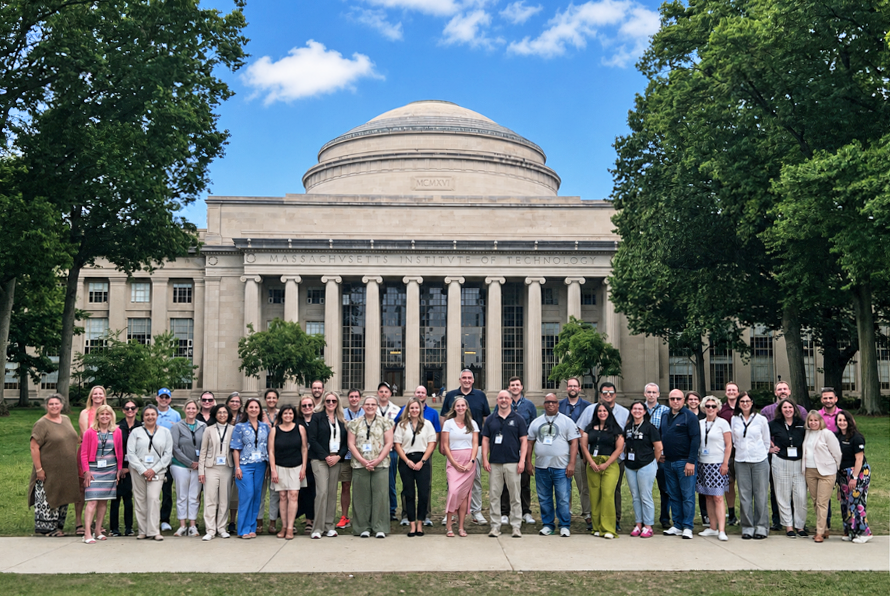
The Lemelson-MIT Program has awarded multiyear grants to 19 schools, districts, and colleges across Northern California, Tennessee, and New England. This initiative creates seamless invention pathways that follow learners from their first days in kindergarten straight through college graduation.
Instead of treating engineering as an occasional science fair project, these schools integrate hands-on prototyping into standard classes. Students collaborate in teams to identify community challenges, design working models, and test functional solutions.
Faculty director Michael Cima notes that understanding genuine human needs forms the bedrock of great product design. By starting in elementary school, children learn to ask who they are designing for long before touching raw materials.
The approach also breaks down barriers for groups historically underrepresented in science and engineering careers. Previous high school participants in the program have already secured 24 U.S. patents for their student-led inventions.
The Ripple Effect
When schools prioritize hands-on problem-solving, local communities gain energetic partners eager to fix civic issues. Students discover that their ideas carry weight, shifting their identity from passive consumers of technology to proactive inventors.
Regional colleges and nearby employers also gain access to graduates equipped with both technical know-how and vital human empathy. These young makers enter the workforce already knowing how to collaborate, communicate, and bounce back from design failures.
By trusting young minds with real tools and real problems, this initiative proves that the next great breakthrough can come from any desk in any classroom.
Based on reporting by MIT News
Building Something New? Try the BrightWire Tech Stack Advisor
Compare modern frameworks, cloud hosting, and AI tools tailored to your project budget and scale.
Spread the positivity!
Share this good news with someone who needs it