MIT Leadership Program Transforms Student Engineers Into Leaders
MIT students running ambitious engineering projects are discovering that technical skills alone aren't enough. A specialized leadership program is helping them turn complex team challenges into competition wins.
Leading a team that designs solar-powered cars or formula-style race cars requires more than engineering knowledge. MIT students are learning that the hardest problems aren't always technical.
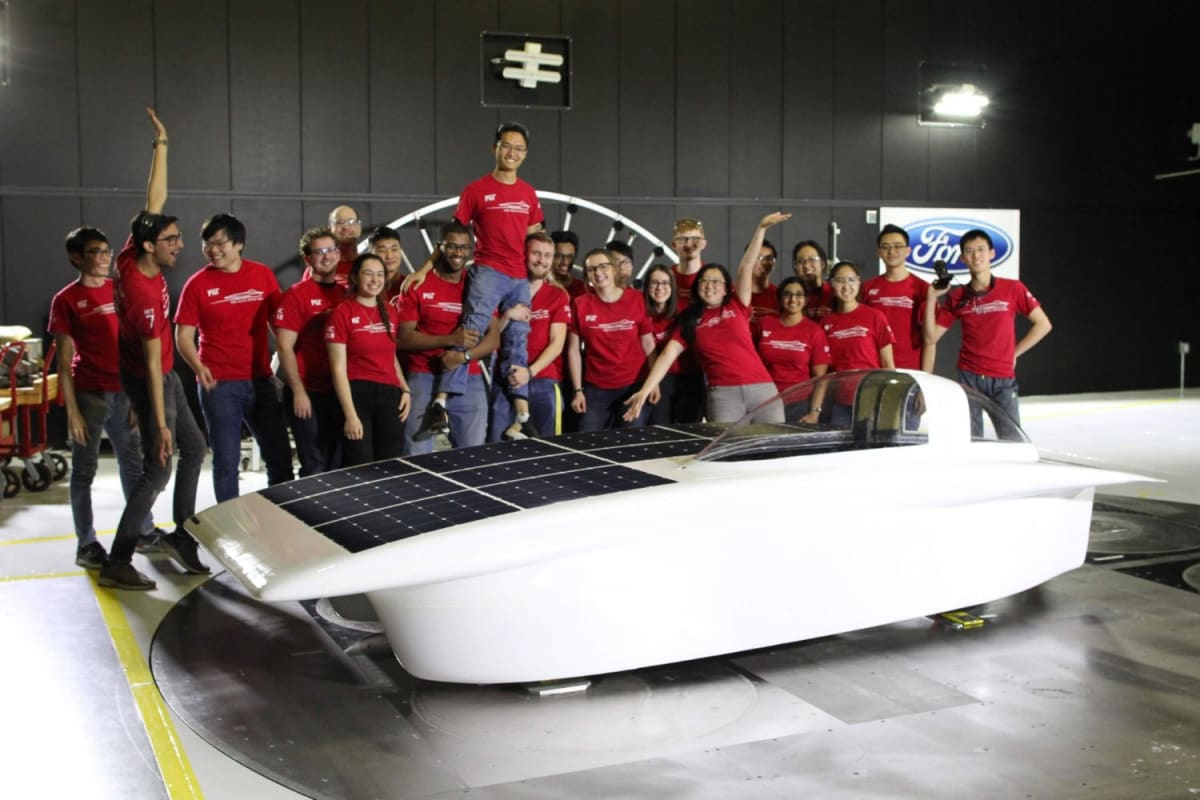
Francis Wang discovered this when he became captain of MIT's Solar Electric Vehicle Team. He had always focused on tidy engineering problems he could control alone. But managing a major project with dozens of moving pieces demanded different skills entirely.
Wang joined the Gordon Engineering Leadership Program, a one or two-year course that teaches juniors and seniors the teamwork, leadership, and communication abilities they need for real-world projects. The program combines hands-on labs with personalized coaching and mentoring.
"Before GEL, I saw the leadership parts of my role as a necessary evil to get to the actual interesting parts, which was the engineering," Wang admits. The program changed his perspective completely.
Each year, 30 to 40 students from MIT's Edgerton Center project teams join GEL. They come from robotics clubs, solar car teams, rocket teams, and combat robotics groups. These are entirely student-run organizations that handle everything from fundraising to risk mitigation.
Faris Elnager faced high-stakes decisions as testing lead on the Motorsports team. The choices he made about testing time directly affected how his team performed at competitions. GEL's weekly labs gave him a safe space to practice making tough calls before real consequences were on the line.
Senior Hailey Polson, former captain of the First Nations Launch team, puts it simply: "When you become the leader of a technical project, no one gives you a roadmap to team success."
The Ripple Effect
The benefits extend far beyond competition wins. Students apply their leadership training to capstone projects, internships, and their first jobs after graduation. Professor J. Kim Vandiver, director of the Edgerton Center, notes that MIT's best engineering students now combine GEL training with authentic project management experience.
Leo McGonagle, GEL's executive director, calls it a win-win-win situation. GEL gets motivated students intent on self-improvement, project teams perform better with trained leaders, and students gain abilities they'll use throughout their careers.
Wang's biggest lesson? Engineering leadership isn't a distraction from the real work. In the real world, any project worth doing is too large for one person to tackle alone.
The framework and language GEL provided helped him navigate challenges involving communication, coordination, and negotiation, not just technical problems. That mindset shift is preparing a new generation of engineers to lead, not just solve equations.
Based on reporting by MIT News
This story was written by BrightWire based on verified news reports.
Spread the positivity!
Share this good news with someone who needs it