MIT Opens Chip Lab to Community College Students
Twelve community college students spent two days building semiconductor chips in MIT's cutting-edge cleanroom, gaining hands-on experience that could launch careers in America's fastest-growing tech field. The program is bridging the gap between advanced manufacturing and students who rarely get access to elite facilities.
Community college students are learning to build the computer chips that power our modern world, thanks to a groundbreaking program at MIT that's throwing open the doors of its elite cleanroom.
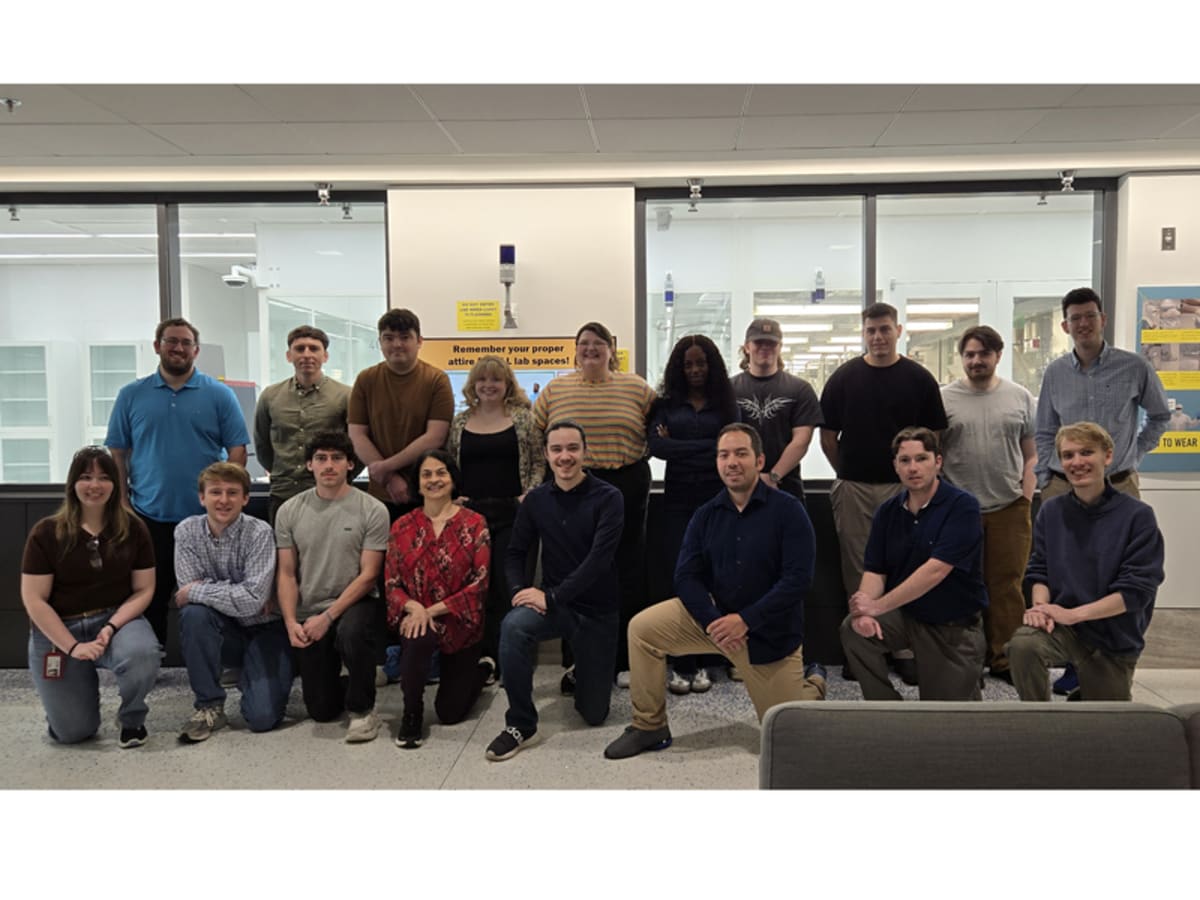
Twelve students from community colleges and four-year schools across the Northeast spent two full days in May at MIT.nano, the university's advanced fabrication facility. They operated die saws, die bonders, and wire bonders to build and test their own functional photonic chips, devices that use light instead of electricity to transmit data.
"For many of them, this is their first time stepping inside a cleanroom or seeing semiconductor manufacturing up close," says Marina Bograd, a professor at MassBay Community College. "The experience helps open doors that might otherwise feel out of reach."
The hands-on boot camp teaches integrated photonics, a critical skill for America's semiconductor industry. Anu Agarwal, the principal research scientist leading the program, explains there's no standardized university curriculum for this essential technology. Through the NCAIST program, she's creating new ways to teach these skills across all education levels.
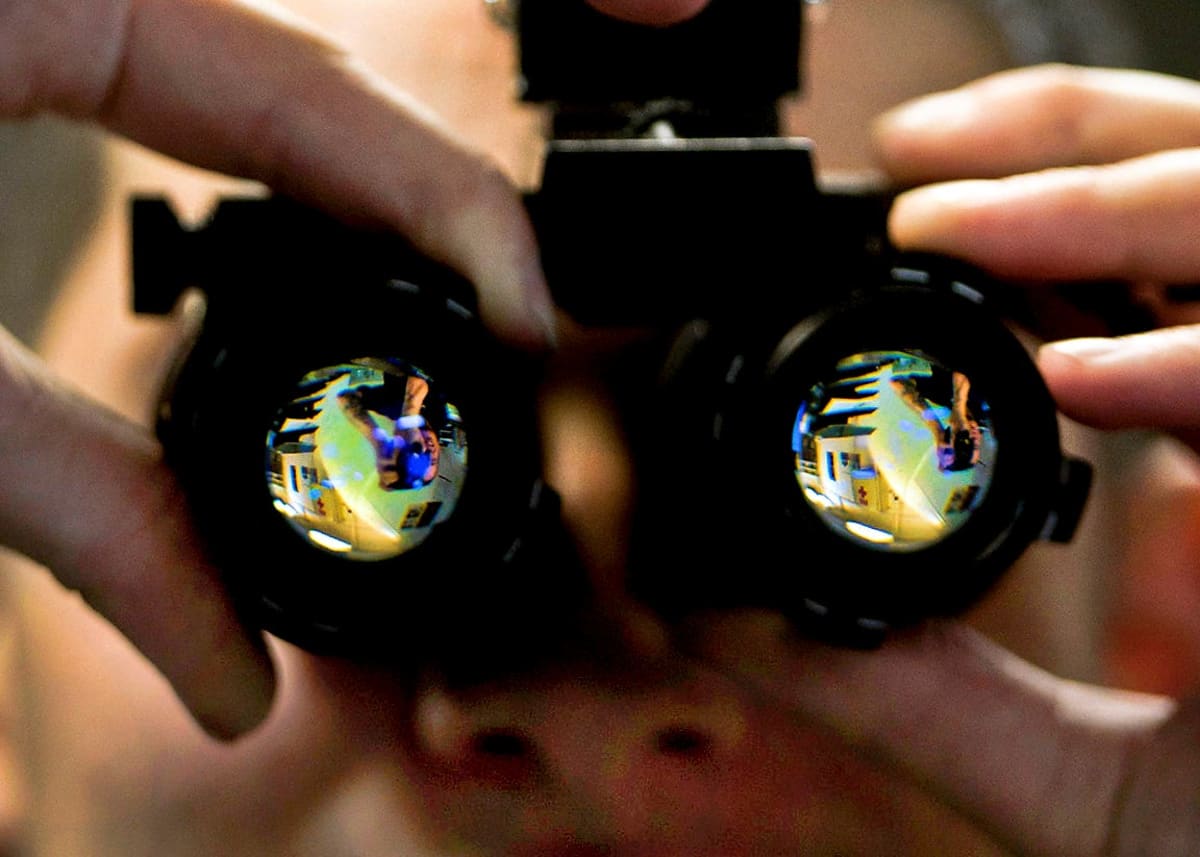
Students didn't just watch demonstrations. They attended safety lectures, learned about photonic circuit sensing, and even used virtual reality simulations to understand complex manufacturing processes. Then they got to work with the real tools, building chips from start to finish.
"I found the combination of hands-on activities, lectures, and informal discussion fostered an awesome learning environment," says Cari Caudill, a mechanical engineering student from North Shore Community College. "I loved getting direct experience with the tools."
Wyatt Maurer from MassBay Community College called the experience "exciting and illuminating," adding he appreciated learning about the future of photonics from leaders in the field.
The program pairs community colleges with research universities throughout Massachusetts and New York. MassBay Community College works with MIT, North Shore Community College with Stonehill College, and Springfield Technical Community College with Western New England University.
The Ripple Effect
This partnership matters beyond the dozen students who attended. America needs a skilled workforce to maintain its semiconductor industry and national security. By training community college students in advanced manufacturing, MIT is helping build a pipeline of talent that includes people who might never have imagined working in cutting-edge technology.
The program is part of MIT's Initiative for Knowledge and Innovation in Manufacturing, which is developing educational materials for students from kindergarten through college and beyond. Virtual reality simulations developed for the boot camp now serve as teaching tools that help students visualize photonic devices before they ever step into a cleanroom.
Students described their MIT experience as "spectacular" and "compelling," words that reflect how transformative it can be when elite institutions share their resources with schools that serve working-class communities.
These twelve students left MIT with more than technical skills: they left with confidence that careers in semiconductor manufacturing are within their reach.
Based on reporting by MIT News
This story was written by BrightWire based on verified news reports.
Spread the positivity!
Share this good news with someone who needs it