MIT President Tells 2026 Grads: Never Stop Being Curious
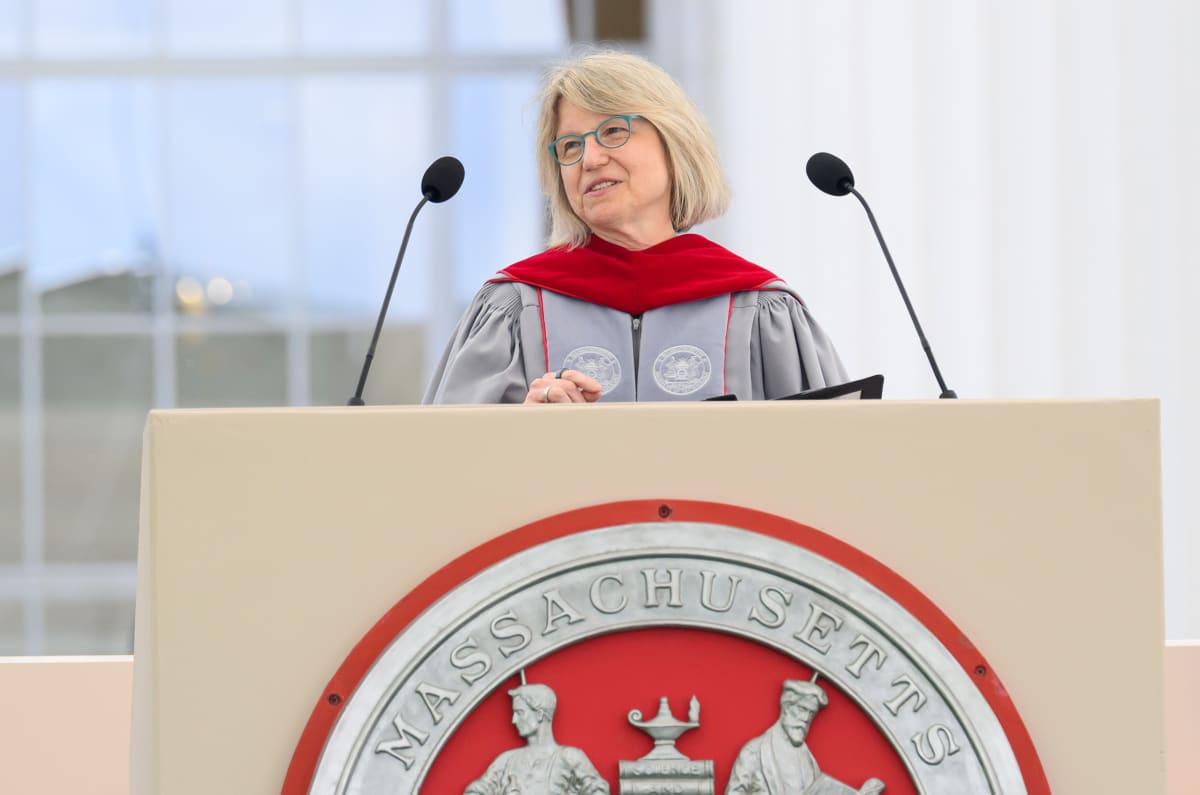
MIT President Sally Kornbluth delivered a powerful charge to graduates, calling curiosity "our intellectual rocket fuel" and urging them to champion discovery science that changes the world. Her message celebrated excellence without arrogance and the courage to fail on the path to breakthrough innovations.
When MIT President Sally Kornbluth faced thousands of graduates this week, she came armed with wisdom from alumni around the world who all said the same thing: MIT changed their lives not through a single class, but through its values.
At the top of those values sits excellence and curiosity, two forces Kornbluth says will serve graduates wherever they go. And at MIT, excellence isn't just a buzzword printed on brochures.
"I have never seen a community live its commitment to excellence the way it's done at MIT," Kornbluth told the Class of 2026. You feel it in the hallways when everyone wants to share their latest project that completely blows you away.
But here's what makes MIT different: excellence without arrogance. The university backs up its standards with no legacy admissions and no back-door entries for donors, choosing "potential over pedigree" every single time.
Kornbluth shared wisdom from poet Walt Whitman about the scientific spirit: "the holding off, the being sure, but not too sure, the willingness to surrender ideas when the evidence is against them." That willingness to try, fail, and try again? That's the golden path to breakthroughs.
Then she turned to curiosity, calling herself "inexplicably ebullient" about leading a community where curiosity never sleeps. Feeding that curiosity brings incredible pleasure, but it's also rocket fuel for innovations that transform our world.
Why This Inspires
Kornbluth reminded graduates that curiosity-driven science transforms deadly cancers into treatable conditions and turns fusion energy from dreams into reality. Science is "curiosity on a mission," she said.
The path to those deep discoveries often looks like a wandering road. Kornbluth laughed remembering her own grandmother asking about her PhD work: "Wait, you're not trying to cure cancer in humans, you're trying to give it to chickens?"
But patience pays off. For eight decades, the United States invested in discovery science knowing practical payoffs could take 20, 30, even 40 years to arrive.
Now Kornbluth is asking graduates to help the world understand why curiosity-driven research matters so much. She wants them to champion the kind of patient, persistent exploration that grows more food with fewer resources and solves problems we haven't even imagined yet.
Her charge was simple: strive for excellence, embrace failure as growth, and never let your curiosity sleep.
More Images
Based on reporting by MIT News
This story was written by BrightWire based on verified news reports.
Spread the positivity!
Share this good news with someone who needs it


%2Ffile%2Fattachments%2F2997%2FIMG_1294_966407.jpeg)