MIT Researcher: Teach Kids to Break Their AI Toys
AI education researcher Randi Williams has discovered something remarkable about how children bond with smart toys, and her solution is both simple and surprising. Teaching kids to take apart and question their AI companions might be the key to raising a generation that thinks critically about technology.
What if the best way to prepare kids for an AI-filled future is to let them break their favorite smart toys?
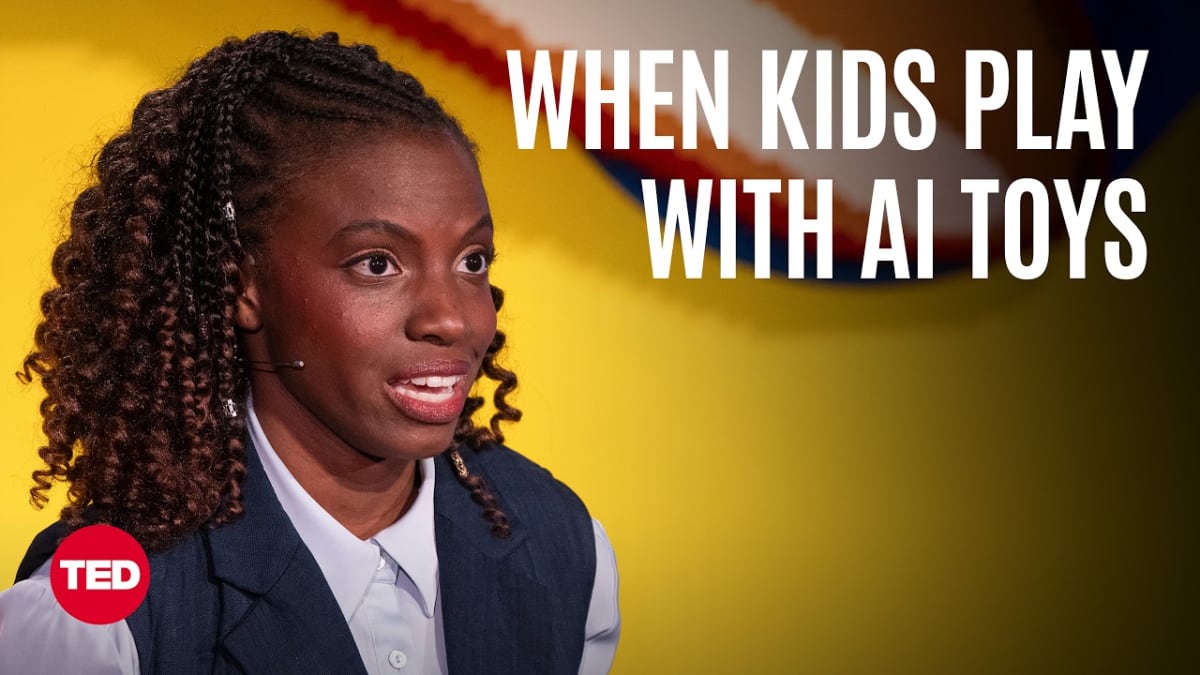
Randi Williams, an AI education researcher at MIT, has spent years watching how children interact with technology. What she found should grab every parent's attention: kids are forming deep emotional attachments to AI-powered toys in ways that could shape their entire relationship with technology.
As tech companies race to embed artificial intelligence into everything from teddy bears to tablet games, children are treating these devices like trusted friends. They share secrets, ask for advice, and develop bonds that feel surprisingly real.
Williams presented her findings at the Play@TED conference in May 2026, offering a fresh perspective on a challenge many parents face. Instead of simply keeping kids away from AI or letting them engage without guidance, she proposes something unexpected.
Her solution? Teach children to take things apart.
Why This Inspires
Williams believes that showing kids how to dismantle and rebuild their AI toys transforms them from passive users into curious investigators. When children understand that their smart companion is a collection of circuits and code rather than a mysterious friend, they begin asking better questions.
This hands-on approach helps kids see technology as something they can understand, question, and even improve. Rather than accepting AI responses at face value, children who've looked inside their devices learn to think critically about how machines work and what limitations they have.
The researcher's work arrives at a crucial moment, as AI becomes woven into nearly every aspect of childhood. From educational apps to interactive toys, today's kids encounter artificial intelligence in ways previous generations never imagined.
Williams isn't suggesting parents throw out every smart device. Instead, she advocates for playful exploration that demystifies technology and empowers children to be thoughtful consumers rather than uncritical believers.
Her research points to a generation that could grow up understanding AI as a tool they control, not a force that controls them. By encouraging curiosity and healthy skepticism now, parents can help their kids develop the critical thinking skills they'll need in an increasingly automated world.
The next time your child asks why their AI toy said something strange, Williams would say that's the perfect teaching moment, and maybe it's time to grab a screwdriver.
Based on reporting by TED
This story was written by BrightWire based on verified news reports.
Spread the positivity!
Share this good news with someone who needs it