MIT Robots Now Think Ahead, Double Their Speed
MIT researchers taught robots to predict their own future positions while moving, eliminating awkward pauses and making them twice as fast. The breakthrough could transform everything from emergency response to everyday tasks.
Robots just got a serious speed boost, and it's all thanks to teaching them a skill humans use constantly: thinking ahead while they move.
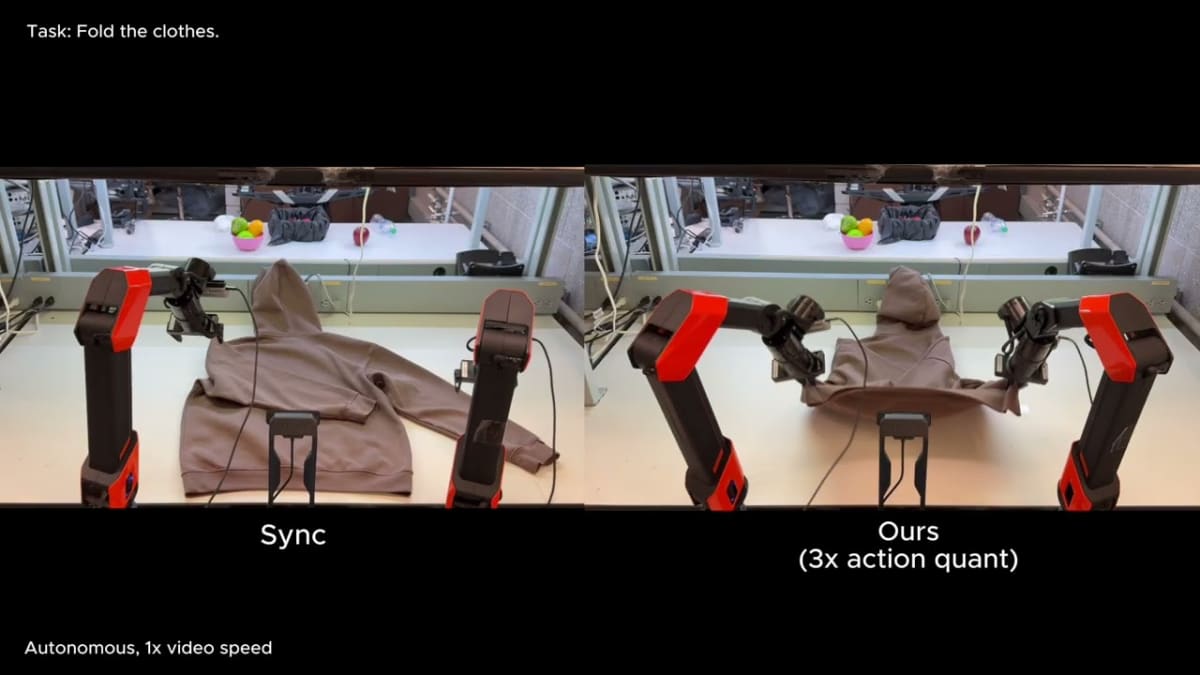
MIT researchers developed a new system called VLASH that helps robots predict where they'll be in the next few seconds. Instead of stopping to think about each new action, robots can now plan their next move while still completing the current one.
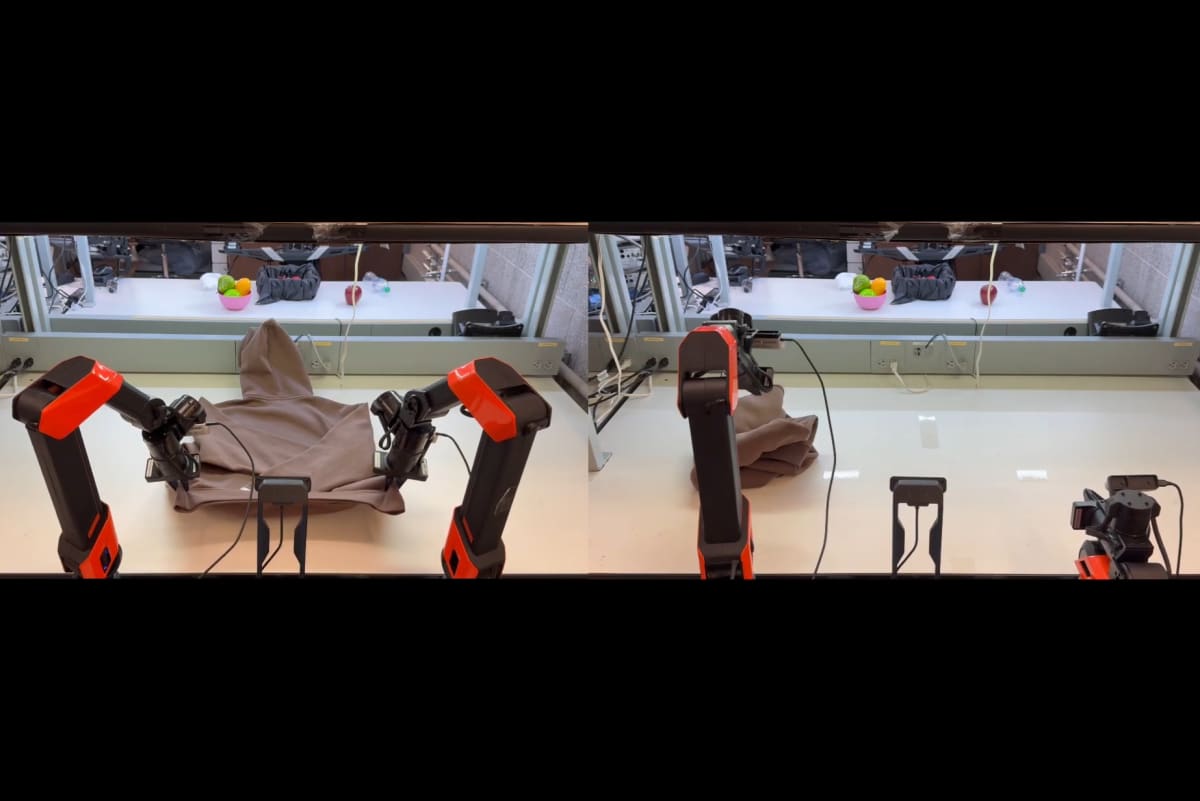
The results are remarkable. Robots using this technique work two to three times faster at tasks like picking up objects and folding laundry. The method slashed lag time between movements by more than 30 times, making robot motions smoother and more natural.
The secret lies in how the system handles planning. Most robots act like someone who stops walking every few steps to check their phone for directions. They freeze, calculate their next move based on where they are right now, then jerk forward again.
VLASH takes a different approach. The system knows where the robot is heading and uses that future position to plan ahead. It's like a GPS that routes your next turn based on where you'll be, not where you are.
Song Han, the MIT professor who led the research, says the technique works without adding extra computational power. That means it can be applied to many different types of robots without expensive upgrades.
The speed improvements really shine in dynamic activities. Robotic arms using VLASH performed better at fast-paced tasks like playing table tennis and Whack-a-Mole, reacting quickly to rapid changes.
The Ripple Effect
The implications extend far beyond game-playing robots. Emergency response teams could deploy faster, more agile robots in disaster zones. Search and rescue operations could cover more ground in critical early hours when every second counts.
Manufacturing could see immediate benefits too. Faster robots mean more efficient production lines without sacrificing precision. The system also helps robots recover from mistakes more quickly, reducing downtime and waste.
Graduate student Jiaming Tang, who co-led the research, points out another advantage: robots can now handle real-world environments that change unpredictably. They adapt on the fly instead of getting stuck when something unexpected happens.
The team plans to expand their work into even more advanced AI models, pushing the boundaries of what fast, affordable robots can accomplish. Their research will be presented at the upcoming Intelligent Robots and Systems Conference.
From factory floors to disaster sites, robots are about to get a whole lot more helpful.
More Images
Based on reporting by MIT News
This story was written by BrightWire based on verified news reports.
Spread the positivity!
Share this good news with someone who needs it