MIT Scientists See Quantum "Jiggling" in Superconductors
MIT physicists built a revolutionary terahertz microscope that reveals hidden quantum movements inside superconductors for the first time. This breakthrough could unlock room-temperature superconductors and faster wireless technology than anything we have today.
Scientists just watched electrons dance together in ways no one has ever seen before, and it could change everything about how we transmit energy and information.
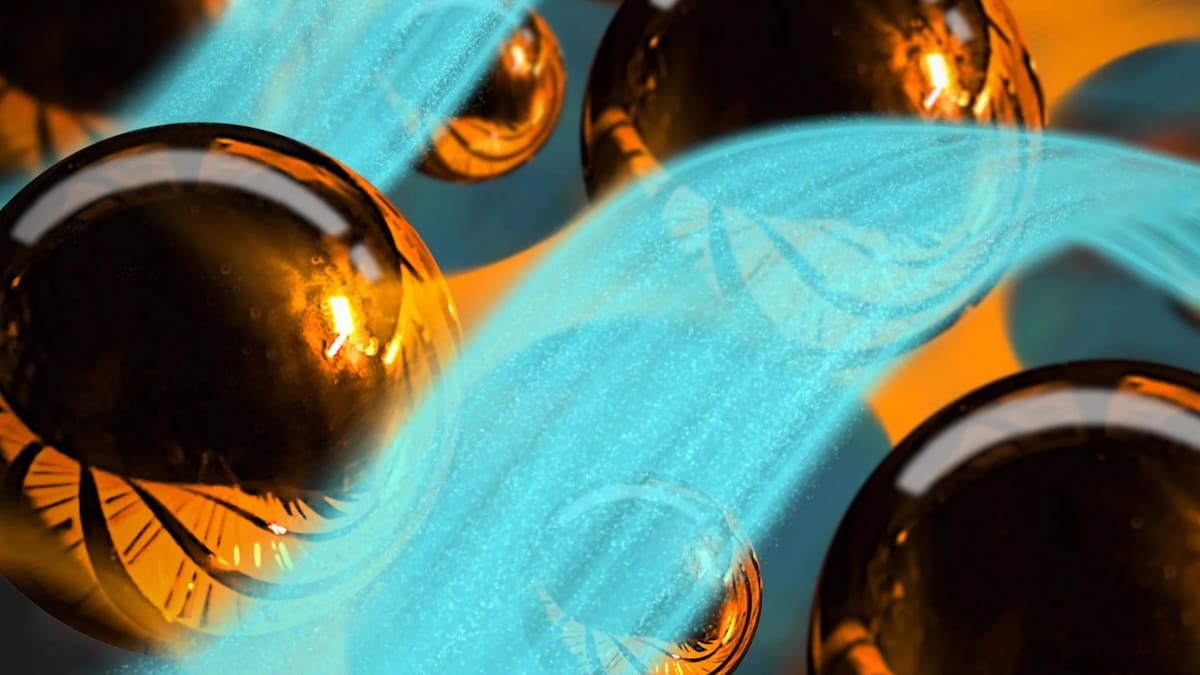
Researchers at MIT created a powerful new microscope that uses terahertz light to peer inside superconducting materials at the quantum level. For the first time ever, they observed electrons moving together in a frictionless, wave-like state, jiggling at over a trillion times per second.
The breakthrough solves a problem that has frustrated scientists for years. Terahertz light should be perfect for studying quantum movements because it pulses at the same speed electrons naturally vibrate. But there's a catch: its wavelength is so long that it can't focus on anything smaller than a hundred microns, making it useless for examining tiny quantum features.
Think of it like trying to paint a detailed portrait with a house paint roller. The tool is just too big for the job.
MIT physicist Alexander von Hoegen and his team found an elegant solution. They used special spintronic emitters made from stacked ultrathin metal layers that generate quick bursts of terahertz radiation. By placing their sample extremely close to the emitter, they captured the light before it could spread out, compressing it into a region much smaller than its wavelength.
The team tested their new microscope on a material called BSCCO, which becomes superconducting at relatively high temperatures. They watched electrons flow together like a superfluid, oscillating in perfect harmony without any friction or resistance.
"This new microscope now allows us to see a new mode of superconducting electrons that nobody has ever seen before," says Nuh Gedik, professor of physics at MIT.
The Ripple Effect spreads far beyond the lab. Understanding how superconductors work at this quantum level brings scientists closer to the holy grail: room-temperature superconductors that could revolutionize power grids by transmitting electricity without any energy loss.
The technology also opens doors for next-generation wireless communication. Wi-Fi and cell networks currently operate using microwaves, but terahertz frequencies could transmit data much, much faster. This new microscope helps researchers study how terahertz light interacts with microscopic devices that could become future antennas and receivers.
The research team included scientists from MIT, Harvard University, and several Max Planck Institutes, publishing their findings in the journal Nature. Their work demonstrates how one clever innovation can suddenly make the invisible visible.
What seemed impossible just became routine, and that's how breakthroughs happen.
Based on reporting by Science Daily
This story was written by BrightWire based on verified news reports.
Spread the positivity!
Share this good news with someone who needs it