MIT Scientists Use AI to Design New Antibiotics From Scratch
Researchers at MIT are using artificial intelligence to create entirely new antibiotics that defeat drug-resistant superbugs. The breakthrough could transform how we fight deadly infections that don't respond to existing treatments.
Scientists at MIT have achieved something that sounds like science fiction: using AI to invent brand new antibiotics that can kill deadly, drug-resistant bacteria.
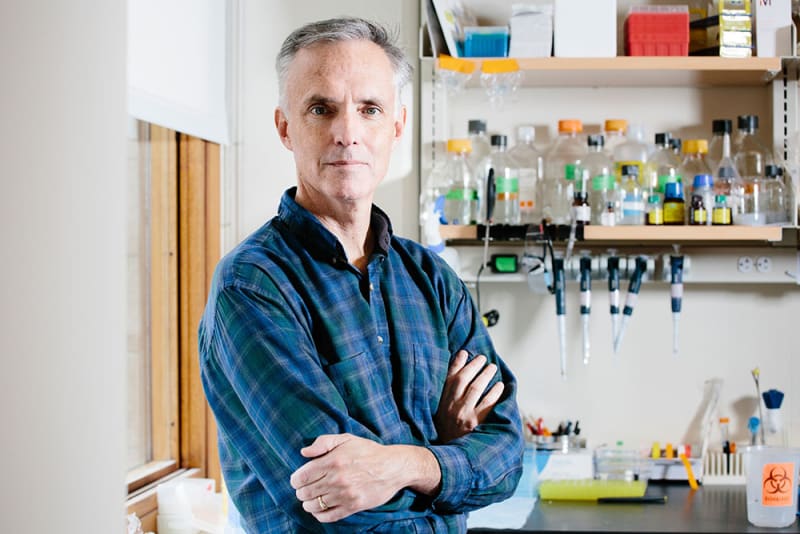
Professor James Collins and his team used generative AI to design millions of potential antibiotic molecules from scratch, then narrowed them down to the most promising candidates. After testing 24 compounds in the lab, seven showed powerful antibacterial activity against some of the world's most dangerous pathogens.
Two standout drugs emerged from the research. NG1 successfully eradicated multi-drug-resistant gonorrhea, including strains that don't respond to current treatments, while leaving helpful bacteria unharmed. DN1 cleared MRSA infections in mice through a completely novel mechanism.
The real game-changer is the speed and precision of this approach. Traditional antibiotic discovery can take years or even decades. By combining AI predictions with high-tech testing platforms, Collins' team is accelerating the entire process from idea to validated therapy.
Collins, who directs MIT's Abdul Latif Jameel Clinic for Machine Learning in Health, credits collaboration for these breakthroughs. Working with AI experts Regina Barzilay and Tommi Jaakkola, his team previously discovered halicin, a potent antibiotic effective against multiple drug-resistant bacteria. That 2020 discovery proved AI could find existing molecules with antibiotic properties.
Now they've taken it further by teaching AI to design completely new molecules that have never existed before. The system uses genetic algorithms and advanced machine learning to explore vast chemical possibilities, then filters them for safety and effectiveness.
The research doesn't stop at the lab bench. Collins co-founded Phare Bio, a nonprofit organization dedicated to turning these AI-discovered antibiotics into real treatments. The Antibiotics-AI Project connects his MIT research directly to clinical development, ensuring promising candidates can reach patients who need them.
The timing couldn't be more critical. Antibiotic-resistant infections kill over one million people globally each year, and the number is rising. Many common infections are becoming harder to treat as bacteria evolve resistance faster than we can develop new drugs.
Why This Inspires
This work represents a fundamental shift in how we approach one of medicine's biggest challenges. Instead of searching for needles in haystacks, scientists can now design the needles themselves. The AI doesn't just work faster; it explores chemical spaces humans might never think to investigate.
What makes this particularly hopeful is the collaborative model Collins has built. By bringing together AI researchers, microbiologists, engineers, and nonprofit organizations, he's created a pipeline that can move discoveries from computer screens to patient bedsides. The team even uses organs-on-chips technology to test how these new antibiotics behave in human-like tissue environments.
The next generation of antibiotics isn't just being discovered; it's being invented, molecule by molecule, with AI as humanity's creative partner in the fight against superbugs.
Based on reporting by MIT News
This story was written by BrightWire based on verified news reports.
Spread the positivity!
Share this good news with someone who needs it