MIT Sensor Detects Bladder Cancer 180 Times Earlier
Scientists at MIT created a tiny catheter sensor that catches bladder cancer coming back before tumors become visible, giving patients a huge head start on treatment. The device is 180 times more sensitive than current tests and creates a chemical map showing exactly where cancer cells are growing.
Bladder cancer patients finally have reason to breathe easier, thanks to a breakthrough that could catch tumors months or even years before they become visible.
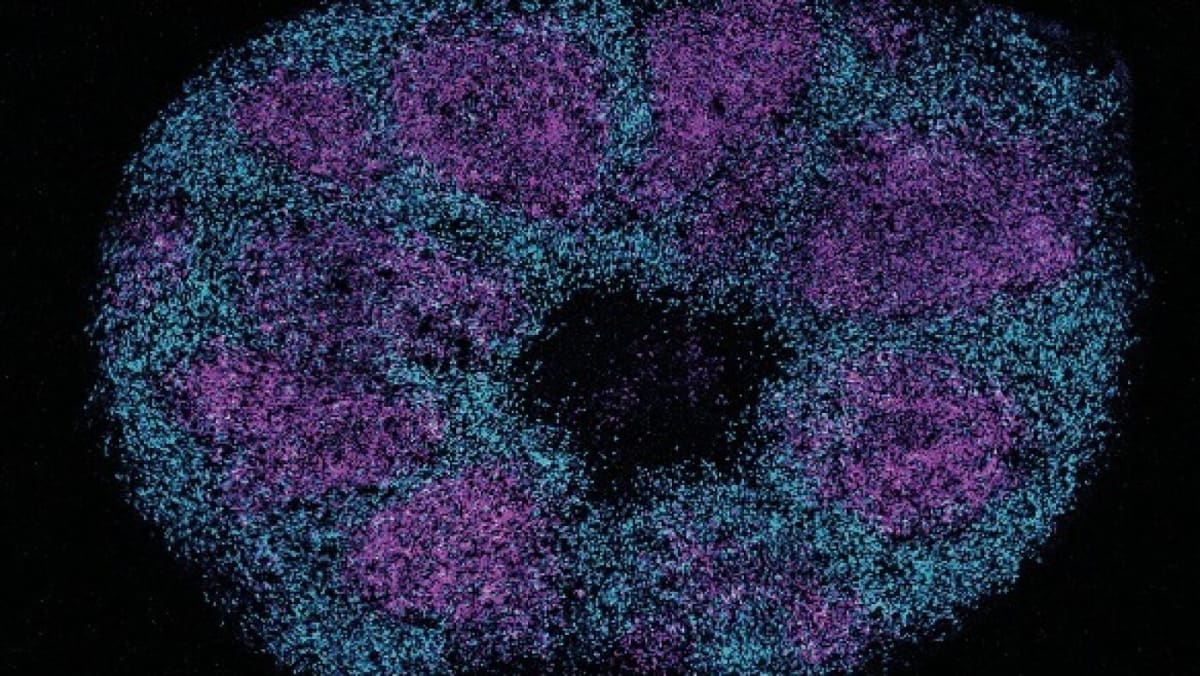
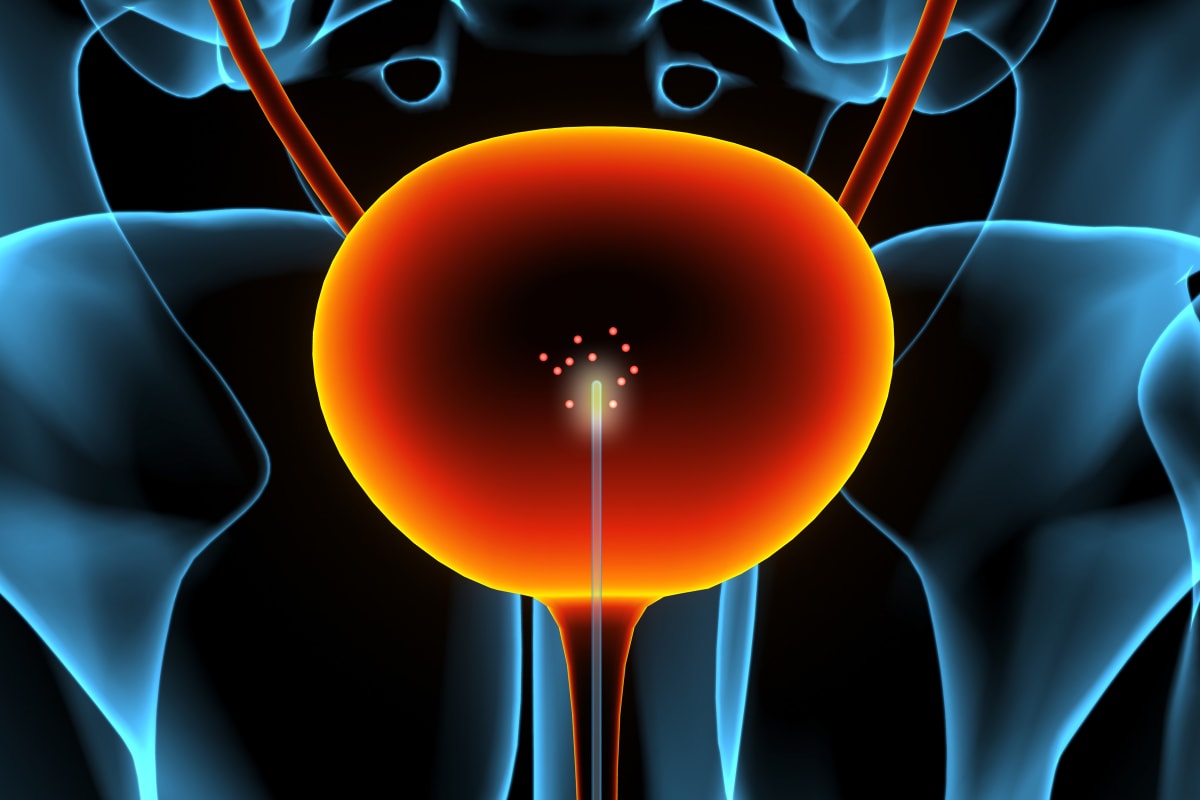
Researchers at MIT developed a specialized catheter coated with carbon nanosensors that detects cancer biomarkers right where they're produced. The device doesn't just find cancer signals. It creates a chemical map pinpointing exactly where tumor cells are hiding beneath the bladder's surface.
Here's why this matters so much. About 85,000 Americans get diagnosed with bladder cancer every year, and roughly half will see it come back within five years. That high recurrence rate makes bladder cancer one of the most expensive cancers to treat, requiring constant monitoring through uncomfortable procedures.
Current detection methods rely on urinalysis, which only catches cancer once it's advanced enough to release significant biomarkers into diluted urine. By then, tumors may already be growing dangerously large.
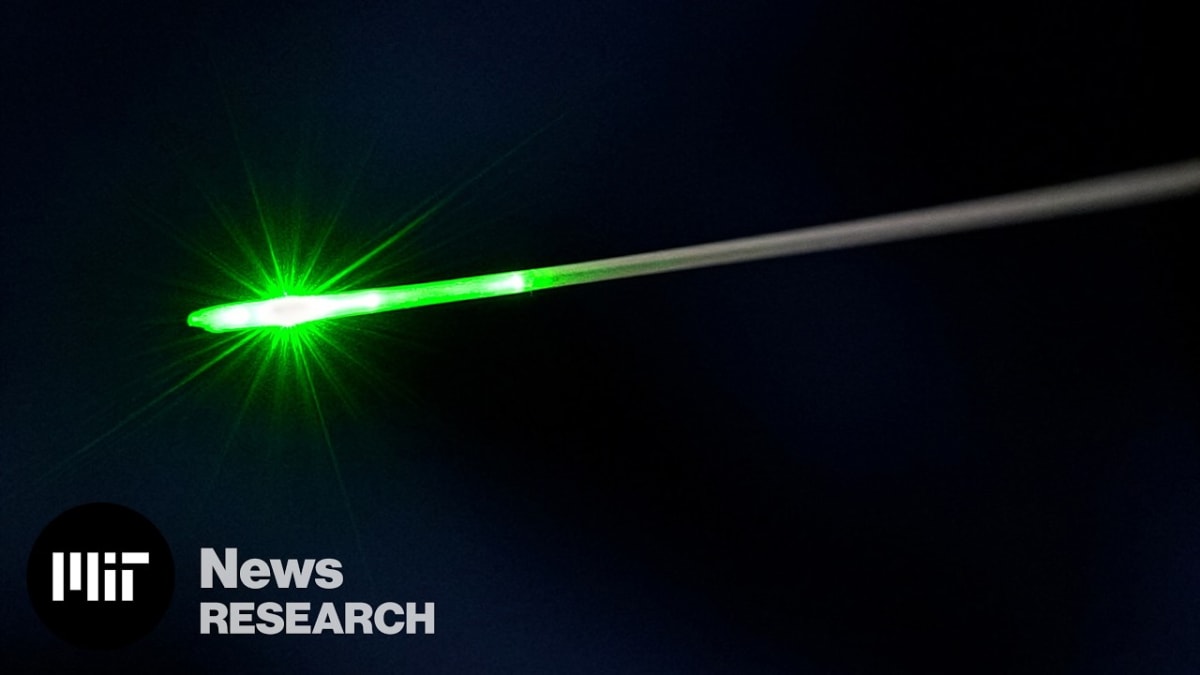
The new MIT sensor changes everything. A thin catheter covered in carbon nanotubes enters the bladder and hunts for a protein called NMP-22 that cancer cells release. When laser light hits these nanotubes, they glow in different colors depending on what molecules they encounter.
A tiny rotating lens inside the catheter tip spins 360 degrees, capturing those fluorescent signals and building a complete chemical picture of the bladder. The result is something Michael Strano, the lead researcher, calls "a camera for molecules instead of light."
In animal studies, this approach proved 180 times more sensitive than standard urine tests. That's because it detects biomarkers at their source, in high concentrations, rather than waiting for them to show up diluted in urine samples.
Even more impressive, the technology is nearly 50,000 times more sensitive than urinalysis overall. It can spot cancerous cells lurking beneath the bladder's surface before they break through and become visible tumors.
The Ripple Effect
This innovation reaches far beyond bladder cancer patients. The same nanosensor technology could be adapted to detect dozens of other conditions wherever biomarkers accumulate in the body.
Strano's lab has already created about two dozen different sensors for various molecules, from hydrogen peroxide to viral proteins. Each one uses synthetic antibodies, special polymers designed to grab onto specific targets and trigger a fluorescent response.
The approach could transform how doctors monitor any recurring cancer or chronic condition. Instead of waiting for symptoms or large tumors to appear, physicians could catch problems at their earliest, most treatable stages.
For the 42,500 bladder cancer patients who will see their disease return, this technology offers something invaluable: time. Time to treat smaller tumors, time to avoid aggressive surgeries, and time to live without the constant fear that cancer is silently growing back.
The future of cancer monitoring just got a whole lot brighter.
More Images
Based on reporting by MIT News
This story was written by BrightWire based on verified news reports.
Spread the positivity!
Share this good news with someone who needs it