MIT Student Brings AI Health Chatbot to Rural Argentina
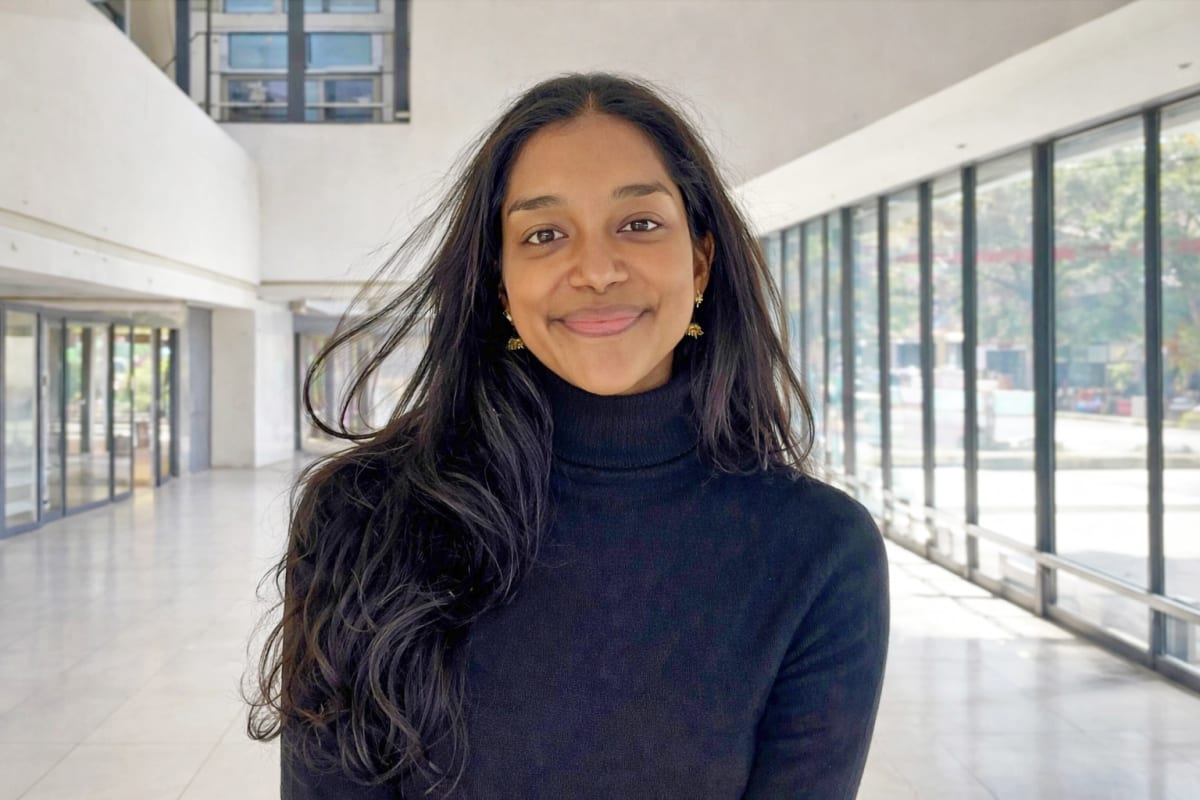
An MIT senior who started college planning to be a doctor discovered a bigger mission: using technology and community partnerships to solve health disparities across three continents. Her AI-powered health chatbot is now bridging care gaps in rural Argentina.
When Srihitha Dasari walked into her first week at MIT, she had a straightforward plan: study brain science, shadow doctors, get into medical school. Four years later, she found herself addressing the United Nations about digital health care and community-centered design.
The transformation started during her first January break. Dasari enrolled in MIT's PKG Center IAP Health Program and interned at Boston Medical Center's Autism Program, working directly with children and families navigating the health care system.
"When you think about how medicine is delivered, it can feel very systematic," she says. "But working in that clinic showed me you can modify the experience to truly care for the whole person." The experience revealed something bigger than individual patient care: the systems that create or reduce health disparities.
That insight took her around the world. During her second year, Dasari traveled to rural Argentina to develop an electronic health record system for a maternal ward. The project grew into something more ambitious: PuntoSalud, an AI-powered chatbot that helps rural Argentinians access reliable health information.
She co-founded the social enterprise with partners she met through MIT Global Health Alliance. The team worked directly with local hospitals and nonprofits to ensure their technology actually solved real problems. PuntoSalud won $5,000 in seed funding through MIT's PKG IDEAS Social Innovation Incubator.
Dasari's work expanded to maternal health projects in Nepal and India. In Nepal, she conducted needs assessments that helped retrofit birthing centers with better heating systems for cold climates. In India, she interviewed health care providers about reducing unnecessary cesarean sections.
The Ripple Effect
Dasari's journey shows how one student's expanded perspective can create waves of change. Her AI chatbot serves communities that previously struggled to access basic health information. Her research in Nepal improved conditions for mothers giving birth in harsh climates. Her work in India is shaping policy recommendations that could help health systems worldwide.
More importantly, she's proving that medical students don't have to wait until after years of training to make a difference. "Meaningful impact can begin long before medical school," she says.
Now preparing for a year in clinical research before medical school, Dasari carries forward a systems-level view of health care. She's no longer thinking about medicine as one doctor helping one patient at a time.
"I came in thinking I would practice medicine one-on-one," she says. "Now I want to increase my impact in the health care field through clinical medicine intersected with public health, relieving health disparities for a wider population."
Her advice to other aspiring doctors? Don't wait to start making change happen.
Based on reporting by MIT News
This story was written by BrightWire based on verified news reports.
Spread the positivity!
Share this good news with someone who needs it