MIT Student Designs Tech With Teens Who Need It Most
An MIT researcher is flipping the script on technology design by putting young people from the foster care system in the driver's seat. Their voices are shaping digital tools that actually support healing and connection.
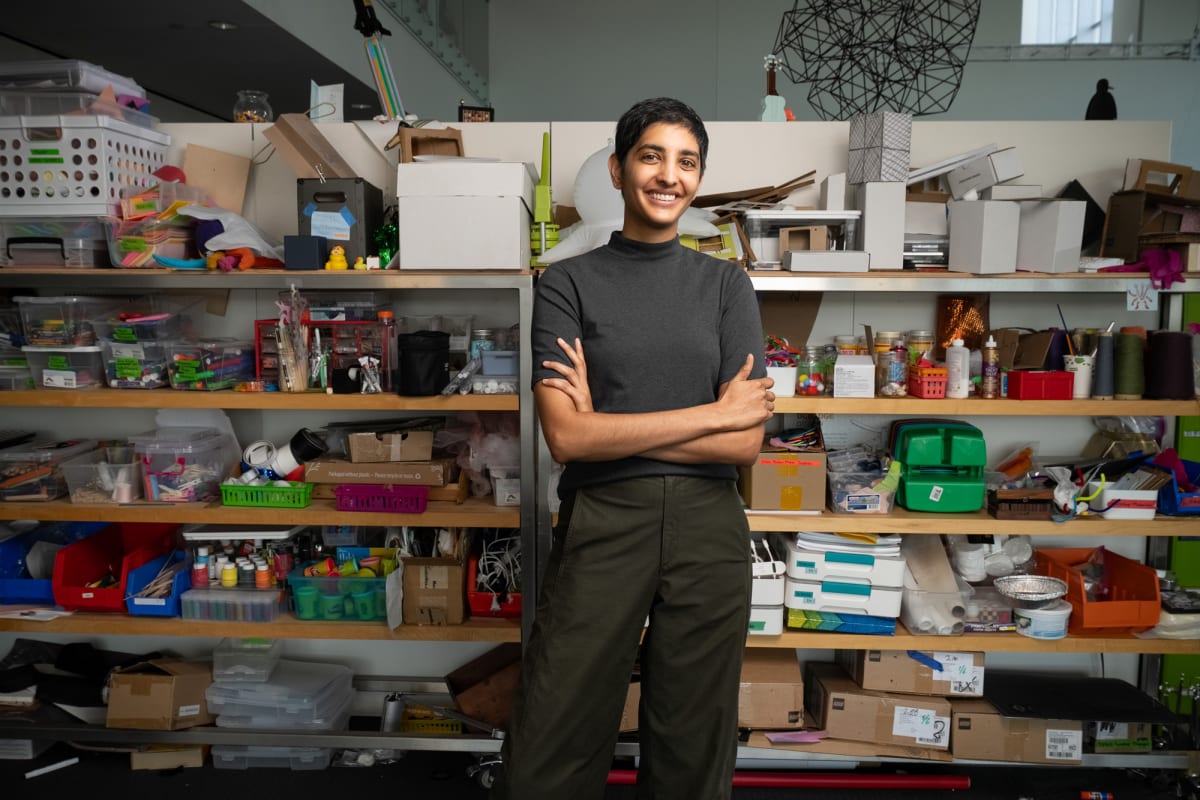
Ila Kumar had a problem with the technology she was building. It looked good on paper, but it wasn't making a real difference in people's lives.
The MIT PhD student was working on "tech for good" projects focused on mental health, but something crucial was missing. She wasn't involving the people who would actually use these tools in creating them.
That realization changed everything. Kumar decided that if technology was going to truly help people, the people it served needed to help build it from day one.
Now in her sixth year at MIT's Lifelong Kindergarten group, Kumar works directly with young people who've experienced childhood trauma, particularly those in the foster care system. Together, they're reimagining how digital tools can support healing and independence.
One project replaces overwhelming text messages with visual collages. For young people who find it hard to put complex emotions into words, the app lets them express feelings through images and build connections with peers who understand their experiences.
Kumar partnered with Stepping Forward LA to create the tool, and the young people who would use it helped design every feature. This wasn't researchers guessing what kids needed. It was kids showing researchers what would actually work.
Another ongoing collaboration with the Justice Resource Institute is building a mobile app that helps youth take charge of their own treatment plans. The tool supports them in setting goals and working toward them between therapy sessions, with both clinicians and young people designing the system side by side.
Kumar also co-facilitated a 10-month technology leadership circle with Foster America. The program brought together people with lived experience in foster care and tech experts to identify real gaps in care and imagine solutions together.
Why This Inspires
Kumar's approach challenges how innovation typically happens. Instead of engineers working in isolation and hoping their creations help people, she's proving that the best solutions come from collaboration with the communities that need them.
Her work shows that technology doesn't have to be a simple choice between embracing it or rejecting it. When young people have a voice in how digital tools are built, those tools can strengthen relationships, support healthy expression, and meet real needs.
Kumar believes community-based design is the only way to create technology that truly accounts for people's needs, barriers, cultures, and concerns. It's how we build things that last and make a genuine positive impact.
Her message to the tech world is clear: stop designing for people and start designing with them.
Based on reporting by MIT News
This story was written by BrightWire based on verified news reports.
Spread the positivity!
Share this good news with someone who needs it