MIT Student Helps Arkansas Fish Farm Save Millions of Fish
A mechanical engineering student from rural Wyoming is helping an Arkansas aquaculture operation solve water quality problems that were killing fish. Her work shows how universities and rural communities can team up to strengthen America's food systems.
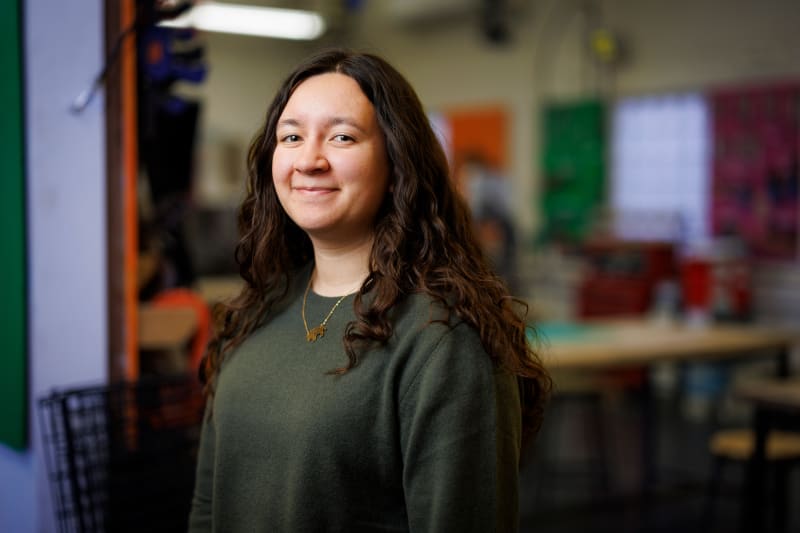
Kiyoko "Kik" Hayano grew up in Powell, Wyoming, population 6,400, where water scarcity shaped daily life. Now the MIT mechanical engineering student is using those rural roots to help solve a crisis threatening 150 million fish each year.
Keo Fish Farms in Arkansas was losing fish to elevated iron levels in their groundwater, especially during hot summer months. The commercial aquaculture operation produces hybrid striped bass and grass carp for domestic and international markets, but contaminated well water was causing mortality events that threatened the entire business.
That's when MIT D-Lab stepped in. The program connects engineering students with communities facing real-world challenges, and increasingly that means rural America, not just overseas development work. Hayano jumped at the chance to apply her engineering skills to a problem that mattered to communities like the one she grew up in.
On site at the Arkansas Delta farm, Hayano documented the existing water systems and analyzed how the wells were tapping into iron-rich geological layers. She evaluated filtration options ranging from deeper drilling to biochar-based media that could bind contaminants while improving other areas of the farm.
The project gave Hayano hands-on experience with constraints that textbooks don't teach. Iron levels that shift with seasons, budgets that reflect real farm economics, and labor cycles tied to harvest schedules all shaped the engineering solutions. She even briefed Arkansas Lieutenant Governor Leslie Rutledge on the team's progress.
The Ripple Effect: This collaboration represents something bigger than one fish farm. Water quality in aquaculture sits at the intersection of USDA conservation efforts, EPA standards, climate-driven changes to aquifers, and domestic food security. Solutions developed here could help other farms facing similar challenges across the country.
MIT D-Lab associate director Kendra Leith says the Delta region brings together high-value protein production, aging water infrastructure, and rural economic decline in ways that matter deeply to national policy. The farm's regenerative approach combines immediate problem-solving with long-term sustainability.
For Hayano, the experience connected her Wyoming childhood spent gardening with her grandmother and tinkering with irrigation systems to her ambitious engineering career. "It opened my eyes to how engineering can support sustainable food systems and rural communities," she says.
The work continues as the team refines filtration systems that could protect millions of fish while serving as a model for regenerative agriculture nationwide.
Based on reporting by MIT News
This story was written by BrightWire based on verified news reports.
Spread the positivity!
Share this good news with someone who needs it


