MIT Student Races to Save His Pueblo's Endangered Language
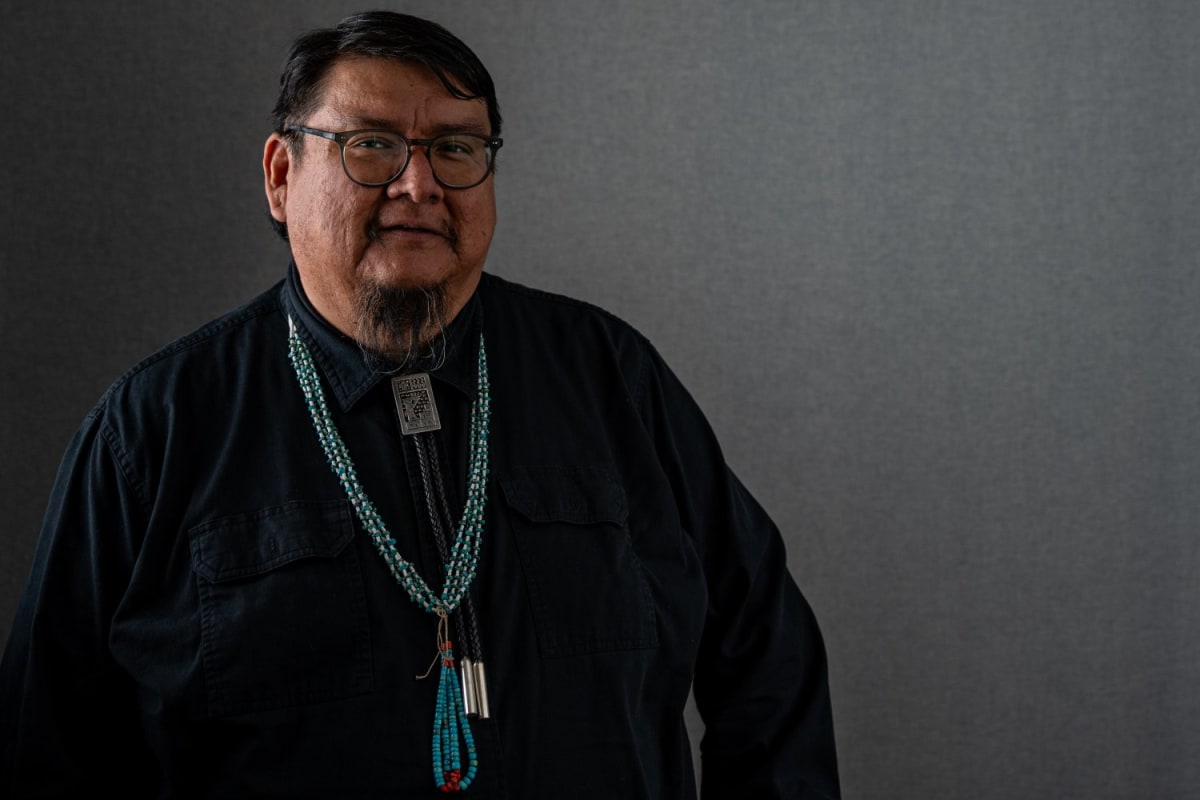
William Pacheco is using cutting-edge linguistics training at MIT to preserve Keres, his native language spoken by fewer than 10,000 people across seven New Mexico villages. His work bridges ancient tribal wisdom with modern science to keep his culture alive for future generations.
A graduate student from New Mexico's Santo Domingo Pueblo is combining MIT's scientific approach with his tribe's ancient knowledge to rescue a language on the brink of extinction.
William Pacheco grew up in Kewa village speaking Keres, a language isolate with no linguistic relatives anywhere in the world. With fewer than 10,000 speakers remaining across seven central New Mexico communities, the language faces a precarious future as young Pueblos increasingly use English.
The challenge runs deeper than numbers. Keres exists only as a spoken language because the Pueblo people consider it sacred intellectual property best preserved through daily use within families and communities. Writing it down risks the kind of cultural harm that contact with the outside world has caused Indigenous communities for centuries.
Pacheco initially dreamed of studying physics, inspired by Nobel laureate Richard Feynman. But after earning his undergraduate degree and working as a K-12 educator, he felt called to preserve his heritage language. He gained tribal permission to teach Keres at the Santa Fe Indian School, where he quickly discovered traditional Western teaching methods wouldn't work.
His students weren't interested in scholarly analysis. They wanted to connect with elders and build community through their ancestral tongue. That realization exposed gaps in Pacheco's own knowledge, particularly around complex features like verb morphology, the way verb sounds shift and change in Keres.
After earning a master's in learning design from Harvard, Pacheco learned about MIT's Indigenous Languages Initiative. The special two-year program trains members of threatened language communities with the linguistic tools to keep their languages alive. He arrived at MIT in 2024 and found mentors who understood his unique mission.
The Ripple Effect
Pacheco's work demonstrates how modern science can serve ancient wisdom rather than replace it. MIT's approach lets him analyze the "fascinating idiosyncrasies" of Keres while respecting his community's wish to keep the language unwritten and sacred.
The program connects him with other students fighting to save endangered languages worldwide, creating a network of language warriors equipped with both traditional knowledge and cutting-edge research methods. Faculty members experienced in Indigenous language preservation offer expertise that honors cultural differences in how language transmission occurs.
Each of the seven Keres-speaking villages has its own distinct dialect, mutually intelligible to varying degrees. Pacheco's linguistic training helps him understand these variations while developing teaching methods that feel authentic to Pueblo learners who believe speaking "comes from deep within."
His journey from physics dreams to language preservation shows how passion can redirect a life toward purpose. Pacheco will complete his MIT studies this spring, armed with tools to ensure future generations of Santo Domingo Pueblo children hear their ancestors' voices in every word.
The Pueblo conception holds that some knowledge belongs to communities, not textbooks, and Pacheco is proving that respecting those boundaries doesn't mean letting languages die.
Based on reporting by MIT News
This story was written by BrightWire based on verified news reports.
Spread the positivity!
Share this good news with someone who needs it