MIT Students Befriend 100+ Bostonians With Brain Injuries
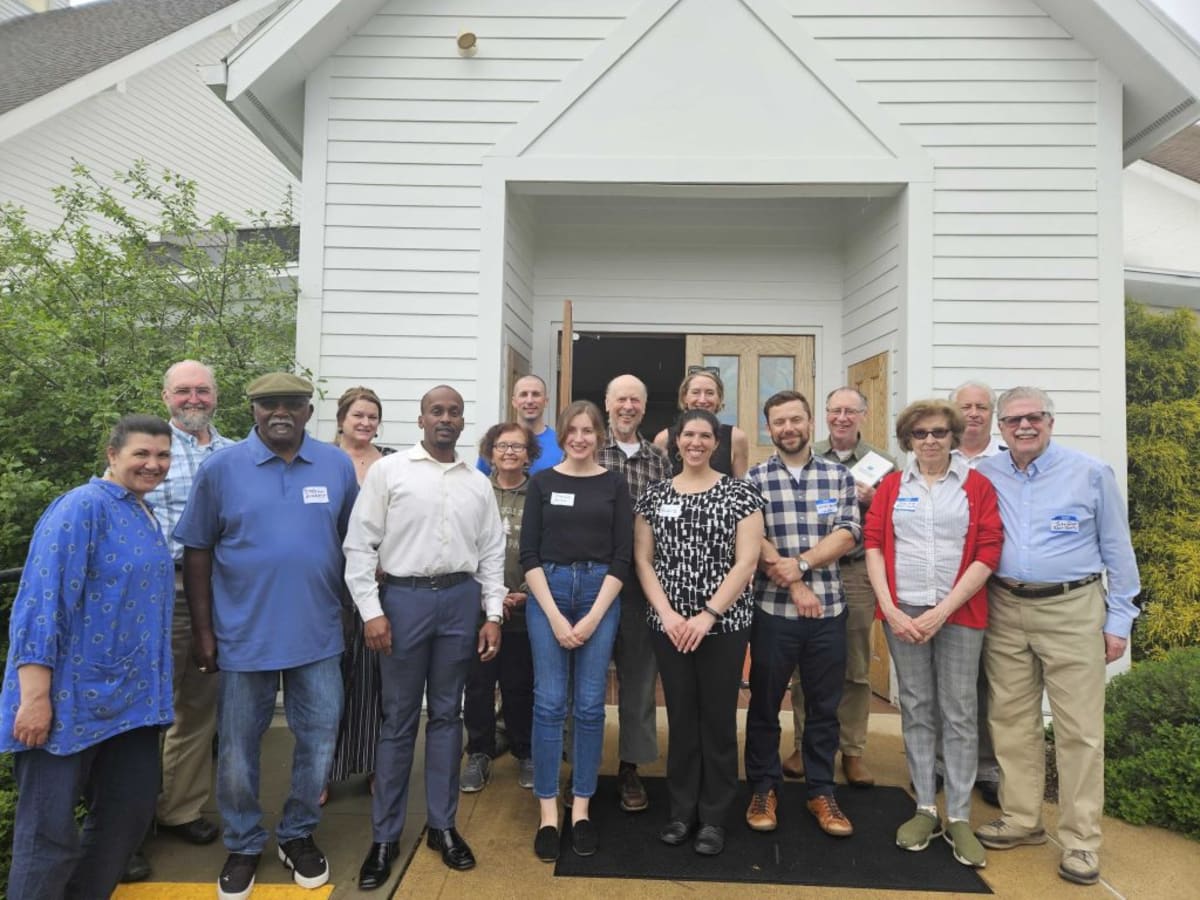
Nearly 100 MIT students are bringing friendship and hope to Boston residents living with brain injuries through a program that's been changing lives since 1998. Some bonds have lasted over a decade, with buddies staying connected long after students graduate.
For nearly three decades, MIT students have been proving that sometimes the best medicine is simply showing up for someone who needs a friend.
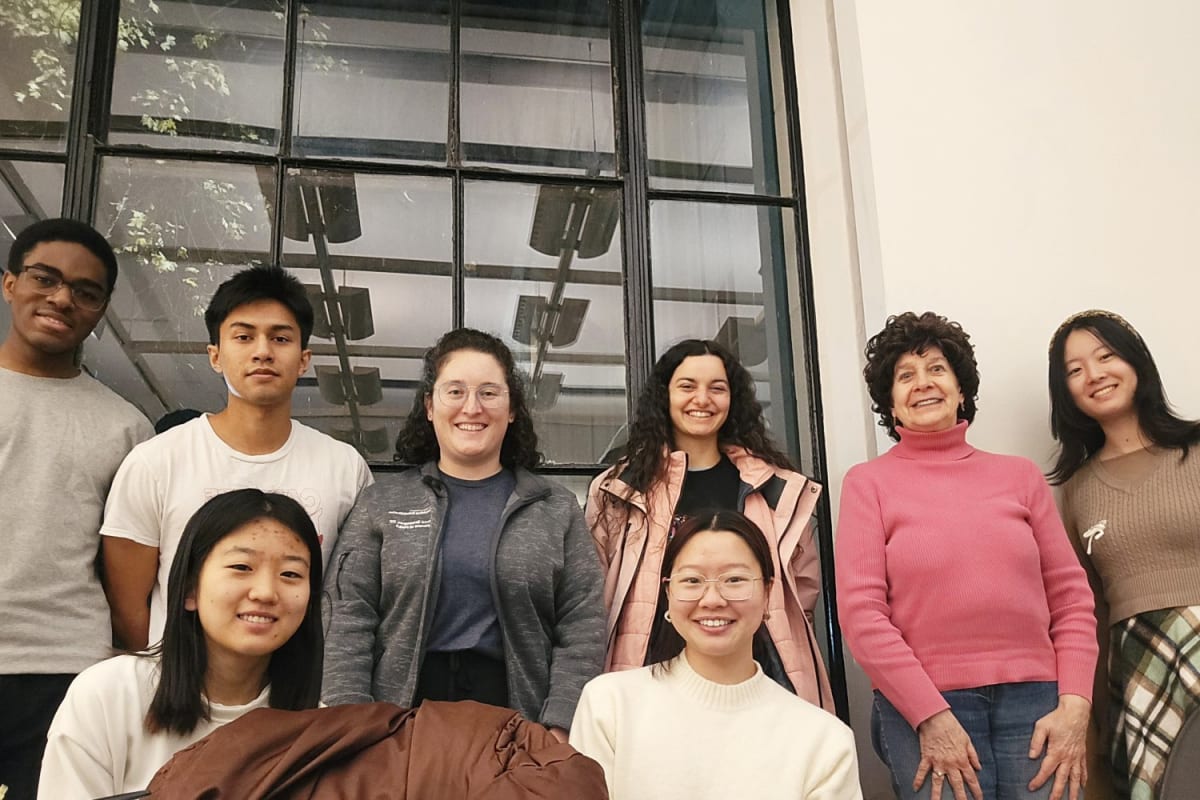
Through the BrainTrust club, almost 100 MIT students volunteer as buddies to Boston-area residents living with brain injuries and other neurological disorders. They grab coffee, explore the city, and build friendships that often last years beyond graduation.
The program works through simple human connection. After training, students are paired with a local buddy who has experienced a brain injury. They meet at least once a month, doing ordinary things like getting meals or walking through Harvard Square.
First-year student Jordan Lacsamana traveled all the way from Dallas to MIT and found an unexpected mentor in Amanda, her brain injury buddy. "I think one of the great things about the program is that you get to learn more about them as an individual, instead of seeing them as just a person with an injury," Lacsamana says.
The bonds run deep. Amanda stayed in touch with her previous student buddy after graduation and is now attending her wedding.
The Ripple Effect
What started as an MIT club has grown into something bigger. Alumna Alissa Totman founded Synapse National after her time in BrainTrust, creating similar programs at universities across the country.
The experience shapes students' futures in medicine too. Club president Karie Shen, a junior studying biology and brain science, recently helped develop a hospice program where students visit patients in end-of-life care.
"Visiting people in hospice or a nursing home is hard," Shen admits. "But I have also come to understand that caring for a patient's quality of life and dignity is equally important. What I came to realize is that my presence itself mattered."
Many buddies have stayed connected to the club for over a decade, maintaining friendships with multiple student generations. They enjoy staying linked to campus life and what students are learning.
The program now includes weekend visits to nursing home patients with dementia, Alzheimer's disease, or stroke effects, all funded by MIT's Community Service Committee.
These MIT students are discovering what their buddies already know: friendship heals in ways medicine cannot measure.
Based on reporting by MIT News
This story was written by BrightWire based on verified news reports.
Spread the positivity!
Share this good news with someone who needs it