MIT Students Help Cities Win $100M in Climate Grants
MIT graduate students are spending their summers helping cities and communities secure millions in funding for climate and economic projects. The Freedom Summer Fellowship has placed 31 students with organizations across America, contributing to over $100 million in successful grant applications.
Graduate students from MIT are bridging the gap between federal climate funding and the communities that need it most. Over three summers, they've helped small cities and nonprofits navigate complex grant applications and build projects that could reshape their futures.
The Freedom Summer Fellowship started in 2023 when professors Phillip Thompson and Elisabeth Reynolds noticed a problem. Waves of new federal funding for clean energy and infrastructure were available, but many local governments lacked the expertise to apply for it.
"You can't teach planning today without grappling with how policy actually unfolds within communities," says Thompson, who co-founded the program. The solution was sending graduate students directly into cities for eight to ten weeks each summer.
The results speak for themselves. Since launch, 31 fellows have worked with 19 organizations across the country. They've contributed to more than $100 million in grant applications, including a successful $3 million EPA Climate Pollution Reduction grant for Hawaii.
The fellows do everything from policy research to creating analytical tools that help cities manage projects long after summer ends. They've helped convene over 3,500 community members and built dozens of planning dashboards that make equitable development easier to achieve.
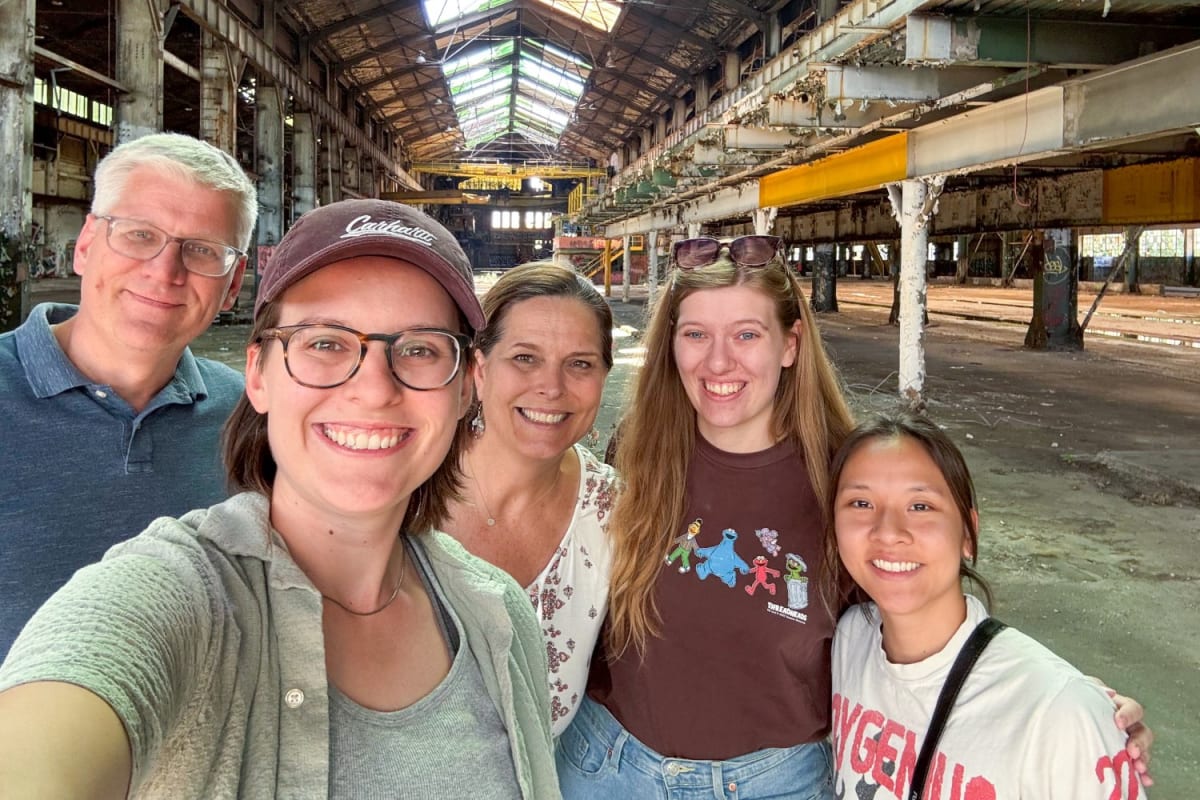
In Cleveland, fellow Sara Jex worked on redeveloping abandoned industrial sites through the Site Readiness Fund for Good Jobs. These vacant factories, once vital to the city's economy, are being transformed into spaces that can bring employment back to disinvested neighborhoods.
The Ripple Effect
The fellowship creates wins on multiple levels. Cities get expert help accessing funding they couldn't pursue alone. Communities gain tools and frameworks they can use for years. And students learn how real change happens when you're working with limited resources and competing interests.
Reynolds calls this moment a perfect environment for learning because cities are experimenting with innovative strategies. Even as some federal funding faces cuts, the momentum for community-led climate action continues building from the ground up.
The program proves that sometimes the best way to teach the next generation of urban planners is to put them right in the middle of the action. When students and communities learn together, everyone moves forward.
Based on reporting by MIT News
This story was written by BrightWire based on verified news reports.
Spread the positivity!
Share this good news with someone who needs it
%2Ffile%2Fdailymaverick%2Fwp-content%2Fuploads%2F2022%2F06%2FOpinion-Simelane-SolarTW.jpg)