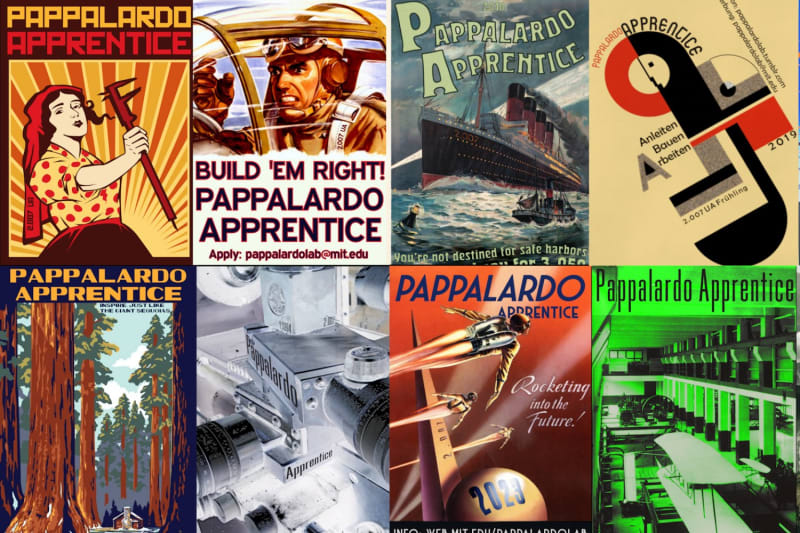
MIT Students Master Ancient Metalwork in 10-Year Apprentice Lab
MIT's Pappalardo Apprentice program combines metallurgy, fabrication skills, and peer mentoring in what students call "the most wicked lab on campus." Now celebrating its 10th year, juniors and seniors are casting replica 1899 anchor windlasses while mastering trades that blend art with engineering.
Students at MIT are bringing 19th-century maritime equipment back to life while learning skills that most engineers never touch.
The Pappalardo Apprentice program pairs advanced fabrication training with hands-on mentoring, letting juniors and seniors dive deep into metallurgy and metalworking. This spring, they're casting copper alloy replicas of an 1899 anchor windlass from the legendary Herreshoff Manufacturing Company, once used on elite racing yachts.
Director Daniel Braunstein started the program 10 years ago to solve a simple problem: he needed lab help for sophomore design courses, and upperclassmen wanted advanced fabrication experience. The solution became something much bigger than either group expected.
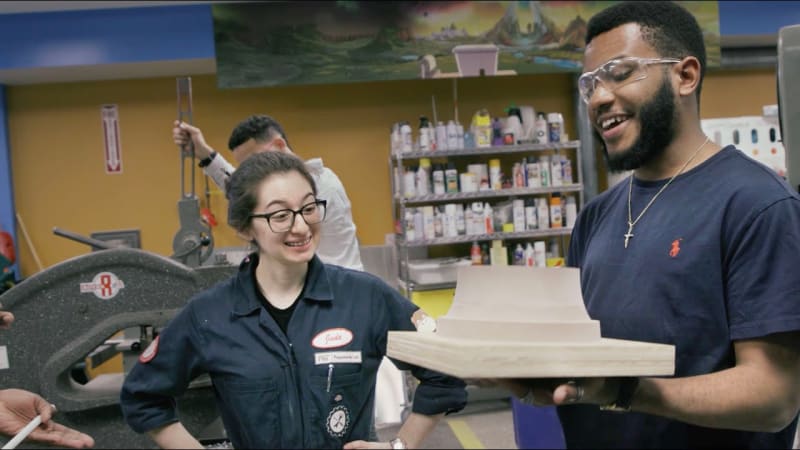
Apprentices assist in Design and Manufacturing I courses, helping younger students with machining, brainstorming, and tool use. But they're also building their own expertise through specialized seminars in mill work, lathe operation, and computer-aided manufacturing.
Junior apprentices fabricate Stirling engines that convert heat into mechanical work. Returning seniors tackle ambitious group casting projects, including replicas of early 20th-century marine engines now on display at the MIT Museum.
The windlass project requires students to work from century-old drawings with incomplete information. "We don't know how they made the parts," says Braunstein. "It's like technical archaeology."
Apprentice Saechow Yap describes relying on intuition about which surfaces matter most and applying aesthetic judgment. "I learned a lot about applying my art skills," Yap says.
The metallurgy focus surprised even Braunstein. He discovered students had limited exposure to metals beyond basic engineering applications. Apprentice Jade Durham says the experience opened her eyes to how material choice shapes all engineering decisions.
The Ripple Effect
The program deliberately borrows language from traditional trades to honor MIT's founding mission. The school wasn't established as a pure science institution but focused on mechanical arts and industrial work.
Wilhem Hector calls Pappalardo his favorite campus spot. "I had never set foot in any sort of makerspace or lab before MIT," he says. "I did not just learn how to make things. I got empowered to make anything."
That empowerment extends beyond the lab. Apprentices become mentors, passing skills to younger students who will eventually mentor others. The 10-year-old program has created a living tradition where engineering meets craftsmanship.
MIT calls the Pappalardo Lab "the most wicked lab on campus," using Boston slang for something exceptionally awesome. Ten years in, students and faculty alike seem to agree the description fits perfectly.
More Images
Based on reporting by MIT News
This story was written by BrightWire based on verified news reports.
Spread the positivity!
Share this good news with someone who needs it