MIT Students Who Started as Kids Now Lead STEM Camp
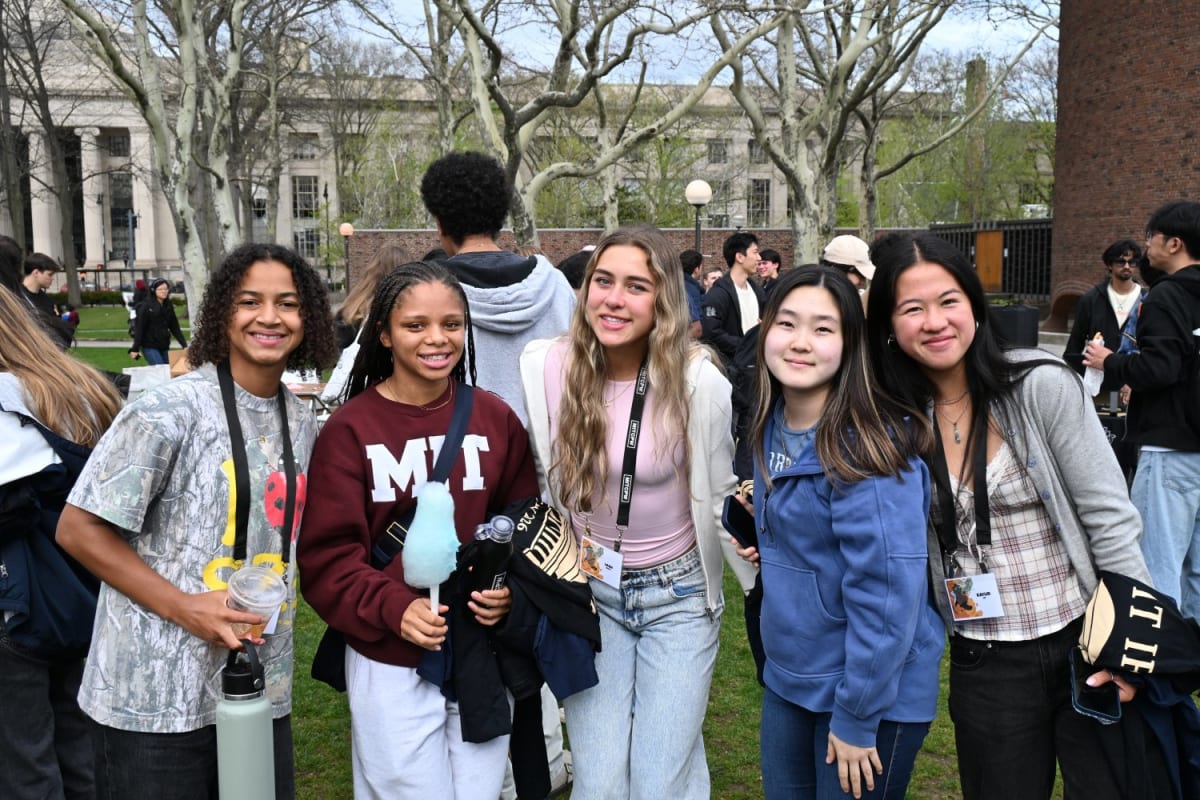
Four MIT students who attended a free middle school STEM program are now running it, creating a powerful cycle of inspiration. This summer, they'll welcome 80 Boston-area students to the same transformative experience that shaped their futures.
Four MIT students are preparing to welcome 80 middle schoolers to campus this August for the same free program that changed their lives years ago.
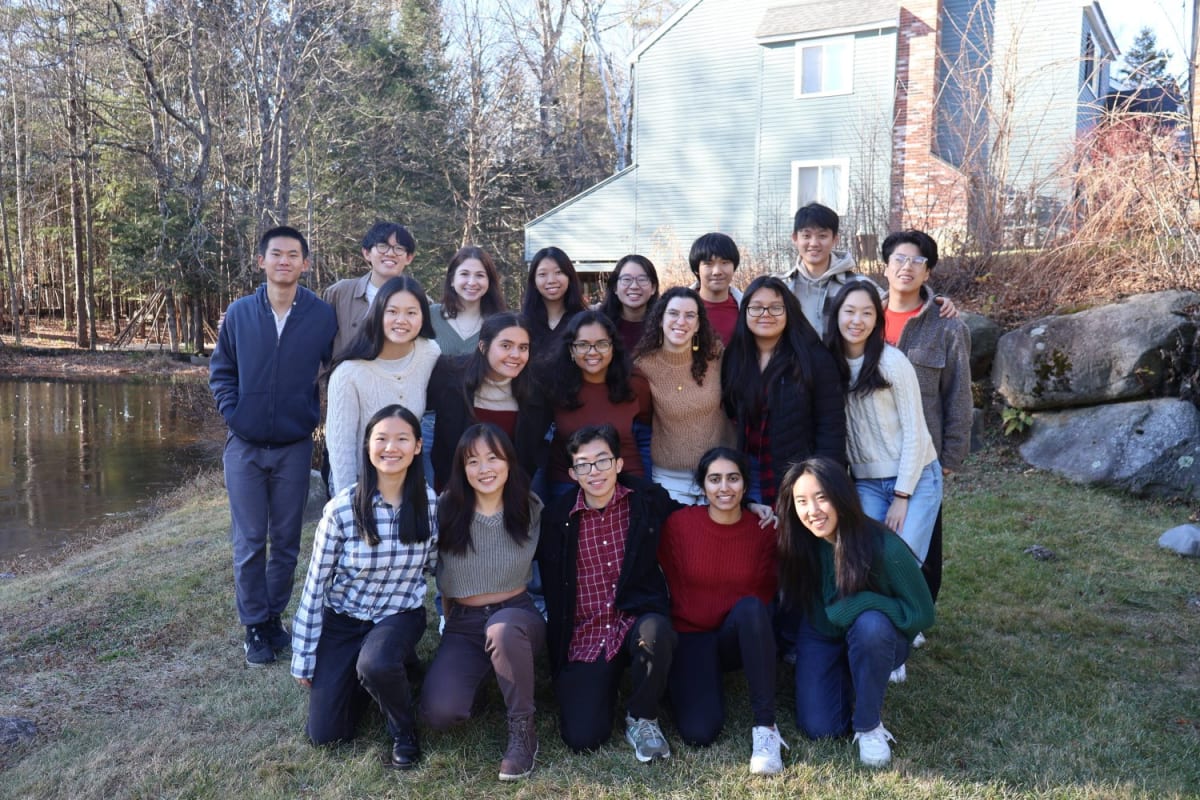
For the past 13 years, MIT's dynaMIT club has taught STEM to Boston-area middle schoolers at no cost. Now, some of their earliest participants have returned as leaders, ready to inspire the next generation the same way they were inspired.
Dominique Dang from Quincy, Massachusetts, remembers her middle school experience vividly. She had little STEM exposure in school, but dynaMIT introduced her to hands-on science that went far beyond textbooks. "I knew I wanted to be a scientist, but I didn't know what type of science I wanted to study," says Dang, now studying computer science and molecular biology.
Lukeman Nouri attended as a sixth grader from Saugus, barely knowing what MIT or STEM meant. On day one, he extracted DNA from strawberries, made elephant toothpaste, and learned Scratch programming to create his first game. "After dynaMIT, MIT became my dream college," says Nouri, now majoring in computer science and engineering.
Erick Liang grew up in Boston's Chinatown and Roslindale neighborhoods as a first-generation, low-income student. The program exposed him to fields he'd never encountered in elementary or middle school. Today, he's majoring in nuclear science and engineering and physics.
This August, the program runs two sessions. Forty students in grades 6-7 will explore STEM through solar s'mores and paper rockets, while another 40 eighth and ninth graders tackle more advanced experiments. Each day covers a different topic: chemistry, machine learning, physics, math, biology, and earth and space science.
Co-director Megan Zhu, a biology major from Rapid City, South Dakota, is adding new activities this year. Students will build cities that withstand storms in an exercise called Sponge City, learning about water runoff and climate change. They'll also partner with MIT's Koch Institute for cancer research, touring labs and talking directly with scientists.
The Ripple Effect
The circle keeps growing. Students who never imagined themselves at MIT are now walking its halls, then turning around to extend the same hand they were once offered.
"I feel a responsibility to help make it just as impactful for future students," says Nouri. Liang is excited to set up plasma demo kits for physics day, while Dang calls it "a great full-circle moment."
For these student leaders, watching middle schoolers discover their potential makes a year of planning worthwhile. They're proof that one week of hands-on learning can plant seeds that grow for years, eventually blooming into new opportunities for the next wave of curious minds.
Based on reporting by MIT News
This story was written by BrightWire based on verified news reports.
Spread the positivity!
Share this good news with someone who needs it