MIT Study: Save Wetlands AND Cut Flood Damage by $1.6B
Researchers found a way to protect wetlands while still allowing development, cutting flood damage costs by $1.6 billion in Florida alone. The solution combines tradeable conservation credits with a smart local tax system.
Protecting nature while building homes and businesses just got easier, thanks to a breakthrough study from MIT economists.
Researchers discovered that tweaking wetland conservation policies could save billions in flood damage while preserving economic growth. Their solution tested in Florida from 1995 to 2020 shows we don't have to choose between protecting the environment and thriving communities.
Here's how it works. Instead of forcing developers to restore wetlands right next to where they build, the new approach lets them buy credits that improve wetlands anywhere in the same watershed. But there's a smart twist: developers also pay a local tax based on how much their project increases flood risk in that specific area.
The results are striking. Florida's wetland development created $2.4 billion in economic gains during the study period. The improved policy would have kept two-thirds of those gains while preventing $1.6 billion in flood damage.
"You're retaining two-thirds of the private gains from trade," says Daniel Aronoff, a research affiliate at MIT and study co-author. "And the flood damages shrink by an order of magnitude."
The tax revenue collected could help communities recover after floods actually happen. Meanwhile, wetlands get restored where they'll do the most good for the environment, not just where development occurs.
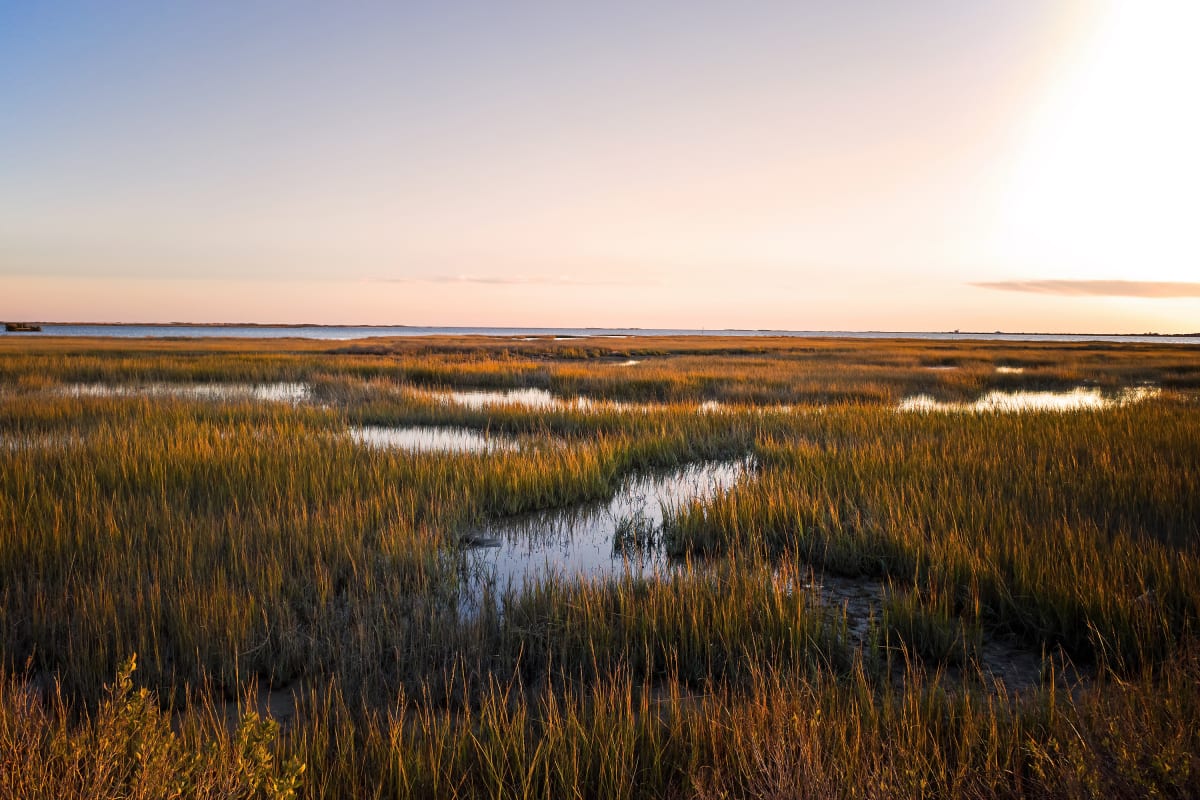
This matters because wetlands are nature's flood barriers. They absorb water like giant sponges, protecting homes and businesses downstream. They also clean water and provide homes for wildlife.
The research team built the most detailed database of wetland policy ever created for Florida. They tracked every permit, every credit sale, and every flood claim to understand what actually works. Their granular approach revealed insights that national studies missed.
Current federal policy aims for "no net loss" of wetlands, meaning any wetlands destroyed must be replaced somewhere else. But these rules ignore flood protection benefits. A wetland restored far from development doesn't protect nearby homes from rising waters.
Why This Inspires
This study proves we can be smarter about balancing growth and conservation. It's not about stopping progress or sacrificing the environment. It's about using data and clever policy design to protect both.
The findings matter beyond Florida. California also has extensive wetlands and growing populations. Any state facing similar challenges could adapt this approach to fit local conditions.
The researchers emphasize this isn't just theoretical. "You could build a policy out of this," Aronoff says. It's implementable with existing regulatory structures and data systems.
Smart policy design can turn supposed conflicts into win-win solutions that protect both prosperity and the planet.
Based on reporting by MIT News
This story was written by BrightWire based on verified news reports.
Spread the positivity!
Share this good news with someone who needs it