MIT Tool Could Unlock the Mystery of Human Consciousness
Scientists at MIT have outlined how a noninvasive brain tool could finally help answer one of humanity's biggest questions: how does our brain create thoughts and feelings? The breakthrough could revolutionize our understanding of consciousness itself.
Understanding how physical brain matter creates our thoughts, emotions, and sense of self has stumped scientists for centuries. Now researchers at MIT have mapped out a path to solving this fundamental mystery without requiring brain surgery.
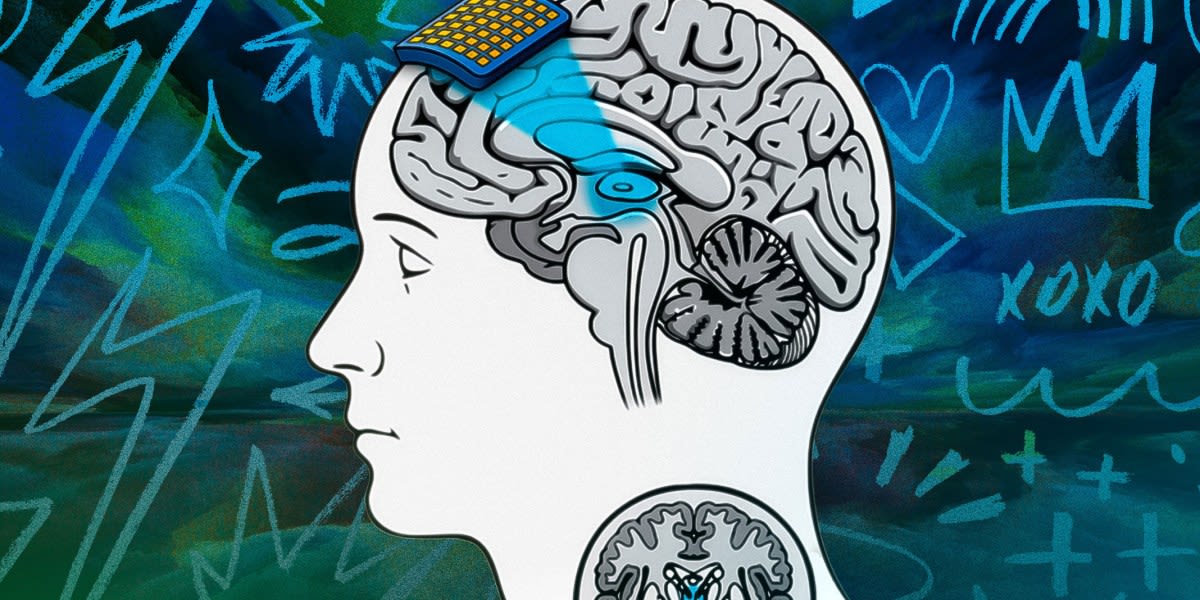
The key is transcranial focused ultrasound, a noninvasive technology that can reach deeper into the brain with better precision than traditional tools like EEG or MRI. It works by sending acoustic waves through the skull to stimulate specific brain areas just a few millimeters wide, allowing scientists to observe what happens when different structures activate.
MIT philosopher Matthias Michel and Lincoln Lab researcher Daniel Freeman recently published a paper showing how this tool could test two competing theories about consciousness. The first, called "cognitivist," suggests our conscious experiences require higher-level thinking processes like reasoning and self-reflection, likely happening in the frontal cortex.
The competing "non-cognitivist" theory proposes that consciousness emerges from specific neural patterns in deeper brain structures or the back of the cortex. These patterns might create our subjective experiences directly, without needing complex thought processes.
The ability to test these theories represents a massive leap forward. Previously, exploring these questions required invasive neurosurgery, limiting research to rare medical cases.
"This is a tool that's not just useful for medicine, or even basic science, but could also help address the hard problem of consciousness," Freeman explains. The technology could reveal where in the brain our sense of pain originates, how vision works, or even how complex human thoughts form.
Why This Inspires
The implications stretch far beyond academic curiosity. Understanding consciousness could transform how we treat conditions affecting awareness, perception, and mental health. It might help patients in comas, people with chronic pain, or those struggling with disorders of consciousness.
What makes this breakthrough particularly exciting is its accessibility. Unlike invasive procedures limited to surgical patients, transcranial focused ultrasound could enable widespread research, accelerating discoveries that benefit everyone.
The technology represents humanity's drive to understand our most essential mystery: what makes us conscious, thinking, feeling beings. For the first time, we have a safe, precise tool to explore the origins of our inner world.
Scientists are closer than ever to answering questions philosophers have pondered for millennia.
Based on reporting by MIT Technology Review
This story was written by BrightWire based on verified news reports.
Spread the positivity!
Share this good news with someone who needs it