MIT Uses AI to Design New Antibiotics for Superbugs
Researchers at MIT have used artificial intelligence to create powerful new antibiotics that can kill drug-resistant bacteria, offering hope in the global fight against superbugs. The breakthrough could transform how we develop life-saving medications.
Scientists at MIT have cracked a code that could save millions of lives: they've taught artificial intelligence to design entirely new antibiotics that work against bacteria resistant to current drugs.
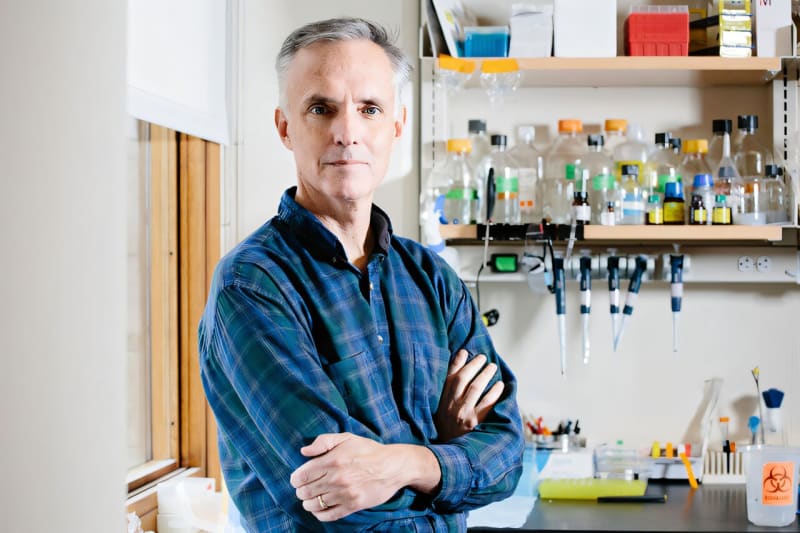
James Collins, a pioneer in synthetic biology at MIT, led a team that combined deep learning with biology to discover halicin, a potent new antibiotic. The drug works against multiple types of drug-resistant bacteria that traditional medicines can't touch.
But the team didn't stop there. In 2025, they published research showing how generative AI created two more breakthrough antibiotics from scratch. One drug, called NG1, targets gonorrhea strains that resist first-line treatments while leaving healthy bacteria alone. The other, DN1, successfully cleared MRSA infections in mice without toxic side effects.
The secret lies in collaboration. Collins worked with computer science experts Regina Barzilay and Tommi Jaakkola at the MIT Jameel Clinic for Machine Learning in Health. Together, they merged artificial intelligence expertise with deep knowledge of how bacteria work and how disease spreads.
They also partnered with Harvard's Donald Ingber to test these AI-designed drugs using organs-on-chips technology. These tiny platforms mimic human tissue, letting researchers see how drugs behave in conditions that mirror real human bodies better than traditional animal testing.
The team is now using AI to design antibiotics with properties that make them better candidates for actual clinical use. By combining computer predictions with rapid biological testing, they're shortening the years-long process of drug discovery.
Collins co-founded Phare Bio, a nonprofit organization dedicated to using AI for antibiotic discovery. The organization runs the Antibiotics-AI Project, pushing this research from laboratory breakthroughs toward real medications people can access.
The Ripple Effect
This work arrives at a critical moment. Drug-resistant bacteria kill over a million people worldwide each year, and that number is climbing. Traditional antibiotic development takes decades and costs billions, which is why pharmaceutical companies have largely abandoned the field.
AI changes that equation entirely. What once took years of trial and error can now happen in months. The technology doesn't just find existing molecules that might work. It imagines entirely new chemical structures designed specifically to overcome bacterial defenses.
The approach transforms antibiotic development from reactive to proactive. Instead of waiting for bacteria to evolve resistance and then scrambling for solutions, scientists can now stay ahead of the curve. They're designing drugs that target bacteria in novel ways, making resistance far less likely.
These partnerships between MIT, Harvard, and the Broad Institute show how bringing together different expertise creates solutions no single lab could achieve alone. Computer scientists, biologists, and medical engineers working side by side are accelerating discoveries that will protect public health for generations.
The future looks brighter for fighting infections that once seemed unstoppable.
More Images

Based on reporting by Phys.org
This story was written by BrightWire based on verified news reports.
Spread the positivity!
Share this good news with someone who needs it