MIT's AI Solves Complex Engineering 10x Faster
MIT researchers created an AI tool that tackles complex engineering problems up to 100 times faster than traditional methods. The breakthrough could transform everything from designing safer cars to optimizing power grids.
Engineers just got a powerful new ally in solving some of their toughest challenges, from designing safer vehicles to building better power grids.
Researchers at MIT developed an AI system that finds optimal solutions to complex engineering problems up to 100 times faster than current methods. The tool works like "ChatGPT for spreadsheets," helping engineers cut through hundreds of design variables to focus on what really matters.
Graduate student Rosen Yu and his team reimagined a classic optimization method called Bayesian optimization by adding a special ingredient: a foundation model trained on tabular data. Unlike traditional approaches that need constant retraining, their system adapts on the fly.
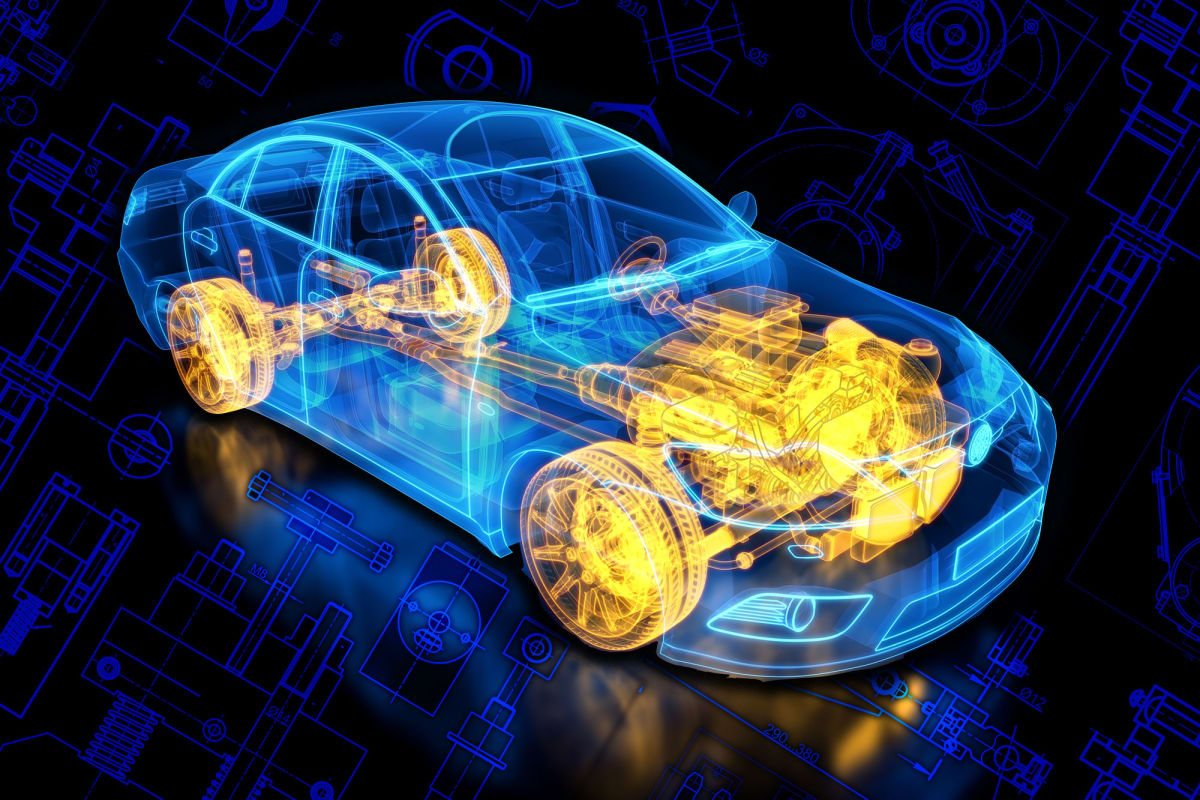
The secret lies in the AI's ability to identify which variables matter most. A car might have 300 design criteria, but not all of them drive safety improvements equally. The algorithm smartly zeros in on the critical features, like crumple zone dimensions, while ignoring less important factors.
This smart filtering saves massive amounts of time and money. Instead of testing every possible combination through expensive methods like crash tests, engineers can predict which designs will perform best. The more complex the problem, the bigger the speedup.
The tool doesn't need retraining between uses, making it remarkably efficient. Engineers can apply it to entirely different challenges without starting from scratch, whether they're optimizing materials, discovering new drugs, or designing power systems.
The Ripple Effect
The implications extend far beyond individual engineering projects. Faster optimization means companies can develop safer products more quickly while spending less on testing. This could accelerate innovation across industries where trial and error is prohibitively expensive.
The approach also democratizes advanced engineering by making sophisticated optimization accessible to smaller teams without massive computing budgets. A foundation model that works across different applications eliminates the need for specialized AI expertise in every domain.
The researchers will present their work at the International Conference on Learning Representations, where other scientists can build on the breakthrough. The system's reusability means discoveries in one field could speed up progress in completely unrelated areas.
The team's vision is ambitious but practical: fundamentally changing how engineers and scientists create complex systems. By combining modern AI with proven optimization methods, they've created a tool that's both powerful and practical for real-world use.
This breakthrough shows how AI can amplify human expertise rather than replace it, giving engineers superpowers to solve problems that once seemed impossibly complex.
Based on reporting by MIT News
This story was written by BrightWire based on verified news reports.
Spread the positivity!
Share this good news with someone who needs it