MIT's Chemical-Free Process Saves Maine Oyster Farms
Scientists at MIT have developed an electricity-powered method to reverse ocean acidification in oyster hatcheries, protecting shellfish without using any chemicals. The breakthrough is already helping Maine's $60 billion global aquaculture industry thrive.
Ocean acidification was killing baby oysters in Maine, threatening a $60 billion global industry and the coastal communities that depend on it. Now, MIT scientists have found a way to turn acidic water alkaline using nothing but electricity.
Bill Mook knows the problem firsthand. Around 2009, the founder of Mook Sea Farm in Maine watched helplessly as early-stage oyster larvae began dying in his tanks. "It was a catastrophe," he says. "We lost several hundred thousand dollars' worth of production."
The culprit was ocean acidification. When seawater absorbs carbon dioxide from the atmosphere, it forms carbonic acid that makes building shells nearly impossible for oysters and other shellfish. The problem isn't decades away. It's happening right now in hatcheries across America's extensive coastline.
Professor Kripa Varanasi and his team at MIT spent years developing a solution with Professor T. Alan Hatton. Their electrochemical process uses reactive electrodes to manipulate seawater's pH without adding any chemicals or minerals. The method pulls carbon dioxide out of the water, then reverses the voltage to turn acidic water back to alkaline before releasing it.
"A lot of researchers are studying direct air capture, but very few are working in the ocean-capture space," explains Hatton. "Our approach is to use electricity rather than add chemicals to manipulate the solution pH."
The team partnered with researchers at the University of Maine Darling Marine Center to test the approach in real hatcheries. Former student Simon Rufer explains the science simply: "By alkalizing the water, we actually make it easier for the oysters to form and maintain their shells."
The results exceeded expectations. In trials, oysters treated with MIT's buffer approach did better than those treated with the traditional chemical method of adding sodium bicarbonate. Even better, the process creates zero waste products. Ocean water goes in, alkaline water comes out, and carbon dioxide is captured as gas.
The Ripple Effect
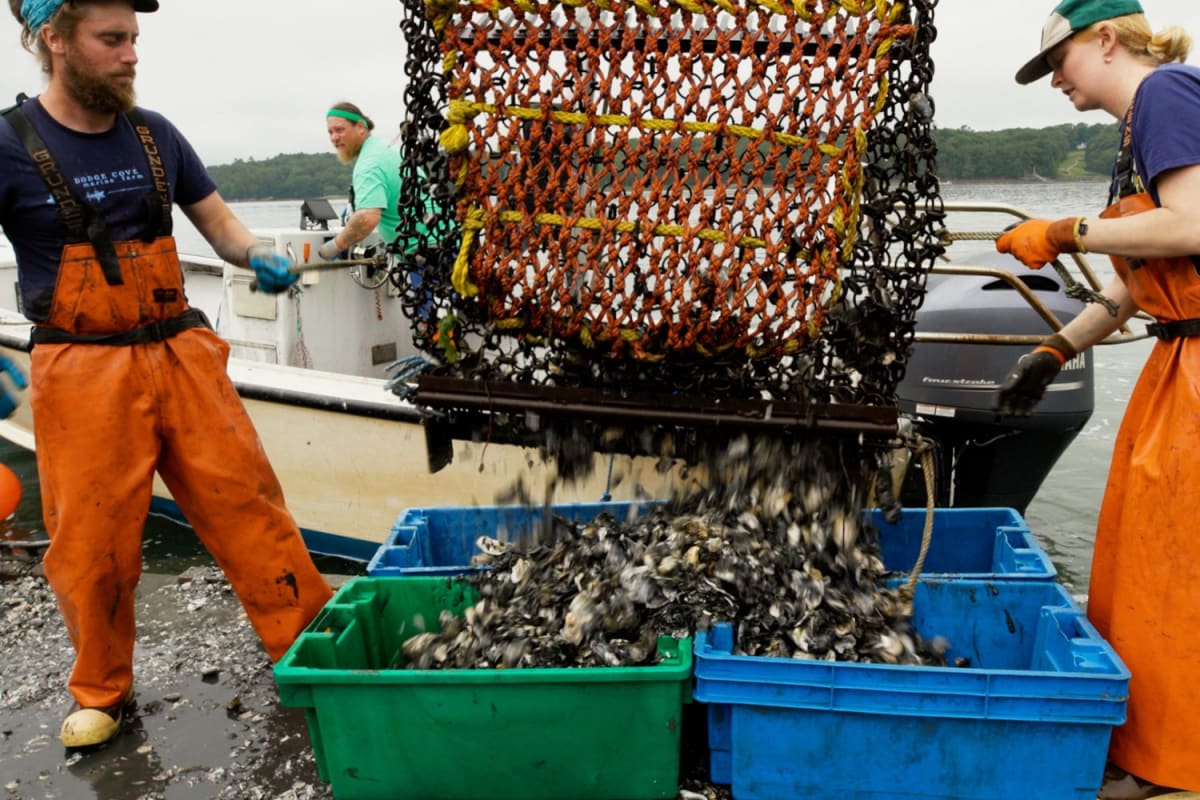
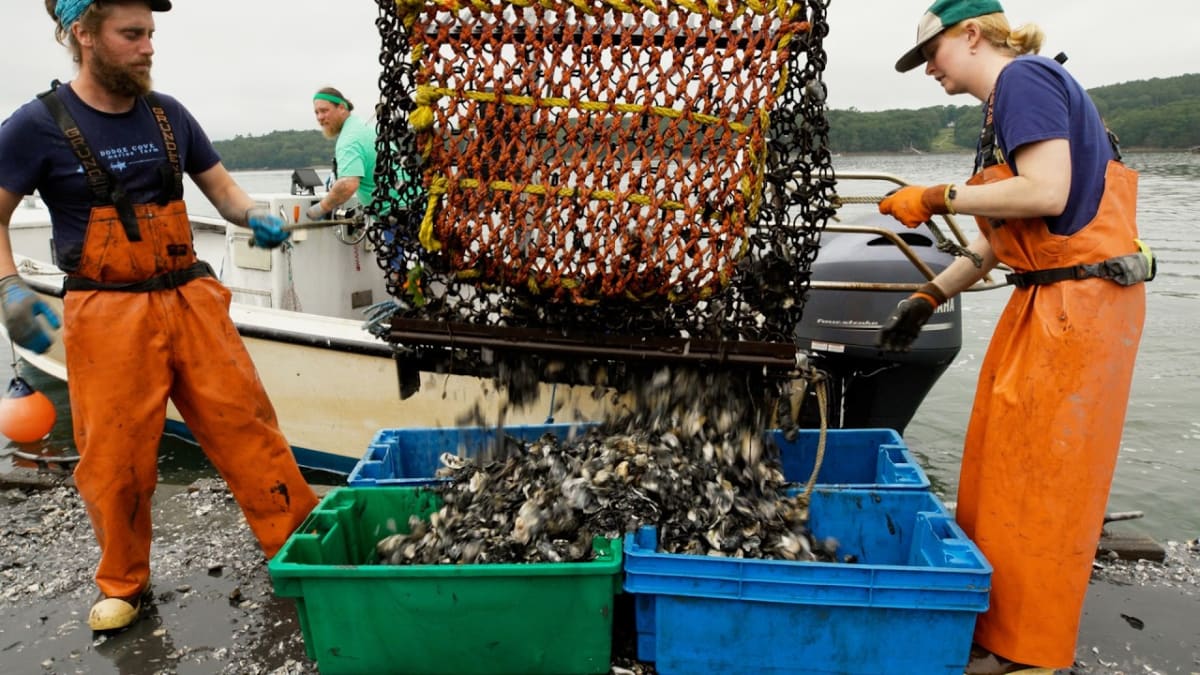
Maine's Damariscotta River Estuary produces 70 percent of the state's oyster crop. Professor Damian Brady of the University of Maine says the community has "grown into an oyster-producing powerhouse that is not only part of the economy, but part of the culture."
The innovation could expand far beyond Maine. Shellfish are essential for water quality, coastal erosion prevention, and maintaining healthy marine ecosystems. When shellfish populations decline, entire food webs suffer. With roughly 25 to 30 percent of atmospheric carbon dioxide dissolving into our oceans, the need for solutions has never been more urgent.
Varanasi sees enormous potential: "With the right innovations, there is a substantial opportunity to expand domestic production."
What started as a crisis in Maine's oyster tanks may become the solution coastal communities worldwide need to protect both their economies and their oceans.
More Images
Based on reporting by MIT News
This story was written by BrightWire based on verified news reports.
Spread the positivity!
Share this good news with someone who needs it