MIT's New Carbon Capture Method Uses 99% Less Energy
MIT researchers developed a breakthrough carbon capture technology that avoids the expensive, energy-draining problems plaguing current methods. The innovation could finally make removing CO2 from the air affordable and scalable enough to fight climate change.
Scientists at MIT just solved one of the biggest roadblocks standing between us and cleaner air.
Current carbon capture technology works, but it guzzles energy and costs too much to deploy at the scale we need. That's left one of our most promising climate tools stuck in the lab while emissions keep rising.
Now a team of MIT researchers has created an alternative approach that sidesteps those problems entirely. Instead of conventional amine scrubbing, which requires intense heat and energy, they developed electrochemical carbon capture powered by renewable electricity.
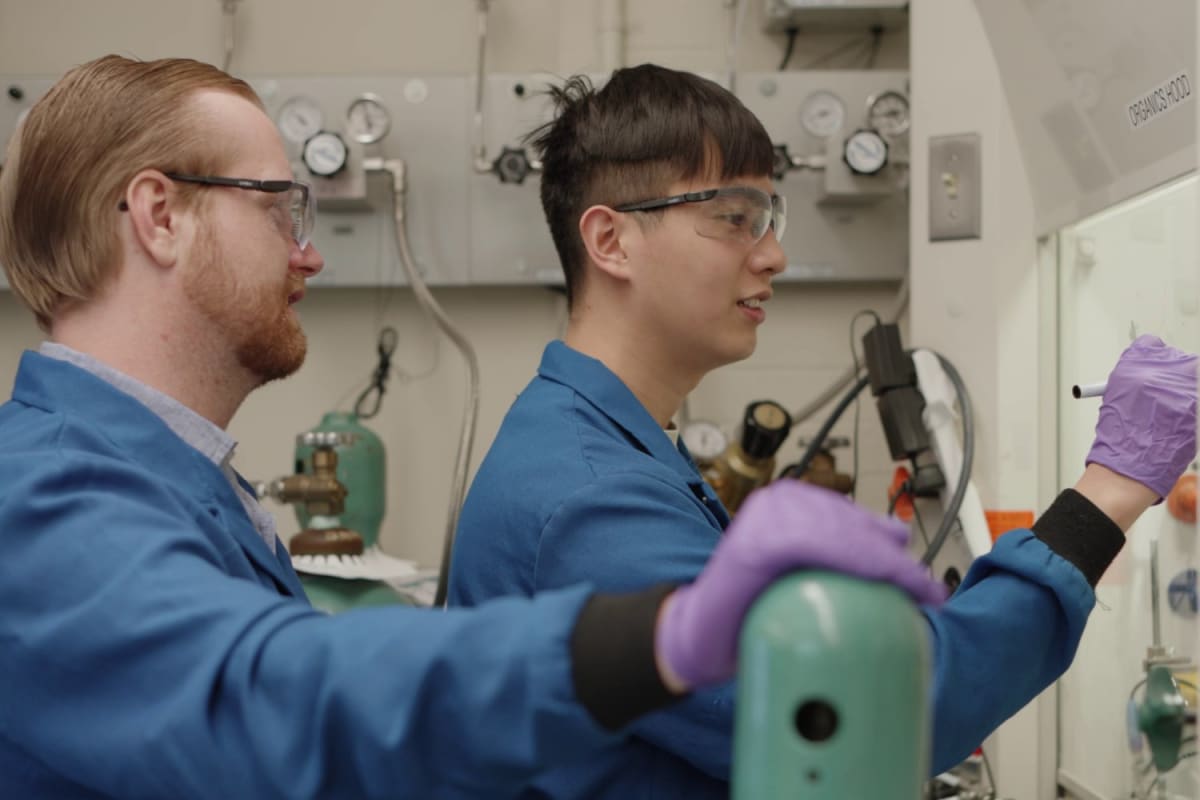
Graduate students Fang-Yu Kuo and Gi Hyun Byun, working with Professor Betar Gallant and colleagues, published their findings in Nature Energy in June 2026. Their system uses molecules called N-heterocyclic imines (NHIs) that grab and release CO2 through a clever electrochemical process.
Here's what makes it special: previous electrochemical methods required extremely low voltages that triggered problematic side reactions with oxygen. The MIT team's NHI-based approach works at much gentler conditions, avoiding those efficiency-killing reactions altogether.
Even better, their initial design can theoretically capture two CO2 molecules for every electron used. That's double the efficiency of comparable systems.
The Ripple Effect
This isn't just a lab curiosity. Scalable, affordable carbon capture could transform how we fight climate change.
The technology runs on renewable electricity, meaning it could operate anywhere with solar or wind power. That flexibility opens possibilities for capturing emissions directly at power plants, factories, or even pulling CO2 straight from the air.
The researchers can also tweak the NHI molecules to work in different environments, letting them optimize the system for specific uses. Want maximum energy efficiency? They can tune for that. Need it to work in harsh industrial conditions? They can adjust the chemistry.
Kuo and her team are already working on the next generation. They're studying how the molecules break down over time so they can design versions that last longer and handle more capture-and-release cycles.
The path from lab breakthrough to worldwide deployment takes years, but this research tackles the core problem that's kept carbon capture too expensive to scale. With climate goals requiring us to not just reduce emissions but actually remove CO2 from the atmosphere, affordable capture technology isn't optional anymore.
Every major climate scenario for limiting warming to 1.5 degrees includes significant carbon removal. Now we're one step closer to technology that could actually deliver it.
Based on reporting by MIT News
This story was written by BrightWire based on verified news reports.
Spread the positivity!
Share this good news with someone who needs it


