MIT's New DNA Vaccine Shows 8X Boost Against HIV
Scientists at MIT and Scripps Research just made a breakthrough that could finally lead to an effective HIV vaccine. Their DNA-based approach generated eight times more of the rare immune cells needed to fight the virus compared to current leading candidates.
For decades, HIV has evaded every vaccine attempt because the virus mutates faster than our immune system can keep up. But a new approach using DNA scaffolding just brought us closer than ever to a solution.
Researchers at MIT and the Scripps Research Institute developed a vaccine that trains the body to create special immune cells called broadly neutralizing B cells. These rare cells can recognize and attack multiple strains of HIV, even as the virus tries to disguise itself.
The breakthrough centers on how the vaccine delivers its message to the immune system. Previous attempts used protein particles to carry the HIV antigen, but these particles triggered unwanted immune responses that distracted from the main target. Think of it like trying to teach someone to spot a specific face in a crowd, but accidentally drawing attention to the frame around the photo instead.
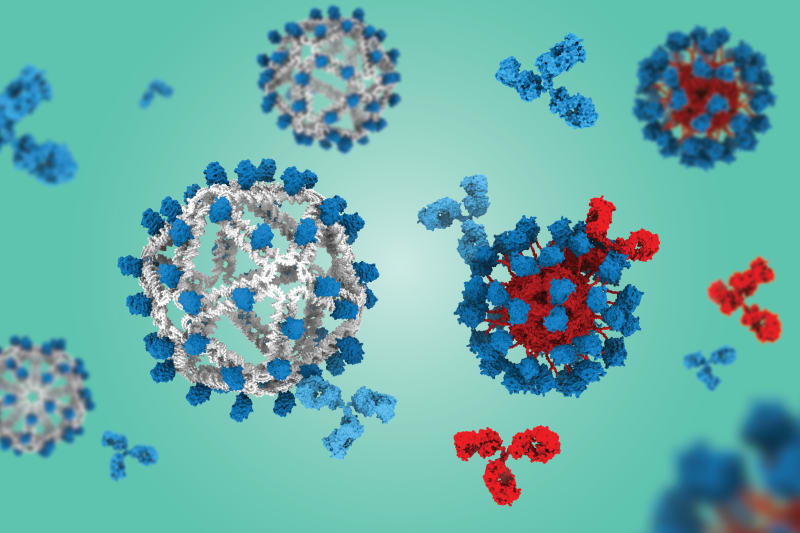
The MIT team switched the frame from protein to DNA. Using a technique called DNA origami, they built virus-like particles that display copies of an engineered HIV component called eOD-GT8. When tested in humanized mice, the DNA version produced eight times more of the desired B cells than the protein version, which was already performing well in human clinical trials.
"We were all surprised that this already outstanding vaccine was significantly outperformed by the DNA-based version," says Mark Bathe, MIT professor of biological engineering. The DNA scaffold solved another critical problem: it doesn't trigger its own immune response, meaning doctors could use it to deliver multiple antigens in the complex series of shots needed to train the immune system against HIV.
The Ripple Effect
This technology isn't just about HIV. The same DNA scaffold approach could work for other rapidly mutating viruses like influenza, which kills hundreds of thousands globally each year. Any disease that requires training the immune system through multiple vaccine doses could benefit from a delivery system that stays invisible to our defenses.
The research also answers a fundamental question that has puzzled vaccine developers for years: whether the vaccine carrier itself interferes with generating the right immune response. Now scientists know it does, and they know how to fix it.
This represents the crucial first step in a three-stage vaccination process needed to generate full HIV protection. While a complete HIV vaccine still requires the second and third stages, expanding these rare precursor B cells has been the biggest roadblock.
The findings appeared in Science today, moving from laboratory discovery to peer-reviewed breakthrough. Human trials are the next frontier, bringing hope to the 39 million people worldwide living with HIV and the communities still facing new infections every day.
Based on reporting by MIT News
This story was written by BrightWire based on verified news reports.
Spread the positivity!
Share this good news with someone who needs it