MIT's New Memory Chip Makes 1 Error Per 100,000 Uses
Scientists at MIT just built a super-fast memory chip that's 10 times more reliable than previous versions, bringing us closer to powerful quantum computers that could solve problems in seconds that take today's computers years. This breakthrough could transform everything from medical research to climate modeling.
Imagine a computer so powerful it could discover new medicines in hours instead of years. Scientists at MIT just took a major step toward making that dream real.
Researchers at Massachusetts Institute of Technology created a new type of computer memory that works at incredibly cold temperatures and makes only one mistake in every 100,000 operations. That might sound like a small detail, but it's a game changer for building the quantum computers of tomorrow.
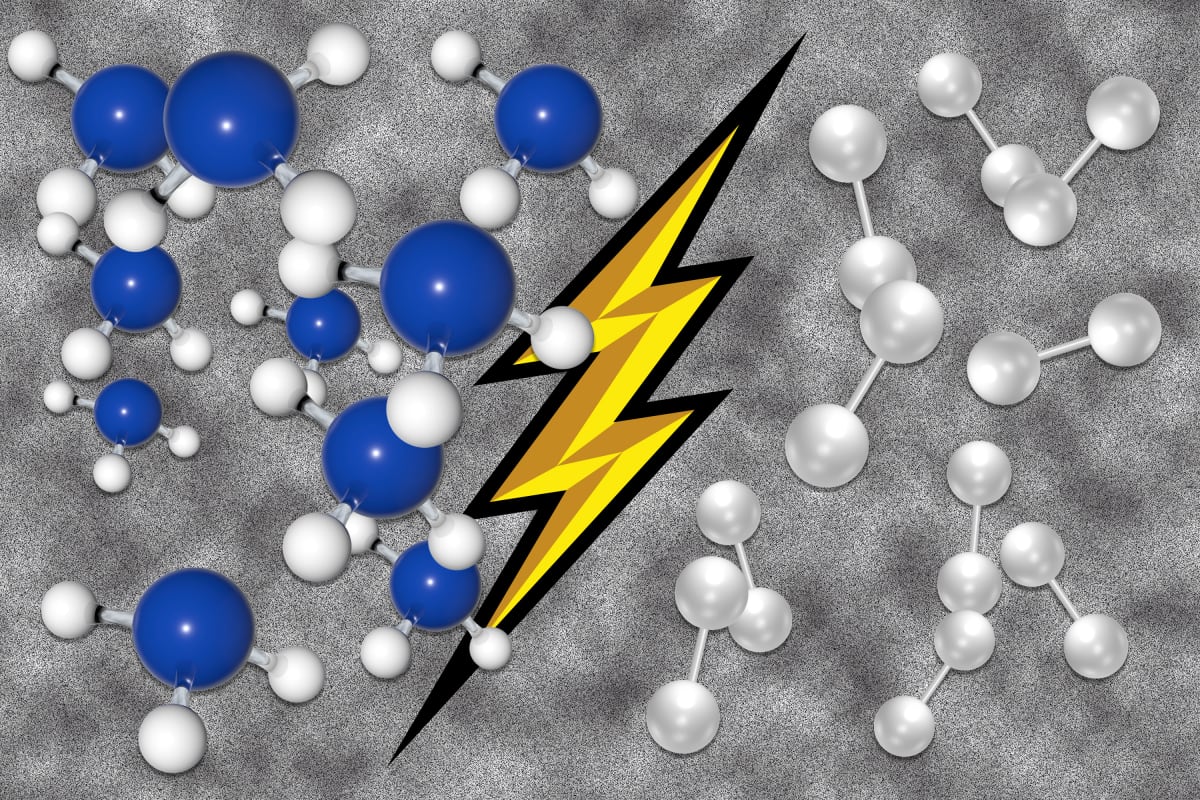
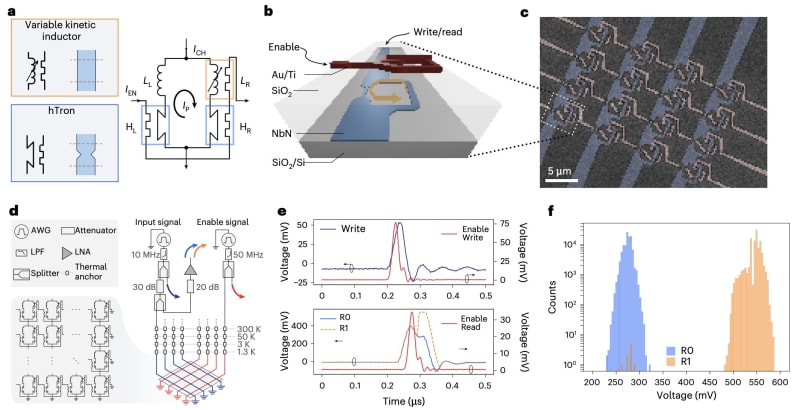
The secret lies in superconducting nanowires, which are materials thinner than a human hair that conduct electricity with zero resistance when chilled to 1.3 degrees above absolute zero. Owen Medeiros, Matteo Castellani, and their team at MIT built a 16-cell memory array that stores information using carefully timed electrical pulses.
Here's how it works: each memory cell contains a tiny loop made of superconducting nanowire with two switches and a special component called a kinetic inductor. When the system sends an electrical pulse to a cell, it briefly heats one of the switches, which injects a magnetic field into the loop to store either a 0 or 1. Once the pulse stops and everything cools back down, the information stays trapped in the loop until needed.
The team published their findings in Nature Electronics, showing their design is not only more accurate than previous superconducting memories but also much easier to scale up. Previous attempts at this technology struggled with high error rates and couldn't be expanded to create larger systems with more memory cells.
Why This Inspires
This breakthrough matters because quantum computers need incredibly reliable memory to unlock their full potential. These machines could revolutionize drug discovery, crack climate change predictions, and solve complex problems that current computers can't touch.
The MIT team's design packs more memory into a smaller space than ever before, achieving a density of 2.6 megabits per square centimeter. That's like fitting an entire library into your pocket, but with the speed and efficiency that quantum computing demands.
What makes this even more exciting is that the technology is ready to improve further. The researchers used computer simulations to understand exactly how their memory cells behave, giving them a roadmap for making even better versions.
For years, superconducting memory has been stuck in the lab because it wasn't reliable enough for real-world use. This new design changes that equation, bringing these ultra-fast, energy-sipping memory systems closer to practical deployment in actual quantum computers.
The error rate of one in 100,000 might not sound perfect, but it's a massive leap forward from where the technology stood just a few years ago. Each improvement brings us closer to computers that could help cure diseases, design better batteries, and tackle challenges we haven't even imagined yet.
The future of computing just got a little brighter, one nanowire at a time.
More Images
Based on reporting by Phys.org
This story was written by BrightWire based on verified news reports.
Spread the positivity!
Share this good news with someone who needs it