MIT's PhysiOpt Makes AI-Designed Objects Work in Real Life
MIT researchers created a system that fixes AI's biggest design flaw: making things that look cool but fall apart when you actually use them. Now anyone can type what they want to create and get a working 3D-printed object in 30 seconds.
Imagine designing the perfect flamingo-shaped drinking glass or steampunk keyholder, only to watch it crumble the first time you use it. That's been the frustrating reality of AI-generated designs, until now.
MIT researchers just solved a problem that's been holding back 3D printing: AI models can dream up beautiful objects, but they don't understand physics. A chair might have disconnected parts. A hook can't hold your coat. A bookend topples over.
Enter PhysiOpt, a new system from MIT's Computer Science and Artificial Intelligence Laboratory that gives AI designs a reality check. It runs physics simulations on every blueprint, making tiny adjustments to ensure your 3D-printed creation actually works when you need it to.
The process is remarkably simple. Type what you want to make into PhysiOpt's interface, or upload an image. Specify how much weight it needs to hold and what material you'll use. In about 30 seconds, you get a design ready to print.
Behind the scenes, PhysiOpt stress-tests every design with something called finite element analysis. Think of it as creating a heat map that shows where your object might fail. Bright red areas mean trouble, so the system reinforces those spots while keeping your design's overall look intact.
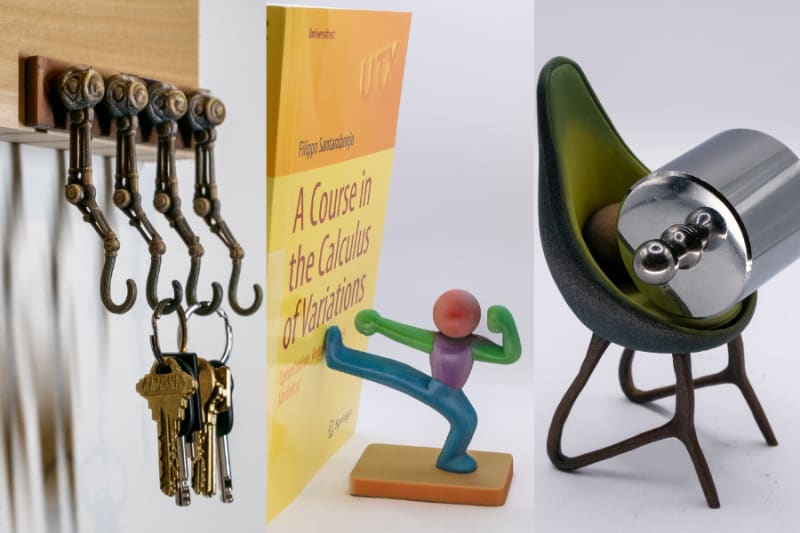
The MIT team put their system through its paces, creating everything from that flamingo glass to a fully functional giraffe-shaped table. A steampunk keyholder with intricate robotic hooks held up perfectly. Each item looked exactly as imagined and survived real-world use.
What makes PhysiOpt special is that it doesn't need extra training. It plugs into existing AI models that already understand what objects should look like. This means it can generate anything from Victorian-style furniture to modern minimalist decor without learning from scratch.
The efficiency gains are striking. When researchers compared PhysiOpt to similar methods, it generated working 3D designs nearly 10 times faster while creating more realistic objects.
Why This Inspires
PhysiOpt democratizes custom design in a way we've never seen before. You no longer need engineering expertise or design skills to create functional, personalized items. A teacher could design custom classroom organizers. A parent could make unique toy holders shaped like their kid's favorite animals. Small business owners could create branded merchandise that actually works.
The system represents a fundamental shift in how we think about AI and creativity. For years, we've worried about AI replacing human jobs or making mistakes. PhysiOpt shows a different path: AI as a collaborative tool that amplifies our imagination while respecting the laws of physics.
Lead researcher Xiao Sean Zhan calls it "smart design," where AI handles the creative vision while automatically ensuring functionality. The technology bridges the gap between digital dreams and physical reality, making personalized manufacturing accessible to virtually anyone with a 3D printer.
This breakthrough turns everyone into a potential designer, bringing us one step closer to a future where the objects we use daily reflect our individual creativity and needs.
Based on reporting by MIT News
This story was written by BrightWire based on verified news reports.
Spread the positivity!
Share this good news with someone who needs it