MIT's Tiny Nanoantennas Kill Brain Cancer Without Surgery
Scientists at MIT have created injectable nanoantennas smaller than a human hair that kill aggressive brain cancer cells wirelessly while leaving healthy tissue completely unharmed. In tests with the deadliest form of brain cancer, the technology extended survival by more than 50 percent with no side effects.
Scientists just made a breakthrough that could transform how we fight the deadliest brain cancer known to medicine.
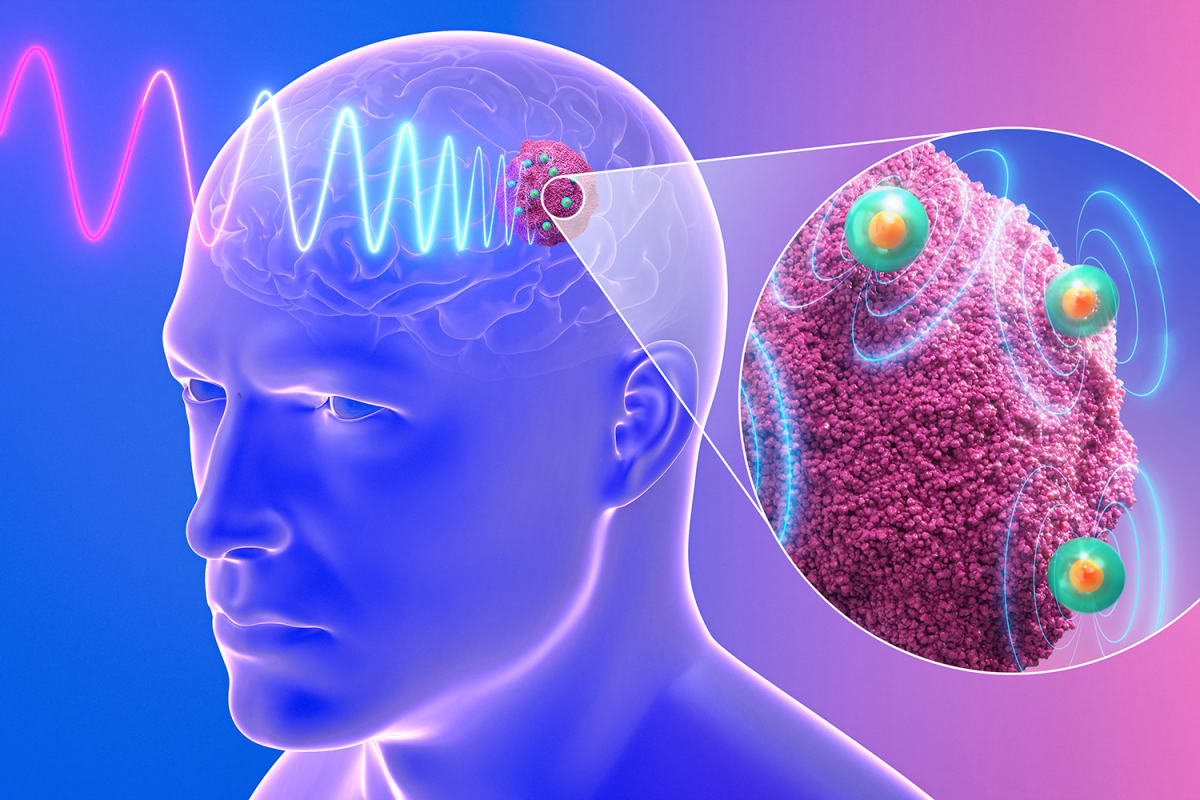
Researchers at MIT's Media Lab developed nanoantennas each about one-hundredth the width of a human hair that can be injected into the brain and activated wirelessly to kill cancer cells. The technology targets glioblastoma, an aggressive brain cancer that typically gives patients just 12 to 15 months to live even with the best treatments available today.
The team named their invention HITMAN, which stands for highly localized electric field induced tumor therapy using magnetically actuated nanoantennas. When doctors apply a low frequency magnetic field from outside the body, it activates the tiny devices to create precise electric fields that disrupt cancer cells at the cellular level.
The results exceeded expectations in every test. Working with actual tumor tissue from glioblastoma patients at Mayo Clinic, the nanoantennas eliminated 52 percent of drug resistant cancer cells in the lab. That's more than five times better than the standard chemotherapy drug temozolomide, and it left healthy brain cells completely untouched.
In mice with human brain tumors implanted in their brains, the technology extended median survival by more than 50 percent. Tests on major organs including the kidneys, liver, spleen, lungs, and heart showed zero detectable damage.
The nanoantennas work by disrupting the natural electric currents that cancer cells need to function. This causes proteins to unfold incorrectly, damages cell membranes, and creates stress that stops cells from making the proteins they need to survive. Cancer cells die while healthy cells remain unharmed because tumors grow faster and have abnormal structures that make them more vulnerable to this type of attack.
The Ripple Effect spreads far beyond just treating existing tumors. The technology reduced the number of cancer cell colonies from up to 150 in control groups down to just 26, suggesting it could dramatically lower the chances of cancer coming back or spreading to other parts of the body.
Getting the nanoantennas to the tumor could become even simpler thanks to earlier work from the same lab. In 2025, the team created "circulatronics," a way to inject devices through a patient's arm and have them travel to the right spot in the brain by integrating them with living cells that bypass the immune system and cross the blood brain barrier naturally.
Current treatments for glioblastoma face enormous challenges because the cancer spreads through brain tissue in ways that make complete removal nearly impossible without affecting thinking and memory. The tumors often resist both radiation and chemotherapy, and the environment around them suppresses the immune system so immunotherapy struggles to work.
This wireless, minimally invasive approach offers hope where traditional methods have repeatedly failed, opening a new path forward for patients facing one of medicine's toughest opponents.
More Images

Based on reporting by MIT News
This story was written by BrightWire based on verified news reports.
Spread the positivity!
Share this good news with someone who needs it