MIT's Tiny Satellite Engine Is Fast AND Fuel-Efficient
Engineers created a breakthrough propulsion system that gives briefcase-sized satellites both speed and precision, powered by a single fuel tank. The technology could send small, affordable spacecraft to Mars and beyond.
Small satellites just got their rocket science moment. MIT engineers developed a propulsion system that lets tiny spacecraft zip through space quickly or cruise efficiently, all using the same fuel tank.
For years, satellites faced a tough choice. Chemical thrusters provided power and speed but guzzled fuel. Electric thrusters sipped fuel slowly but could only manage gentle nudges. Small satellites couldn't fit both systems, limiting what they could accomplish.
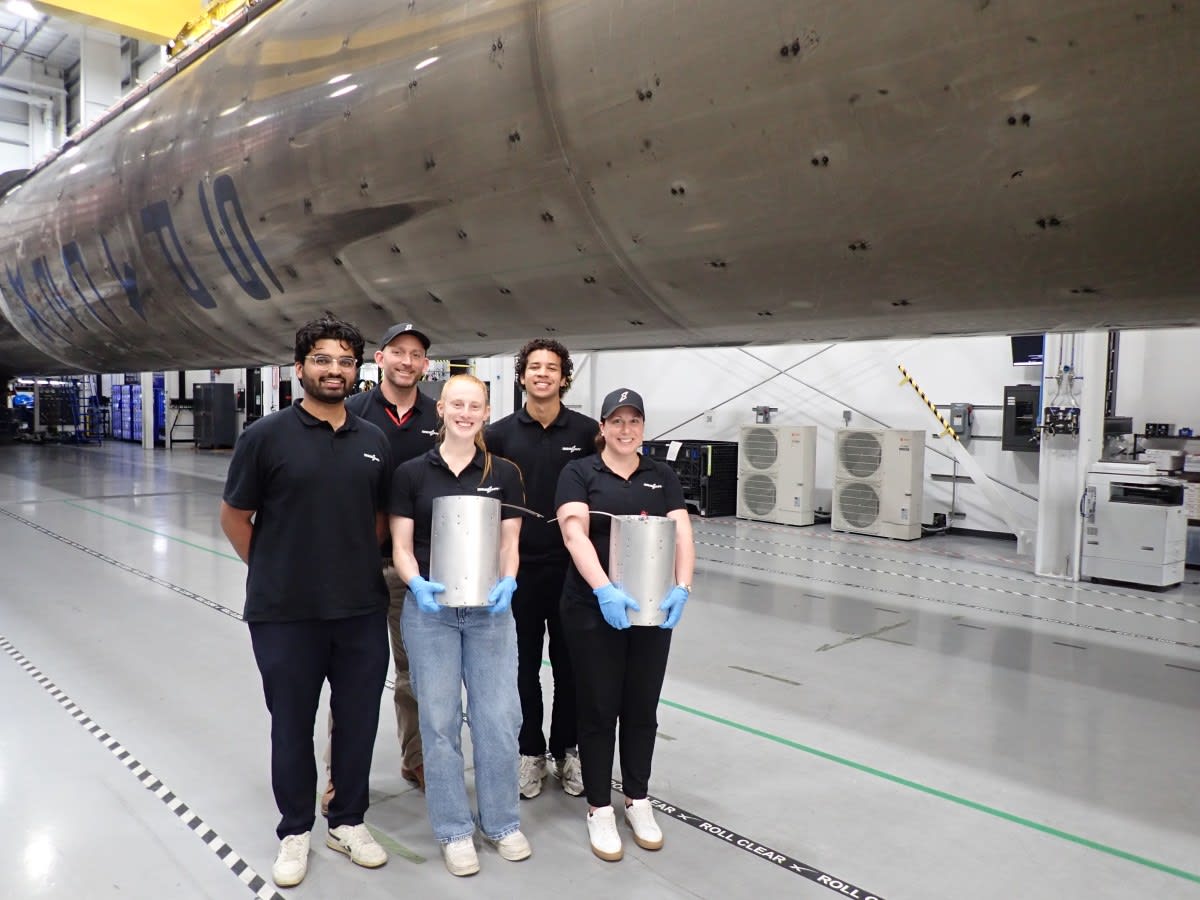
The breakthrough centers on a special propellant called ASCENT, originally developed by the U.S. Air Force. Researcher Amelia Bruno and her MIT team discovered this green fuel powers both thruster types beautifully. Think of it like designing a car engine that runs equally well on highway speeds and precise parking maneuvers.
"If you can have chemical and electrical propulsion in one small package, it's the best of both worlds," says Bruno, lead author of the study published in the Journal of Propulsion and Power. "This opens the door for small satellites to do even more science, more observations, and more interesting missions, all on a smaller and cheaper platform."
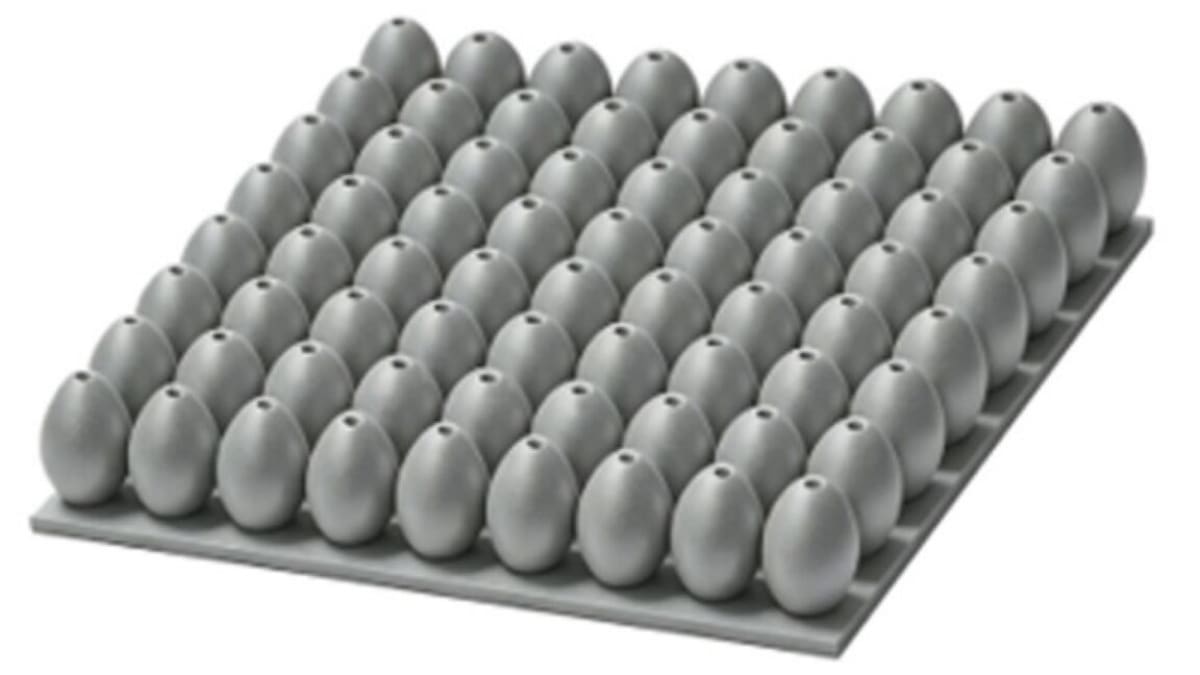
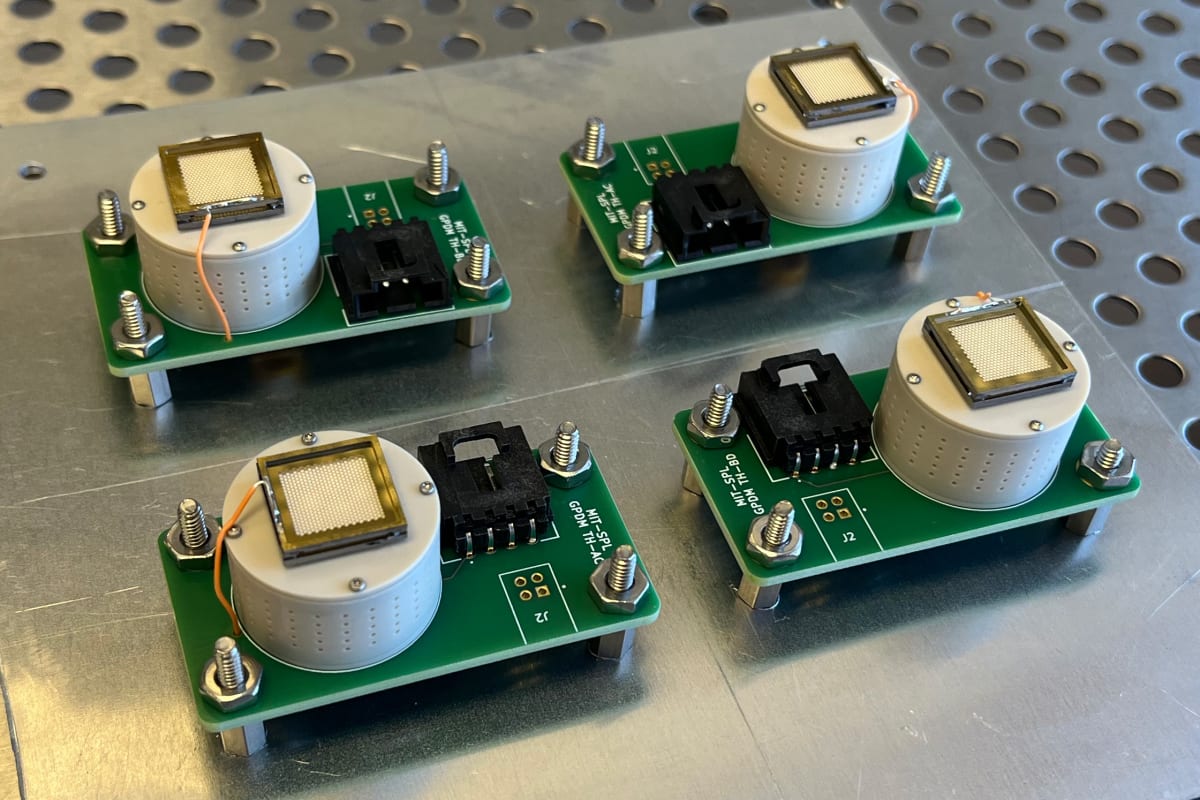
The electric component uses thumbnail-sized electrospray thrusters. These dime-sized rockets spray electrically charged fuel particles into space with remarkable efficiency. They're perfect for long, slow journeys across millions of miles.
The chemical thrusters kick in when satellites need quick bursts. Speeding up, slowing down, or dodging space debris all require fast reactions that electric thrusters can't deliver alone.
NASA is already on board. The agency will launch the Green Propulsion Dual Mode mission, testing this hybrid system on a briefcase-sized CubeSat. Four electrospray thrusters and one chemical thruster will share a single fuel reservoir.
Professor Paulo Lozano envisions CubeSats exploring Mars or the asteroid belt. "You could use your chemical thrusters to quickly move to look at interesting features," he says. "You could have a lot more flexibility to do a lot more things."
The Ripple Effect
This isn't just about better satellites. Smaller, more capable spacecraft mean cheaper space missions. Universities, small companies, and developing nations can afford to explore space. Scientific discoveries that once required billion-dollar satellites could happen on million-dollar budgets.
The technology makes space exploration more democratic. Countries without massive space programs can send missions to distant planets. Student researchers can test theories beyond Earth's orbit. Climate scientists can deploy more observation satellites to track environmental changes.
Small satellites already transformed Earth observation and communications. This dual-mode propulsion could extend that revolution across the solar system, one briefcase-sized explorer at a time.
If the NASA mission succeeds, we're looking at a new era where tiny spacecraft pack serious punch.
Based on reporting by MIT News
This story was written by BrightWire based on verified news reports.
Spread the positivity!
Share this good news with someone who needs it