Mizzou Finds Protein That Could Transform Blood Pressure Care
University of Missouri researchers discovered a protein that drives high blood pressure, potentially offering a new treatment path for nearly half of U.S. adults struggling with the condition. The breakthrough could lead to more precise therapies with fewer side effects.
Scientists at the University of Missouri just identified a protein that could change how millions of Americans treat high blood pressure.
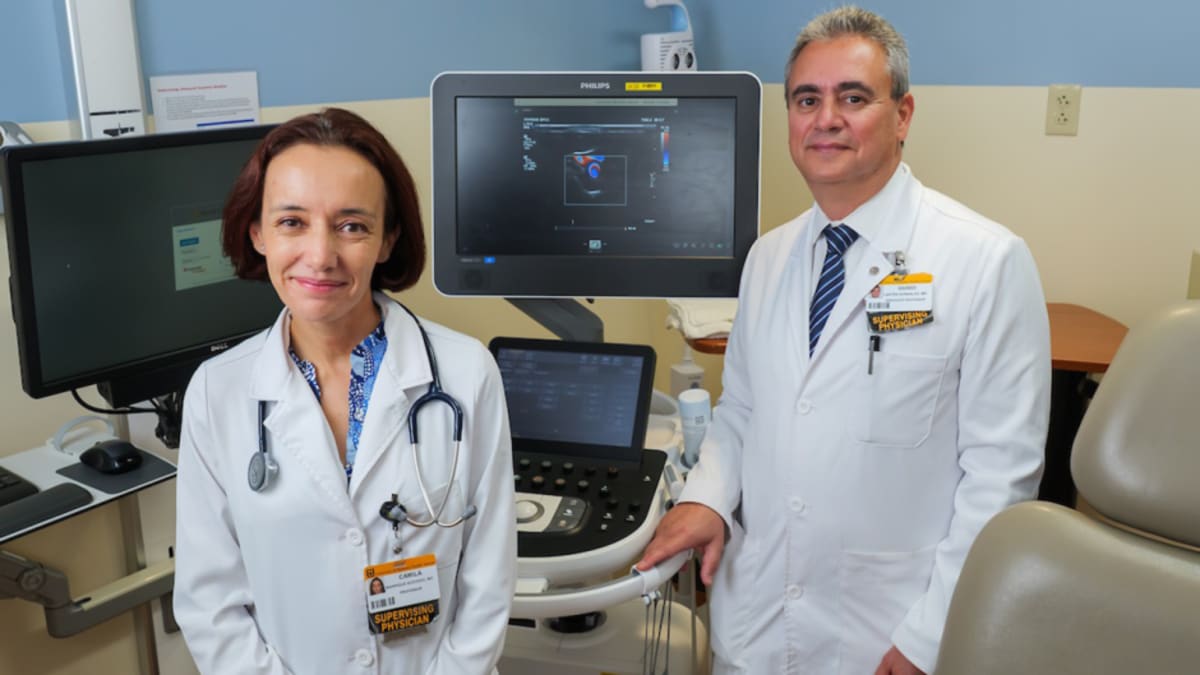
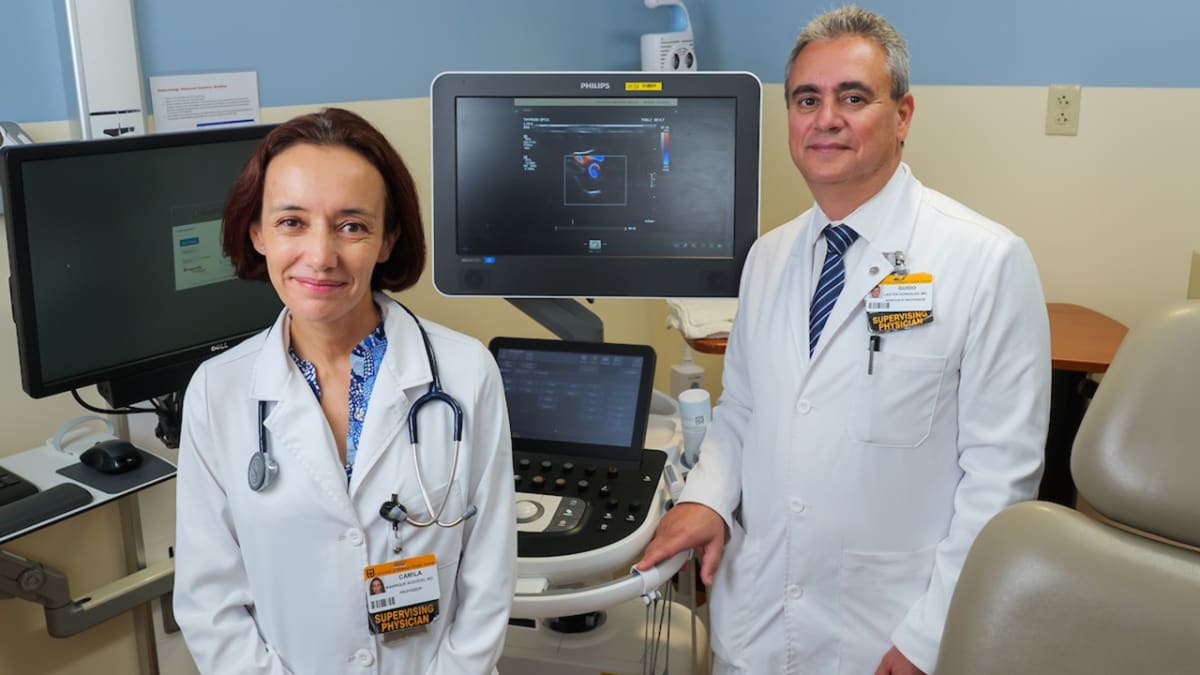
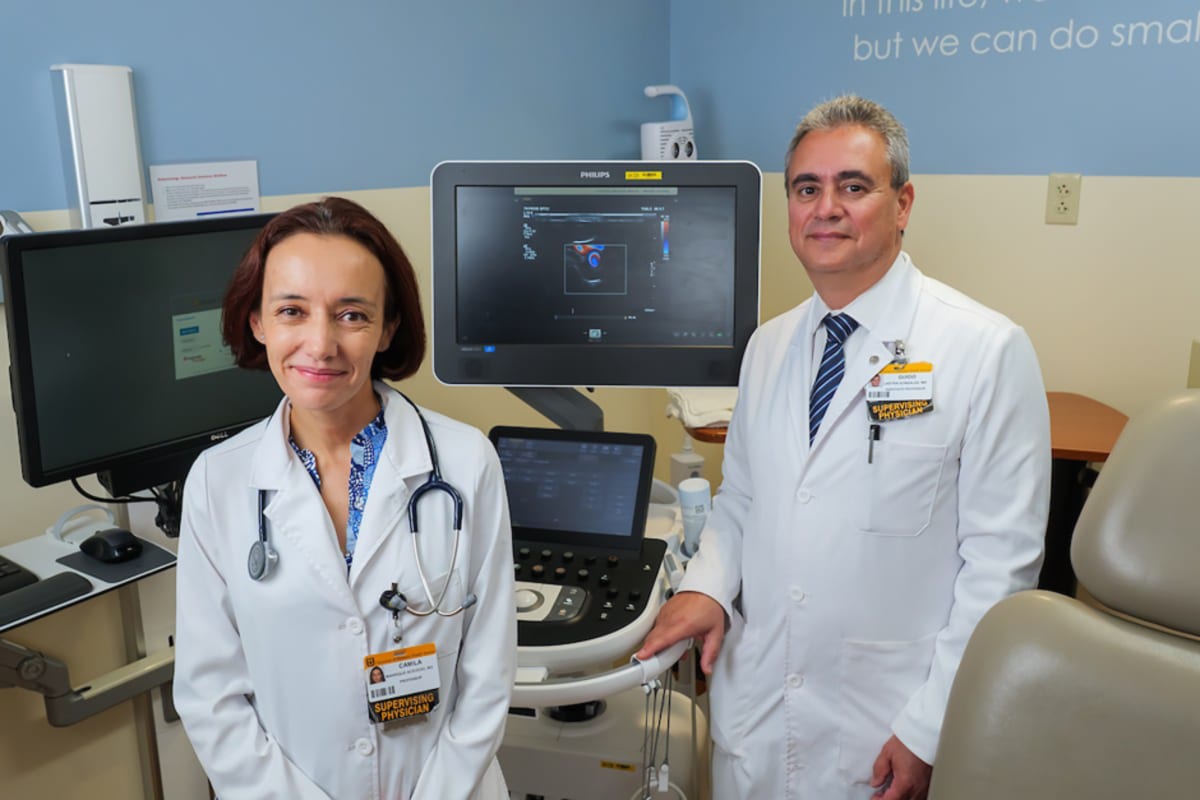
Researchers Camila Manrique-Acevedo and Guido Lastra discovered that a protein called TG2 plays a key role in arterial stiffening and inflammation, two major drivers of hypertension. By understanding this protein, they're opening doors to treatments that could prevent heart attacks and strokes before they happen.
The discovery matters because nearly half of U.S. adults live with high blood pressure. While current medications help many people, countless others still struggle to control their condition despite following treatment plans.
"If we can better understand the underlying mechanisms contributing to hypertension in the first place, perhaps that can one day lead to more precise treatments with potentially fewer side effects," said Manrique-Acevedo, a professor at Mizzou's School of Medicine.
The team studied mice to understand how TG2 affects blood pressure. When they removed TG2 from certain immune cells and then exposed the mice to a blood pressure-raising hormone, something remarkable happened. The mice experienced significantly less blood pressure increase, arterial stiffening, and inflammation compared to mice with normal TG2 levels.
The findings suggest that blocking TG2 activity in immune cells could offer a completely new approach to treating high blood pressure by targeting inflammation at its source. This represents a shift from simply managing symptoms to addressing one of the biological processes that causes hypertension.
Why This Inspires
What makes this research particularly exciting is its potential for precision medicine. Manrique-Acevedo, who treats patients at University Hospital and Harry S. Truman Memorial Veterans' Hospital, sees a future where treatments can be tailored to individual patients based on their specific biological markers.
The study focused on female subjects, and future research will explore whether the same approach works in males. This attention to gender differences in medical research means better, more targeted care for everyone.
The research, supported by the U.S. Department of Veterans Affairs, was published in the American Journal of Physiology. While more studies are needed before this becomes a treatment option, the team has identified a clear biological pathway that could lead to new therapies within years, not decades.
For the millions of Americans checking their blood pressure daily and adjusting medications, this discovery brings real hope for better solutions ahead.
More Images


Based on reporting by Google News - New Treatment
This story was written by BrightWire based on verified news reports.
Spread the positivity!
Share this good news with someone who needs it