MLB Ballparks Diverted 10,932 Tons of Waste in 2024
All 30 Major League Baseball stadiums are now powered by LED lighting and offer water refill stations, part of a massive green push that kept nearly 11,000 tons of recyclables out of landfills last year. The league just honored five teams for standout sustainability efforts that turned plastic waste into park benches and slashed water and energy use.
Baseball is proving that America's favorite pastime can also be one of its greenest.
Major League Baseball announced its 2024 Sustainability Award winners this Earth Day, celebrating a year when teams donated 180 tons of excess food, composted materials equal to 14 million baseball gloves in weight, and kept recyclables equivalent to 729,000 World Series trophies from reaching landfills. Every single ballpark in the league now runs on LED field lighting and provides fans with water refill stations.
The Minnesota Twins took home the Green Glove Award for the highest waste diversion rate across the season. The Chicago White Sox earned the Power Pitch Award for cutting energy use more than any other team, while the Washington Nationals won the H2O Home Run Award for their dramatic reduction in water consumption.
The San Diego Padres claimed the new Diamond Diversion Award for their year-over-year improvement in sorting everyday waste into recycling and composting streams. But the Atlanta Braves might have scored the most creative win.
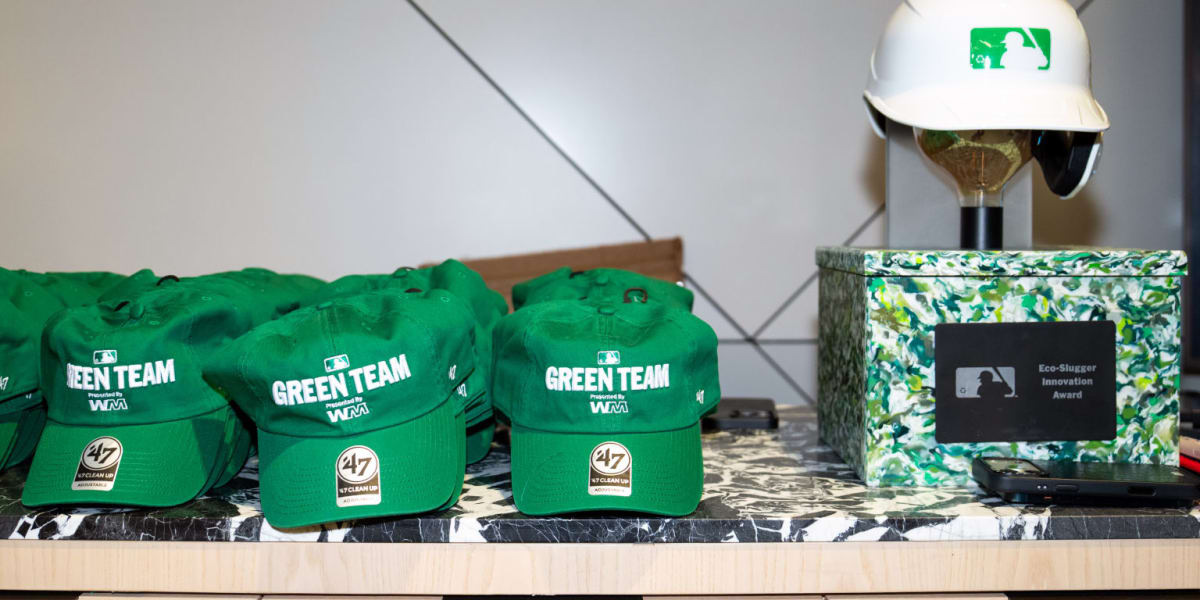
The Braves earned the Eco-Slugger Innovation Award for tackling a problem most stadiums ignore: thin plastic film that typically ends up in landfills. Working with the Atlanta Braves Foundation, Truist Park collected over 1,100 pounds of plastic film in just half a season by training staff to separate it at the source and redesigning back-of-house procedures.
That plastic didn't just disappear. The team transformed it into a durable community bench, proving waste can become something beautiful and useful.
The efforts extend far beyond the five winners. Twenty-nine teams now offer bike and scooter parking for fans choosing greener transportation, while 28 clubs run food donation programs feeding their local communities. Twenty ballparks have installed electric vehicle chargers, and 15 grow food in on-site gardens.
MLB partnered with WM, the league's first-ever Official Sustainability Partner, to make these changes possible. WM offers free advisory services to all 30 teams, helping them reduce waste, manage emissions, and hit their environmental goals. The collaboration helped MLB All-Star Week earn Gold Status from the Council for Responsible Sport for the seventh consecutive year.
The Ripple Effect
When millions of baseball fans see composting bins, water refill stations, and bike racks at their home stadium, sustainability stops feeling like a sacrifice and starts looking normal. The donated meals fed 300,575 people in communities across America, turning would-be waste into nourishment for neighbors in need.
Baseball stadiums have become testing grounds for what works in large-scale sustainability, from thin plastic film recycling to high-efficiency irrigation systems. Those lessons can spread to concert venues, football stadiums, and anywhere crowds gather.
The greenest game in America just got a whole lot greener.
More Images

Based on reporting by MLB News
This story was written by BrightWire based on verified news reports.
Spread the positivity!
Share this good news with someone who needs it