Moderna Cancer Vaccine Cuts Melanoma Return Risk in Trial
A groundbreaking mRNA cancer vaccine has shown promising results in preventing melanoma from returning after surgery, marking the first successful late-stage trial of its kind. The same technology behind COVID-19 vaccines could soon help thousands of cancer patients stay disease-free. #
The technology that helped end the COVID-19 pandemic is now winning battles against cancer.
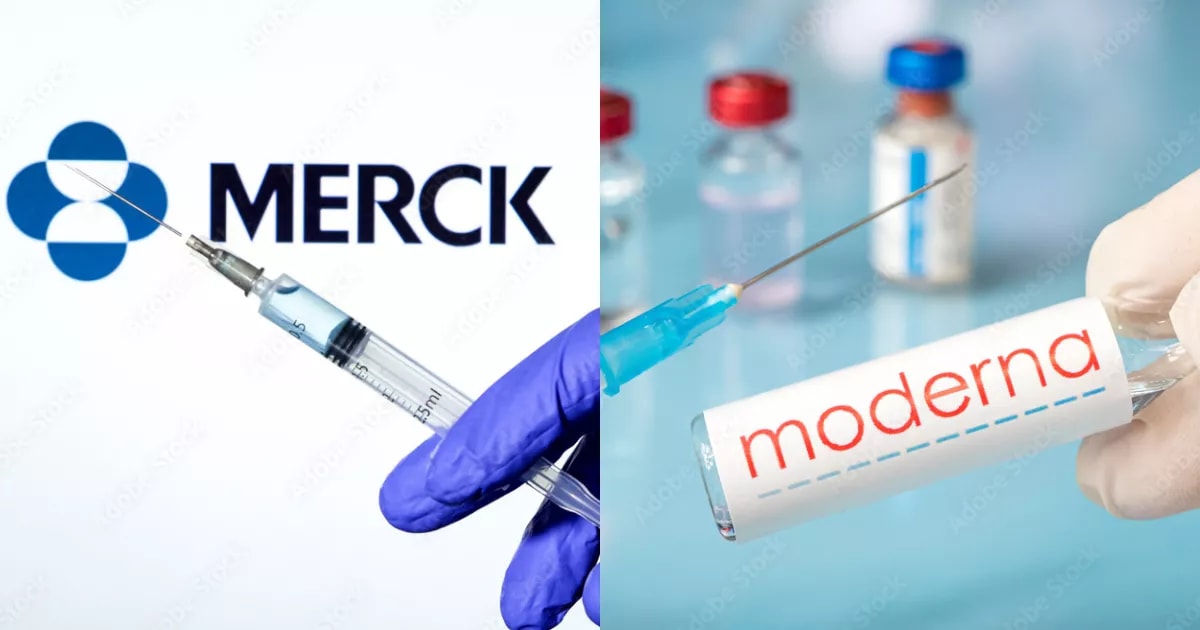
Moderna and Merck announced that their experimental mRNA cancer vaccine, called Intismeran, successfully reduced the risk of melanoma returning or spreading in patients who had surgery to remove their tumors. The interim results from a late-stage trial represent the first positive large-scale test of an mRNA cancer vaccine, offering new hope to patients with one of the most dangerous forms of skin cancer.
The vaccine works by teaching each patient's immune system to recognize and attack their specific cancer cells. Unlike traditional vaccines that prevent disease, this personalized treatment targets mutations unique to each person's tumor, essentially creating a custom defense system against cancer.
Thousands of patients who have had high-risk melanoma surgically removed could benefit from the treatment as early as next year if regulators approve it, according to Moderna President Stephen Hoge. The vaccine was tested alongside Merck's immunotherapy drug Keytruda, and together they met both primary goals of the trial: reducing cancer recurrence and preventing tumors from spreading.
The success extends beyond melanoma. Scientists are now investigating similar mRNA approaches for lung, breast, and pancreatic cancers. Previous studies in mice and analyses of cancer patient records had suggested the technology could work, but this trial provides the first solid proof in a large human study.
The Ripple Effect
This breakthrough couldn't come at a better time for Moderna. After facing pressure when U.S. Health Secretary Robert F. Kennedy Jr. cancelled funding for mRNA respiratory virus vaccines in 2025, the company's stock had become one of the most heavily shorted on Wall Street.
The melanoma results changed everything. Moderna's shares surged 160% following the announcement, transforming the Massachusetts-based company into one of the best performers in the S&P 500 index. The turnaround shows how innovation can overcome setbacks when scientists stay focused on solving real problems.
The companies are already in talks with regulators about approval. Detailed findings will be presented at an upcoming medical meeting, giving the cancer research community a chance to examine exactly how well the treatment performed.
For cancer patients and their families, the message is clear: the same rapid-response technology that helped billions during the pandemic is now being harnessed to give people fighting cancer a better chance at staying healthy after treatment.
#
Based on reporting by Google News - Vaccine Success
This story was written by BrightWire based on verified news reports.
Spread the positivity!
Share this good news with someone who needs it